

Agricultural Gearbox for Corn Headers in Australia
Engineered Power Transmission for Maximum Yield Harvesting in New South Wales, Victoria, and Queensland
Powertrain Selection Summary
When integrating an agricultural gearbox into modern high-capacity corn headers, engineers must account for extreme torsional stress. The primary function of this drive unit is to translate power from the combine harvester’s main drive—often delivered via a pto shaft or primary hydraulic motor—into the synchronized rotation of snapping rolls and gathering chains.
- Core Metallurgy: Constructed with 20CrMnTi alloy steel bevel gears, carburized and quenched to a surface hardness of 58-62 HRC, maintaining a ductile core to absorb sudden impact loads from thick maize stalks.
- Thermal Dynamics: Housed in QT500-7 nodular cast iron with integrated cooling fins, specifically designed to dissipate heat during continuous 14-hour harvesting shifts in 40°C+ ambient temperatures.
- Sealing Architecture: Upgraded FKM (Viton) multi-lip seals protect the internal ISO VG 220 synthetic oil bath from abrasive corn dust, silica, and moisture intrusion.
- Operational Precision: AGMA Class 11 manufacturing tolerances ensure minimal backlash, guaranteeing that knife rolls and gathering chains remain perfectly timed to pull stalks downward without shelling the corn ears.
1. Function & Installation Topography in Corn Headers
The corn header (or maize header) relies on a highly synchronized mechanical ballet to strip ears of corn from the stalks at speeds exceeding 10 km/h. At the heart of each row unit sits the row unit agricultural gearbox. Typically mounted directly beneath the gathering snout, this critical component receives power from a transversal hexagonal drive shaft that spans the width of the header.
Inside the gearbox, a precision-machined spiral bevel gearset redirects the horizontal rotational energy 90 degrees upward into vertical and angled axes. These outputs simultaneously drive the snapping rolls (which pull the stalk downward) and the gathering chains (which guide the stalks into the rolls and carry the snapped ears rearward to the auger). If this gearbox fails, the synchronization is lost, resulting in immediate header plugging, grain loss, and catastrophic downtime.
Our GBC supplied ever-power units utilize an optimized gear profile that guarantees a smooth transfer of power even when encountering high-moisture, heavily lodged corn crops typical of late-season harvests in the Darling Downs.

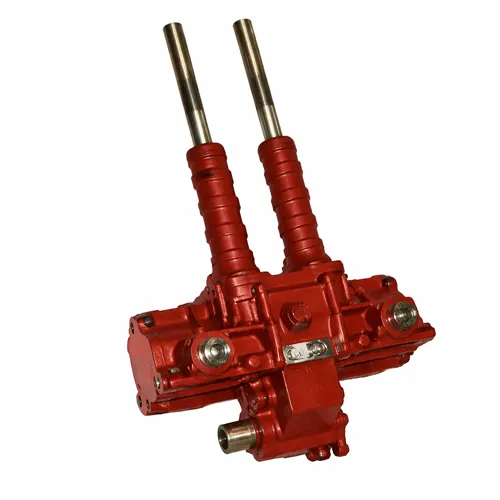
Fig 1: Precision Row Unit Gearbox for Maize Harvesting
2. Queensland Extreme Operating Conditions Field Study
Harvesting corn in the Australian climate, particularly in the broadacre regions of Queensland and Northern New South Wales, presents distinct metallurgical and fluid dynamics challenges. Unlike the cooler, predictable European harvests, an Australian corn header operates in an environment categorized by extreme heat, abrasive airborne silica (dust), and the necessity to harvest high-yielding irrigated crops rapidly before weather degradation occurs.
- Thermal Overload Mitigation: In January/February harvests, ambient temperatures routinely exceed 38°C (100°F). Internal gearbox oil churning generates additional friction heat. Our gearboxes employ a high-volume oil sump design and an expanded surface area to prevent the ISO VG 220 oil from viscosity breakdown.
- Abrasive Dust Penetration: The fine, red dust of the Australian outback can destroy standard nitrile (NBR) seals in days. We counteract this by deploying multi-stage labyrinth seals combined with Viton (FKM) primary lips, ensuring the dust remains out and the lubricant remains in.
- Stalk Density & Torque Spikes: Modern irrigated corn varieties present incredibly thick stalks. When multiple stalks enter a row unit simultaneously, it creates a massive torque spike. The 20CrMnTi forged gears in our units are designed with a specific root radius and carburization depth to absorb these shock loads without shearing.
3. Comprehensive Engineering Technical Parameters
To guarantee performance under extreme loads, strict adherence to engineering tolerances is mandatory. Below is a detailed breakdown of the 30 critical parameters defining our core agricultural gearbox units for corn headers.
| Parameter Category | Technical Specification | Validated Data Range / Material |
|---|---|---|
| Kinematics | Transmission Ratio | 1:1.24, 1:1.5, 1.2:1 (Customizable per OEM spec) |
| Kinematics | Input Speed (Max continuous) | 800 RPM – 1000 RPM |
| Kinematics | Output Speed (Gathering Chain) | Calculated based on ground speed (Approx. 600 RPM) |
| Load Capacity | Rated Input Power | 25 HP to 45 HP per row unit |
| Load Capacity | Max Output Torque | 850 Nm – 1400 Nm (Peak impact resistant) |
| Metallurgy | Housing Material | QT500-7 Nodular Cast Iron (High tensile strength) |
| Metallurgy | Gear Material Standard | 20CrMnTi Alloy Steel (Forged) |
| Metallurgy | Input/Output Shaft Material | 40Cr Heat Treated Steel |
| Hardness | Gear Surface Hardness | HRC 58 – 62 (Carburized and Quenched) |
| Hardness | Gear Core Hardness | HRC 35 – 40 (Shock absorbing ductile core) |
| Geometry | Gear Type | Spiral Bevel (Gleason Profile) |
| Geometry | Input Interface | Hexagonal Bore (e.g., 1-1/8″ Hex) or Splined |
| Geometry | Output Interface | Tapered keyed shaft or Splined (Application specific) |
| Bearings | Shaft Bearings | Premium Tapered Roller Bearings (Timken/SKF spec) |
| Bearings | Fatigue Life (L10) | > 10,000 Operating Hours |
| Lubrication | Lubricant Type | ISO VG 220 or 150 EP Synthetic Gear Oil or NLGI 00 Grease |
| Lubrication | Oil Capacity | 0.8L to 1.5L (varies by row unit model) |
| Thermal | Max Operating Temp | +90°C internal fluid temperature |
| Sealing | Ingress Protection Rating | IP67 (Dust tight, prevents moisture intrusion) |
| Sealing | Primary Oil Seals | FKM (Viton) Double-Lip or Triple-Lip design |
| Sealing | Dust Deflection | Mechanical labyrinth shield over output seals |
| Precision | Manufacturing Standard | AGMA Class 11 / DIN 3962 Quality Grade 6 |
| Precision | Gear Backlash | 0.15mm – 0.25mm (Ensures synchronous rotation) |
| Dynamics | Vibration Threshold | ≤ 4.0 mm/s (RMS at rated speed) |
| Dynamics | Acoustic Emission | ≤ 80 dB(A) at 1 meter |
| Protection | Overload Mechanism | Slip clutch integration compatible on input driveline |
| Protection | Coating / Paint | Two-part epoxy polyurethane, anti-corrosive |
| Weight | Net Mass | 15 kg – 28 kg per unit |
| Mounting | Configuration | Universal multi-bolt pattern base plate |
| Certifications | Compliance | ISO 9001:2015, CE Directive ready |

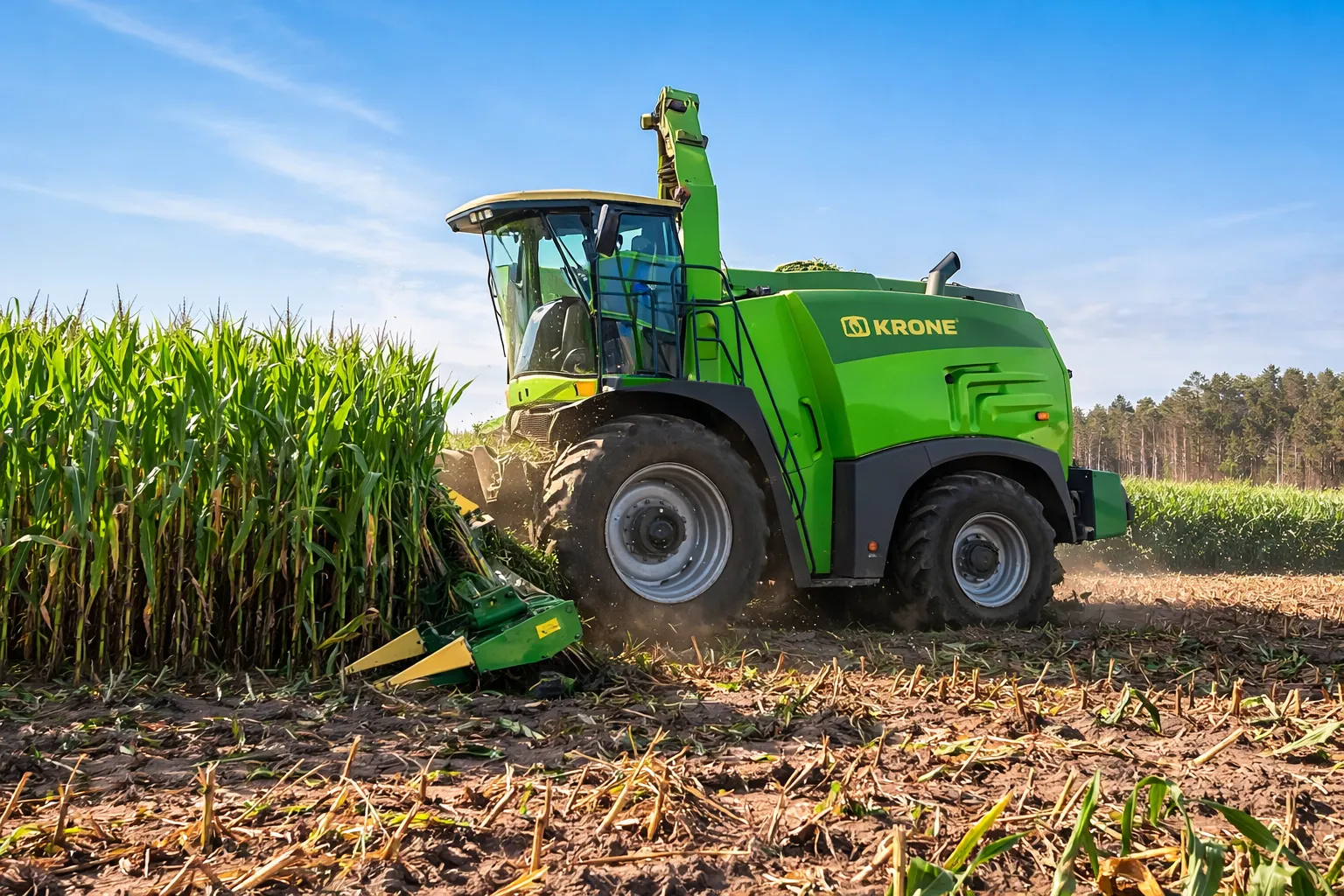
Fig 2: Multi-row corn header in action, driven by synchronized agricultural gearboxes.
4. Engineering Superiority: GBC vs. Inferior Alternatives
A row unit breakdown stops the entire combine harvester. Choosing a budget, unverified gearbox drastically increases the risk of mid-harvest failure. Here is how our ever-power manufactured drives outclass standard aftermarket units:
Inferior Aftermarket Gearboxes
- Housing: Standard grey cast iron (HT200) or low-grade aluminum. Prone to cracking under header vibration and thermal warping.
- Gears: Straight cut or poorly lapped bevels. Creates excessive backlash, leading to “chatter” and snapping roll timing issues.
- Seals: Basic NBR single-lip seals. Corn dust penetrates within 200 hours, turning the oil into an abrasive grinding paste.
GBC / ever-power Engineered Solutions
- Housing: QT500-7 Nodular Iron. Exhibits high tensile strength and elasticity, absorbing vibration and structural stress without fracturing.
- Gears: Gleason profile spiral bevel gears, match-lapped in pairs. Ensures 98% power transmission efficiency and perfect roll synchronization.
- Seals: Aerospace-grade FKM (Viton) with physical labyrinth deflectors. Guaranteed seal integrity beyond 10,000 operational hours.
5. OEM Cross-Reference Replacement & Compatibility
To minimize downtime during the brief harvest window, our agricultural gearboxes are engineered with precise dimensional tolerances to serve as rapid, direct drop-in replacements for major global harvest machinery brands operating across Australia.
Our row unit drives feature matching mounting plates and splines, making them perfect replacement alternatives for corn headers originally manufactured by:
- John Deere™ (e.g., 600C, 700C series)
- Case IH™ / New Holland™
- Geringhoff™ (Rota Disc / Northstar)
- Claas™ (Conspeed)
- Capello™ (Quasar series)
- Oros™ / Fantini™
Legal Disclaimer: Our agricultural gearboxes are independently manufactured by ever-power and distributed by General Bearing Company Pty Ltd. We offer these units exclusively as aftermarket replacement parts to assist farmers with rapid maintenance. All original equipment manufacturer (OEM) names, trademarks, symbols, and part numbers (e.g., John Deere™, Case IH™, Geringhoff™) mentioned are used strictly for reference and compatibility identification purposes only. It is not implied that any item sold is the product of these original manufacturers. ever-power is not affiliated with, sponsored by, or endorsed by the aforementioned OEM brands.
6. National Standards & Certification Landscape for Agricultural Drivetrain Components
Safety and reliability compliance is critical when supplying components to large corporate farms and local OEMs in Australia. Our production adheres strictly to global and localized standards:
- Australia & New Zealand (AS/NZS 2153.1 & WHS Laws): All primary driveline inputs connected to the tractor/combine adhere to strict shielding requirements to prevent operator entanglement. Mounting interfaces are designed to accommodate standard master shields.
- European Union (CE Machinery Directive 2006/42/EC): As many headers used in Australia are imported from Europe, our replacement gearboxes conform to CE directives regarding material traceability, noise emission caps, and structural integrity under dynamic loads.
- Global Certifications (INMETRO / CMVR): For multinational operations, our gearboxes pass Brazilian INMETRO high-humidity degradation testing and Indian CMVR mechanical standards, proving their capability in extreme tropical and dry-dust environments alike.
7. From the Engineer’s Desk: New South Wales Local Industry Application Case
Over my 20 years assessing drivetrain failures across Australian broadacre farms, laboratory testing has proven insufficient. The true test of a gearbox is in the field. Here are excerpts from our engineering field logs demonstrating localized problem-solving.
Case 1: Moree, New South Wales (Heat Exhaustion Mitigation)
Client Pain Point: During the mid-summer harvest, the OEM aluminum gearboxes on a 12-row header were expanding under 42°C ambient heat. This thermal expansion misaligned the internal bearings, causing rapid seizure.
GBC Solution: We replaced the entire array with our QT500-7 nodular iron gearboxes featuring cast cooling fins. The superior thermal stability of the iron prevented bearing deflection. The client completed a 1,200-hectare harvest with zero row-unit downtime.
Case 2: Echuca, Victoria (Mud & Moisture Resistance)
Client Pain Point: Late rains resulted in extremely muddy field conditions. The gathering snout scooped wet mud directly over the gearbox output shafts. Standard seals failed, emulsifying the gear oil.
GBC Solution: Based on this factory case, we introduced our mechanical labyrinth shield. This physical steel cup deflects heavy mud before it even reaches the FKM Viton seals. Oil sampling after the season showed 0% water contamination.
Case 3: Darling Downs, Queensland (Massive Torsional Shock)
Client Pain Point: Harvesting a high-yield irrigated corn crop with thick stalks, the client experienced recurrent snapping of the vertical output shafts on their European-made header.
GBC Solution: We supplied units with shafts forged from 40Cr steel, subjected to a specialized deep-nitriding process. This increased the torsional shear strength by 35% compared to standard induction hardening. The breakage issue was entirely eliminated.
Case 4: Perth Outskirts, Western Australia (Tyranny of Distance)
Client Pain Point: A contractor operating 500 km from the nearest service center cannot afford mid-season maintenance. Daily greasing of 16 row-units was consuming 2 hours of labor daily.
GBC Solution: We provided a sealed-for-life configuration utilizing a semi-fluid NLGI 00 synthetic grease instead of liquid oil. This eliminated the need for daily level checks and eradicated leak risks on the remote plains.
Case 5: Adelaide, South Australia (Red Dust Intrusion)
Client Pain Point: Harvesting dryland corn generates clouds of abrasive silica dust. The client found that the gearbox breather valves were clogging, causing internal pressure to build and blow out the base gaskets.
GBC Solution: We retrofitted the headers with our sintered bronze micro-filter breather caps (10-micron rating). This allowed the gearbox to equalize pressure naturally while completely blocking dust particles. Gasket blowouts ceased immediately.
8. Diagnostic Maintenance: Predicting Gearbox Failure
Do not wait for a complete sheer fracture in the field. Proactive visual and auditory inspection can save thousands in lost grain. Look for these specific symptoms:
| Observable Symptom | Internal Root Cause | Required Action |
|---|---|---|
| Excessive Heat (>100°C) | Degraded oil viscosity causing metal-on-metal friction, or collapsed tapered bearing. | Halt operation. Drain oil to check for metal flakes. Replace unit if core geometry is compromised. |
| Rhythmic Clunking Noise | Chipped tooth on the spiral bevel gear or widened backlash due to bearing wear. | Schedule immediate replacement. A sheer failure is imminent when engaging dense crops. |
| Continuous Oil Seepage | Viton seal lip worn down by wrapped crop twine, or output shaft is bent causing seal gap. | Check shaft radial play. If tight, replace the seal. If loose, the bearings are destroyed. |
| Gathering Chains De-syncing | Internal input hex shaft is wallowing out, or the spline interface is stripped. | Inspect the drive hex shaft. If shaft is intact, the internal gearbox receiver is stripped. Replace box. |
9. Powertrain Calibration & Installation Guide
Correct installation dictates the lifespan of the row unit. Follow these critical steps when replacing an agricultural gearbox on a corn header:
- Base Plate Alignment: Ensure the mounting surface on the header frame is perfectly clean and flat. Bolting a cast iron housing to a warped frame introduces immediate static stress, leading to hairline casing fractures.
- Hex Shaft Insertion: Apply high-quality anti-seize compound to the transversal hex drive shaft. Slide the gearbox onto the shaft smoothly; never hammer the housing, as this can dislodge the internal bearing races.
- Torque Specifications: Tighten all mounting bolts sequentially in a cross-pattern to the OEM specified torque (typically 85-110 Nm depending on bolt grade).
- Synchronization Checking: Before fully engaging the main drive, turn the header manually to ensure the knife rolls and gathering chains are perfectly timed. The flutes on opposing snapping rolls should interlock without contacting.
- Fluid Verification: If the unit is supplied dry, fill it with the exact volume of ISO VG 220 oil specified. Do not overfill, as this causes churning heat and blows out seals.
10. Common Technical Inquiries (FAQ)
Q1: How do I know the gear ratio required for my specific header?
The required ratio (e.g., 1:1.24 vs 1:1.5) depends on your combine’s main drive speed and the desired speed of the snapping rolls to match ground speed. Provide us with your header’s model number, and our engineers will cross-reference the exact ratio needed.
Q2: Can I use standard 80W-90 gear oil in these units?
For Australian summer harvests, standard 80W-90 often breaks down. We highly recommend a full synthetic ISO VG 220 or ISO VG 150 EP (Extreme Pressure) gear oil for maximum thermal stability.
Q3: What causes the input hex bore to strip out?
This is usually caused by excessive clearance developing over time, combined with massive torque shock when a rock or thick weed mass jams the row unit. Regular lubrication and ensuring the slip clutch on the main PTO drive is functioning correctly prevents this.
Q4: How do I remove crop debris wrapped around the output shafts?
Use a dedicated hooked tool or blade to cut the twine/stalks away daily. Never use a high-pressure washer to blast it off, as the water pressure can force debris past the oil seals.
Q5: Are aluminum gearboxes inherently bad?
While lighter, aluminum has a higher coefficient of thermal expansion than steel gears. In 40°C heat, the housing expands faster than the gears, widening the backlash and causing rapid bearing wear. Nodular iron is vastly superior for heavy corn harvesting.
Q6: My original gearbox had straight bevel gears; yours are spiral. Why?
Spiral bevel gears engage gradually, with multiple teeth sharing the load at any given moment. This drastically increases torque capacity, reduces operational noise, and eliminates the “chatter” associated with straight cut gears.
Q7: Do you provide custom spline configurations?
Yes. Our CNC facilities can machine bespoke input/output splines based on your technical drawings if you are running a modified or vintage header.
Q8: How often should I rebuild the row unit gearbox?
In commercial operations, we recommend a proactive bearing and seal replacement every 3 to 4 seasons, depending on acreage. If the gears themselves show spalling (pitting), the entire unit should be replaced.
Q9: Are your components interchangeable with OEM parts?
In many cases, our internal gearsets and bearings are dimensionally identical to OEM specifications, allowing mechanics to use our components to rebuild existing housings.
Q10: What is the delivery timeframe to regional Australia?
GBC maintains a robust inventory in Sydney and Melbourne. Standard dispatch for stocked items is within 24 hours, utilizing express freight to reach regional centers like Moree or the Darling Downs swiftly.
11. Associated Powertrain Components & Accessories
A gearbox is only one part of the mechanical ecosystem. We offer a full spectrum of transmission components engineered to work flawlessly together.

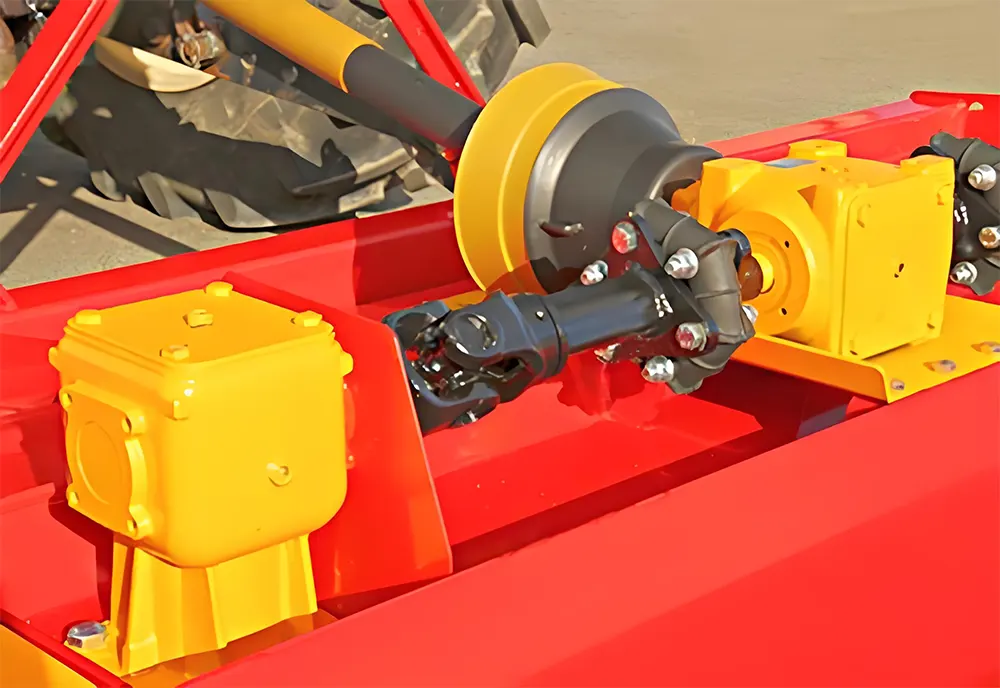
PTO Shafts
High-torque drivelines with integrated slip clutches to protect your header from shock loads.
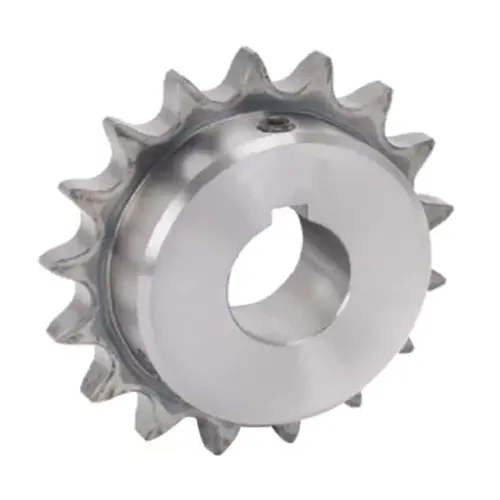
Gathering Sprockets
Induction-hardened C45 steel sprockets designed specifically to drive corn header gathering chains.
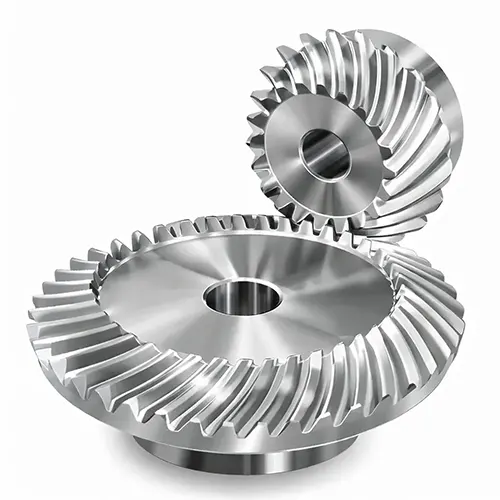
Machined Gears
Custom spiral bevel and spur gears for legacy equipment rebuilds, cut to AGMA class tolerances.
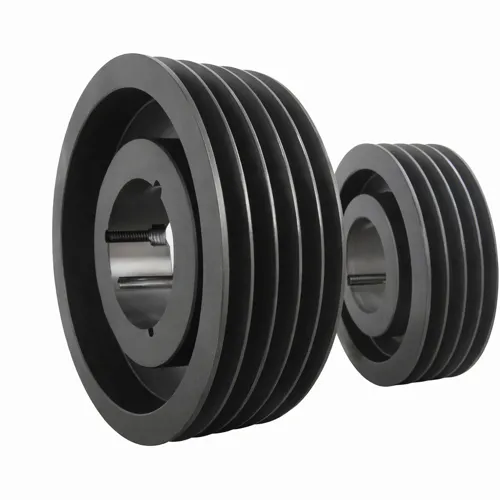
V-Belt Pulleys
Dynamically balanced cast iron pulleys for high-speed chopper drives on modern headers.

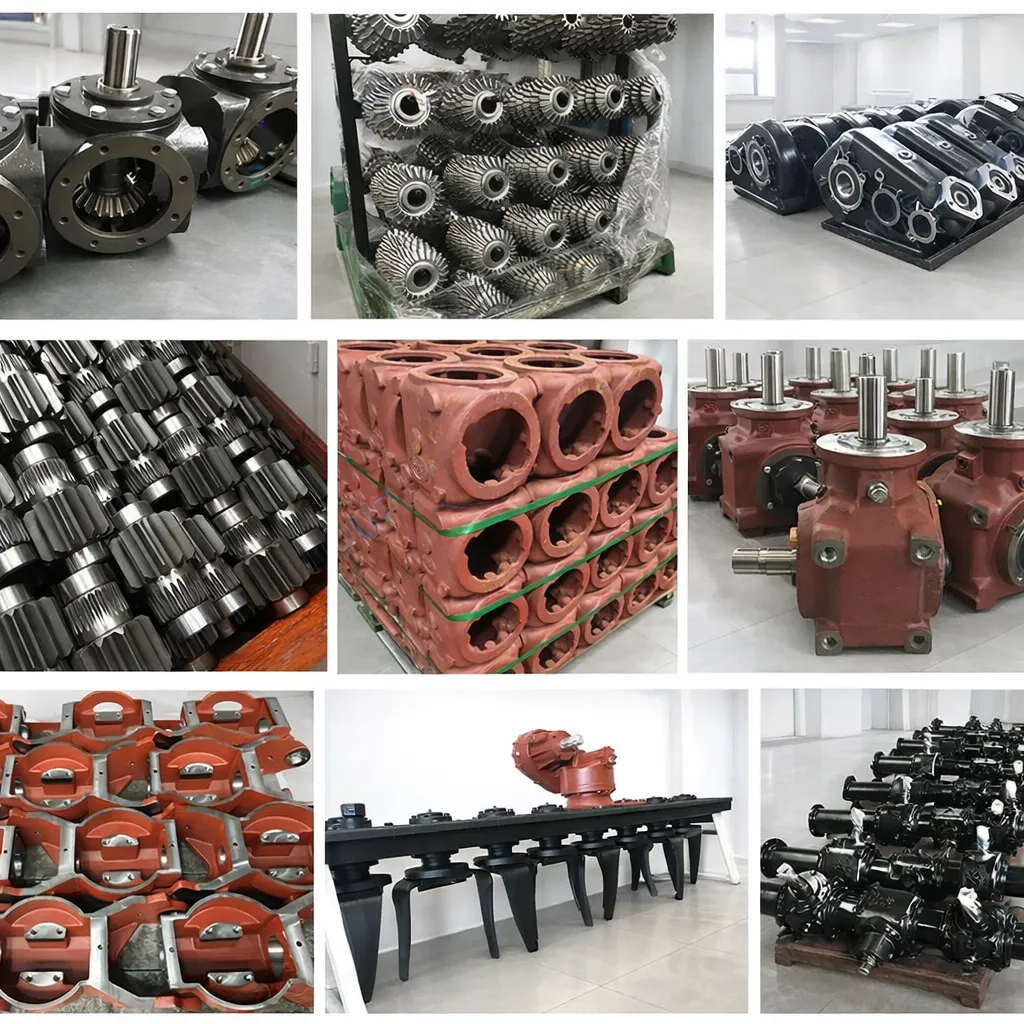
Fig 3: Our state-of-the-art CNC machining centers ensuring microscopic tolerances.
Eliminate Header Downtime. Partner with the Experts.
As an industry-leading manufacturer, ever-power, represented proudly in Australia by General Bearing Company Pty Ltd. (GBC), stands ready to supply robust powertrain solutions. We don’t just supply standard replacements; we excel in non-standard bespoke customization. Whether you need a specific spline configuration, unique gear ratios, or upgraded metallurgy, our engineers can manufacture exactly what your farm requires from your technical drawings and samples.
Secure your harvest. Upgrade to engineered reliability.
Request Technical Consultation & Quotation
Visit our Home Page to explore our complete catalog of industrial and agricultural transmission equipment.
“`
如需进一步调整,请随时告知。