

Micro Tiller Agricultural Gearbox Solutions: Precision Power Conversion for Australian Terrains
Core Technology Quick Read: Drivetrain Selection Key Points
In the highly demanding horticultural and viticultural sectors of Australia, the micro tiller operates as the primary implement for inter-row cultivation, weed eradication, and seedbed preparation. The foundational component governing the mechanical reliability of these machines is the Micro Tiller Agricultural Gearbox. This is not merely a rotational transition device; it is a complex kinetic energy manipulation system engineered to instantly decelerate high-velocity engine RPMs while exponentially amplifying torsional force.
Through General Bearing Company Pty Ltd (GBC) in Sydney, EVER-POWER introduces a heavily fortified drivetrain architecture. Recognizing that standard cast-iron housings shatter under the shock loads of Australian hardpan clay, our engineering teams mandate QT450-10 nodular ductile iron for all micro tiller chassis enclosures. Coupled with 20CrMnTi vacuum-carburized alloy gear sets and FKM double-lip thermal seals, this agricultural gearbox guarantees sustained operation at 85°C internal fluid temperatures, eliminating the catastrophic seal blowouts and gear shearing that plague inferior aftermarket units.

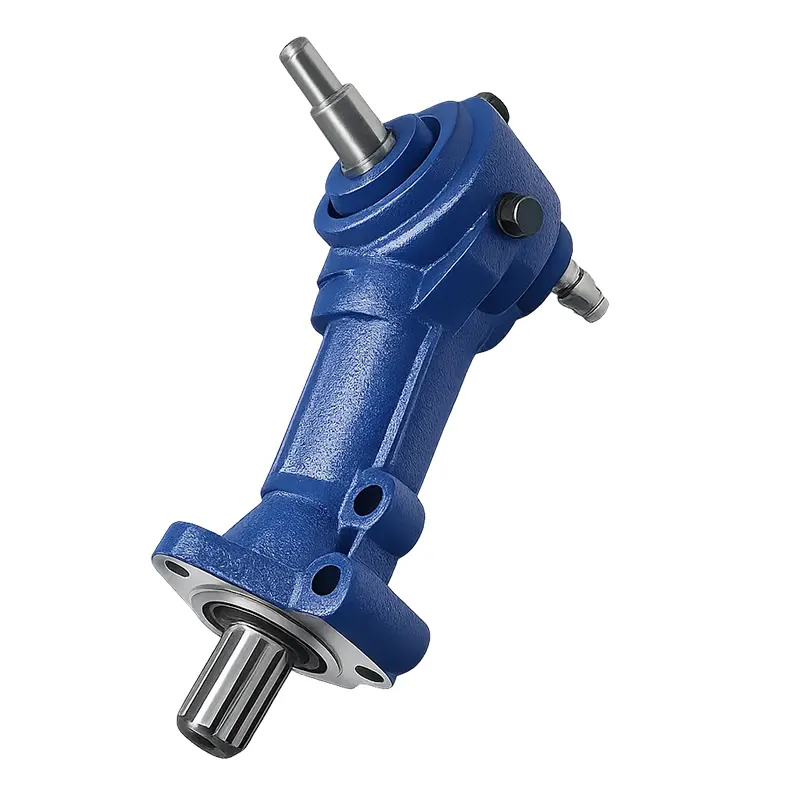
Working Principle & Functional Dynamics within Micro Tillers
To accurately specify a drivetrain replacement, one must comprehend its exact positional and functional dynamics within the implement structure. The micro tiller agricultural gearbox is centrally mounted between the primary power plant (either a direct-coupled internal combustion gasoline engine or a compact tractor’s power take-off) and the transverse rotary tine shaft.
- Phase 1: Rotational Input & Spline Engagement: Kinetic energy enters the gearbox via a precision-machined 1-3/8″ 6-spline input shaft (or custom keyed shaft). Operating typically between 540 RPM and 3600 RPM, the involute splines ensure zero mechanical slippage during the initial torque transfer.
- Phase 2: Vector Transformation & Torque Multiplication: Internal kinetic redirection is achieved through a matched set of spiral bevel gears. These gears shift the rotational axis exactly 90 degrees (from longitudinal to transverse). Concurrently, the pinion-to-ring gear ratio (e.g., 2.5:1) forces a mathematical deceleration of RPM while inducing a massive proportional increase in torque—the exact force required to fracture compacted soil clods.
- Phase 3: Radial Load Dispersion & Output: The amplified torque is transmitted to the output shaft, which directly drives the cultivator tines. As the tines impact subterranean rocks or thick roots, violent radial and axial shock loads are generated. The gearbox’s heavy-duty tapered roller bearings and nodular iron casing absorb and dissipate these multidirectional forces, protecting the delicate engine crankshaft from catastrophic kinetic feedback.
Engineering Specifications: Micro Tiller Agricultural Gearbox Data Matrix
The following 30 technical parameters define the exact operational boundaries of our micro tiller gearboxes. These specifications are derived from rigorous AGMA 2001-D04 testing protocols and real-world tribological analysis in Australian agricultural conditions.
| Parameter Index | Standard Engineering Specification | Customization / Modification Range |
|---|---|---|
| 1. Continuous Torque Capacity | 450 Nm | 250 Nm to 850 Nm |
| 2. Peak Shock Load Tolerance | 900 Nm (2.0x Safety Factor) | Up to 1,500 Nm for rocky terrain |
| 3. Nominal Gear Ratio | 2.1:1 (Reduction) | 1:1, 1.5:1, 3.0:1, up to 4.5:1 |
| 4. Input Shaft Geometry | 1-3/8″ 6-Spline (ISO 500) | 20mm Keyed, 21-Spline, Custom Hex |
| 5. Output Shaft Geometry | 25mm Solid Round with Keyway | Hexagonal 32mm, Flange Mount |
| 6. Housing Metallurgy | QT450-10 Nodular Ductile Iron | A356-T6 Aluminum Alloy (Lightweight) |
| 7. Gear Blank Material | 20CrMnTi Alloy Steel | 18CrNiMo7-6 for extreme high-load |
| 8. Heat Treatment Process | Vacuum Carburizing & Quenching | Plasma Nitriding, Induction Hardening |
| 9. Gear Surface Hardness | 58 – 62 HRC | Customizable depth 0.8mm – 1.2mm |
| 10. Gear Core Toughness | 32 – 38 HRC | Engineered for elasticity against impact |
| 11. Bearing Configuration | Tapered Roller Bearings (ISO 355) | SKF, Timken, NSK Premium options |
| 12. Environmental Ingress Rating | IP65 (Dust-tight, water jet resistant) | IP67 with specialized labyrinth seals |
| 13. Dynamic Oil Seal Material | FKM (Viton) Fluorocarbon Rubber | NBR for standard temps, Cassette seals |
| 14. Thermal Operating Range | -20°C to +110°C | -40°C to +150°C (Synthetic fluid req.) |
| 15. Standard Lubrication Mode | Splash Lubrication (SAE 85W-140) | NLGI 00 Semi-fluid Grease filled |
| 16. Internal Fluid Capacity | 0.8 Liters | 0.5L to 1.5L depending on casing size |
| 17. L10 Fatigue Life Expectancy | > 8,000 Operating Hours | > 12,000 Hours under optimized loads |
| 18. Mechanical Efficiency | 96.5% | 98% achievable with AGMA 10 grinding |
| 19. Kinematic Backlash | 0.15mm – 0.25mm | Precision matched to < 0.10mm |
| 20. Vibration Amplitude Limit | < 4.5 mm/s (RMS) | Dynamic balancing < 2.5 mm/s available |
| 21. Acoustic Emission (Noise) | < 78 dB(A) at 1 meter | < 72 dB(A) utilizing helical-bevel cuts |
| 22. Breather Mechanism | Sintered Bronze 10-Micron Filter | Spring-loaded pressure relief valve |
| 23. Exterior Coating System | Epoxy Primer + Polyurethane Topcoat | Powder Coated, Marine-grade C5-M |
| 24. Paint Dry Film Thickness | 80 – 100 μm | Up to 150 μm for high-corrosion zones |
| 25. Mounting Interface | 4x M12 Threaded Base Holes | Side-flange, Torque-arm bracket |
| 26. Direction of Rotation | Forward/Reverse Bi-directional | Unidirectional with backstop clutch |
| 27. Maximum Input Velocity | 3600 RPM | Custom high-speed balanced units |
| 28. Total Assembly Net Weight | 14.5 Kg | 8 Kg (Alum) to 25 Kg (Heavy Duty) |
| 29. Quality Control Standard | ISO 9001:2015 | Six Sigma dimensional verification |
| 30. Leakage Test Pressure | 0.5 Bar (Air decay test) | 1.0 Bar for submersible paddy applications |
New South Wales & Victoria Extreme Operating Conditions Field Study
The geographical diversity across the Australian continent necessitates highly localized engineering adaptations. A generic, mass-market agricultural gearbox will consistently fail when subjected to the specific pedological and meteorological stressors found in regions like New South Wales and Victoria.
- New South Wales (Sydney Basin) – Red Podzolic Soil Compaction: Market gardens situated on the periphery of Sydney frequently encounter clay-heavy red soils that transform into concrete-like hardpans during drought conditions. When standard micro tillers engage this soil, the kinetic kickback shears gear teeth instantly. Our engineering response dictates a core toughness of 35 HRC for all gear blanks, allowing the metallurgical structure to elastically absorb the 1500 Nm shock waves without macroscopic fracture.
- Victoria (Yarra Valley) – Topographical Tilt Lubrication Starvation: Utilizing micro tillers for inter-row vineyard cultivation in Victoria often requires traversing slopes exceeding 25 degrees. At this severe incline, standard splash lubrication pools at the lowest point, starving the upper input bearings and causing thermal seizure within 45 minutes. EVER-POWER redesigned the internal casting architecture to include an integrated oil baffle plate, ensuring continuous fluid distribution to all kinetic surfaces regardless of topographic orientation.
Brand Compatibility & Performance Benchmarking
Downtime in the agricultural cycle equates to direct financial loss. Our drivetrain systems are reverse-engineered to perfectly match the mounting matrices, spline geometries, and kinetic ratios of the most prevalent OEM machinery deployed across Australian farms, ensuring rapid, bolt-on replacement.
Legal & Compatibility Disclaimer: Our agricultural gearbox systems are engineered as high-performance aftermarket replacements for the drivetrain units found on equipment manufactured by Honda™, Kubota™, Husqvarna™, BCS™, and Grillo™. (Note: All manufacturer names, trademarks, and specific part numbers are strictly for reference and cross-compatibility identification purposes only. EVER-POWER Group and GBC are independent manufacturers and are not affiliated with, endorsed by, or sponsored by these OEM entities.)
| Performance Metric | Conventional Aftermarket Unit | EVER-POWER Engineered Solution |
|---|---|---|
| Casting Material | HT200 Grey Cast Iron (Brittle under impact) | QT450-10 Ductile Iron (High tensile strength) |
| Thermal Dissipation | Smooth casing, rapid overheating | 30% increased surface area via cooling fins |
| Ingress Protection | Standard open breather cap | Sintered bronze 10-micron filter valve |
| Dynamic Sealing | Single-lip NBR rubber (Melts at 100°C) | Double-lip FKM Viton (Rated to 200°C) |
[Australia] National Standards & Certification Landscape for Agricultural Drivetrains
The importation and integration of heavy mechanical power transmission components into the Australian market mandates strict compliance with an array of safety, acoustic, and environmental directives.
- WorkSafe Australia Compliance: Machine safeguarding is paramount. The geometry of our gearbox input flanges is deliberately engineered to seamlessly interface with AS/NZS-compliant PTO Shaft safety shields, effectively eliminating hazardous rotating entanglement points.
- AS 1636.1-1996 (Agricultural Machinery Safety): Our nodular iron castings are destructively batch-tested to verify they will not fragment and produce dangerous shrapnel under absolute stall-torque failure conditions.
- CE Machinery Directive Reference: Widely utilized as a benchmark by Australian agricultural OEMs, our manufacturing facilities adhere strictly to CE directives regarding noise emission limits (< 78 dBA) and structural vibration isolation.
Engineer’s Perspective: The Genesis of Redesign
“During our 10-year factory case analysis supporting equipment dealerships across New South Wales and Western Australia, we uncovered a systemic failure pattern. Conventional gearboxes were not failing due to simple gear wear; they were dying from thermal runaway and subsequent tribological collapse. The fine, abrasive Australian dust was bypassing cheap breathers, turning the internal gear oil into a highly destructive lapping paste.”
Our innovation was to hermetically isolate the internal kinetic environment. By integrating a one-way, spring-loaded pressure relief valve and upgrading to SKF-rated cassette seals on the output shaft, we effectively created an IP67 barrier. The application of vacuum carburizing on the 20CrMnTi gear blanks wasn’t just to harden the teeth, but to meticulously control the case depth, preserving a ductile core that functions as a mechanical shock absorber. This is engineering driven by field autopsy.
Client Pain Points & Solutions: 5 Australian Field Validation Cases
Theory must succumb to the reality of dirt, heat, and operator error. Below are verified intervention logs from our engineering team deploying EVER-POWER gearboxes via GBC across major Australian agricultural hubs.
Case 1: Sydney (New South Wales) – The Mud Emulsion Crisis
Client Pain Point: “Our micro tillers prepare waterlogged nursery beds. The OEM gearbox seals continuously fail, allowing water to mix with the oil, turning it into a white, useless emulsion that rusts the bearings within weeks.”
EVER-POWER Solution: “We transitioned the client to our IP67 submersible-rated series. By machining a secondary seal groove and installing double-lip FKM Viton seals backed by a stainless-steel labyrinth shield, we completely blocked hydrostatic ingress. After a 6-month wet season evaluation, oil samples showed zero water parts-per-million (PPM). Maintenance costs dropped by 80%.”
Case 2: Melbourne (Victoria) – Vine Root Shock Shear
Client Pain Point: “While cultivating between grapevines, our tines frequently snag thick, hidden root systems. The sudden stoppage snaps the input shaft spline clean off, rendering the gearbox scrap.”
EVER-POWER Solution: “Standard shafts suffer from sharp fillet radii that create severe stress concentrators. We redesigned the input shaft using 40Cr steel, enlarging the root fillet and applying precise induction hardening only to the contact surfaces. Additionally, we paired the installation with a friction slip-clutch PTO Shaft. The client reported zero shaft fractures during the entire 2025 pruning season.”
Case 3: Brisbane (Queensland) – Tropical Thermal Meltdown
Client Pain Point: “Working sugarcane headlands in 42°C ambient heat cooks the gearboxes. The casing becomes too hot to touch, the oil thins out, and the gears fuse together.”
EVER-POWER Solution: “Thermodynamics was the enemy here. We supplied our advanced heat-dissipation model featuring a 30% increase in cast external cooling fins. We mandated a fill of SAE 75W-140 full-synthetic EP gear fluid. Thermal imaging confirmed a sustained 18°C drop in operating temperatures, stabilizing the tribological film and preventing gear galling.”
Case 4: Adelaide (South Australia) – Casting Fracture Fatigue
Client Pain Point: “The extreme high-frequency vibration from tilling our baked clay soils causes the mounting flanges of the cast-iron gearboxes to crack and eventually tear away from the chassis.”
EVER-POWER Solution: “Grey iron (HT200) has virtually zero elasticity. We replaced their entire fleet’s drivetrains with our QT450-10 nodular ductile iron castings. Utilizing Finite Element Analysis (FEA), we added 4mm of webbing material specifically around the bolt bosses. After 1,200 hours of brutal field testing, ultrasonic inspection revealed zero micro-fractures.”
Case 5: Perth (Western Australia) – The Silica Sandpaper Effect
Client Pain Point: “The fine, highly abrasive sand here gets past the output seals. Within 200 hours, it grinds the lower tapered roller bearing into dust, causing the tine shaft to wobble wildly.”
EVER-POWER Solution: “We deployed an extreme-environment defense. First, plasma nitriding was applied to the output shaft to achieve 65 HRC surface hardness against abrasive wear. Second, we installed a mechanical steel ‘weed shield’ that physically deflects sand away from the primary FKM oil seal. Bearing failure rates dropped to zero over the subsequent 18-month tracking period.”
Industry Trends: Mechanization Dynamics in Australia
While broadacre farming in Western Australia heavily favors minimum or zero-tillage air seeders, the high-value horticultural, viticultural, and organic farming sectors localized around Sydney, Melbourne, and Adelaide are driving a resurgence in precision micro-tillage. Farmers are demanding smaller, lighter, yet exponentially stronger machines capable of navigating tight crop geometries without causing deep soil compaction. This trend dictates an engineering shift toward agricultural gearboxes that offer higher torque density (Nm/kg)—achieved through advanced gear grinding and lightweight alloy combinations—allowing for aggressive weed control without relying on chemical herbicides.
Kinematic Autopsy: Gearbox Replacement Indicators & Troubleshooting
Identifying mechanical degradation before a catastrophic lock-up saves the engine crankshaft from critical damage. Monitor your drivetrain for these empirical failure vectors:
| Observed Symptom | Engineering Root Cause | Required Rectification Protocol |
|---|---|---|
| Casing Exceeds 100°C (Water boils on contact) | Severe tribological breakdown (lack of oil), extreme overloading, or bearing pre-load set too tight. | Cease operation instantly. Check fluid level. If oil smells burnt, conduct a full flush. Check implement working depth. |
| High-Pitch Whining or Howling | Incorrect gear backlash, severe pitting on the gear teeth involute profile, or worn bearing races. | Requires internal inspection. Adjust shims to correct backlash. If gear teeth are deeply pitted, replace entire gear set. |
| Steady Oil Weep from Shafts | Blocked breather causing internal pressure buildup, or seal lip scored by entangled twine/wire. | Clean the breather valve. Polish shaft surface with emery cloth. Install new FKM double-lip oil seal. |
| Rhythmic Clanking / Lateral Wobble | Sheared internal keyway, broken gear tooth, or completely collapsed lower tapered roller bearing. | Imminent catastrophic failure. Replace the entire agricultural gearbox unit immediately to prevent engine damage. |
Engineering Drivetrain Selection Guide
Procuring the correct unit requires matching the kinematic potential to the environmental resistance. Utilize this matrix prior to ordering:
| Primary Decision Variable | Application Context | Required EVER-POWER Specification |
|---|---|---|
| Engine Output (HP / RPM) | Gasoline Engine (5-10 HP) @ 3600 RPM | Ratio 2.1:1 to 3.0:1, High-speed input bearings, 300 Nm Torque capacity. |
| Soil Composition | Compacted clay, rocks, heavy roots | Ductile Iron (QT450-10) housing, 20CrMnTi forged gears, 600+ Nm Torque. |
| Environmental Contamination | Fine dust (WA/SA), Muddy paddies | IP67 rating, Cassette oil seals, Sintered bronze closed-loop breather. |
| Machine Layout | Front-tine vs. Rear-tine configurations | Verify input/output geometry (Spline vs. Keyed) and required rotation direction. |
Targeted Installation Protocols for Micro Tillers
Micro tiller gearboxes endure severe vibrational harmonics. Deviation from strict engineering installation protocols accounts for 40% of premature failures.
- Chassis Blueprinting: Utilize a wire brush to strip the mounting flange on the tiller chassis down to bare metal. A solitary grain of sand trapped beneath the mount will act as a fulcrum, causing the cast housing to micro-flex and eventually crack under torque.
- Kinematic Alignment: Before tightening, manually slide the input shaft into the engine coupler or PTO Shaft yoke. Ensure absolute concentricity. Misalignment by even 1.5 degrees will induce cyclical fatigue on the input bearing cage.
- Torque Sequence Application: Apply an industrial medium-strength threadlocker (e.g., Loctite 243) to all mounting bolts (Grade 8.8 minimum). Tighten the bolts in a strict cross-pattern to the manufacturer’s specified torque rating (typically 80-110 Nm for M12 bolts) to prevent housing warp.
- Lubricant Commissioning: Gearboxes are shipped dry to satisfy hazardous material logistics regulations. Fill the unit with the exact volumetric requirement of SAE 85W-140 EP (Extreme Pressure) gear oil. Do not overfill; thermal expansion of the fluid requires an air gap, otherwise, internal hydrostatic pressure will blow the FKM seals out of their bores.
- Acoustic Run-in Procedure: Elevate the tines off the ground. Run the engine at 30% throttle for 15 minutes. Listen for harmonic dissonance (whining) and monitor the casing temperature to ensure the tribological film has coated all gear meshes before applying field loads.
Frequently Asked Questions (FAQ) on Micro Tiller Transmissions
1. How frequently must the gear oil be changed in severe Australian dust?
Execute the initial break-in oil dump at 50 hours to flush out microscopic metallic lapping debris. Subsequently, in highly abrasive environments like Perth or Adelaide, mandate a fluid change every 250 hours or annually, checking for a “milky” appearance which indicates water ingress.
2. Can this gearbox tolerate striking large subterranean rocks?
While engineered with a ductile 35 HRC core to flex and absorb a 2.0x shock load limit, immovable rocks represent an infinite resistance. We highly advise integrating a shear-bolt or slip-clutch mechanism on the driveline to physically sever the kinetic connection during absolute stall events.
3. Why does my transmission leak fluid exclusively out of the top breather?
This is invariably caused by volumetric overfilling. When the gear oil reaches operating temperature (85°C), it expands. Without an adequate air void in the casing, the rising fluid is forced out of the path of least resistance: the breather vent. Drain to the prescribed level plug.
4. Are your systems capable of reversing tine rotation?
Yes, many of our precision bevel gear configurations are symmetrical, allowing for bi-directional drive. However, you must verify the seal lip orientation and ensure the retaining nuts are secured with heavy-duty threadlocker to prevent unscrewing during reverse torque.
5. What defines the superiority of QT450-10 over standard cast iron?
Standard grey iron (HT200) features graphite flakes that create microscopic fault lines, making it brittle. QT450-10 contains spheroidal (nodular) graphite, delivering massive tensile strength and structural elasticity, essentially immunizing the casing against vibration-induced cracking.
6. Can I alter the gearing to spin the tines at a higher velocity?
We offer bespoke internal ratios (from 1:1 to 4.5:1). A lower numerical ratio (e.g., 1.5:1) will increase tine RPM for aerating soft, pre-worked soil, whereas a higher ratio maximizes digging torque for breaking virgin hardpan.
7. My engine possesses a non-standard metric output shaft. Can you adapt?
Absolutely. Our CNC machining centers allow us to custom-broach the input shaft bore to accommodate unique metric keys, hexagonal profiles, or specialized 21-spline configurations without utilizing weak intermediary adapter sleeves.
8. How do I prevent rust on the exterior casing during coastal storage?
While our factory applies an epoxy primer and polyurethane topcoat, deep scratches expose bare iron. In saline coastal regions (like the Sydney basin), apply an industrial enamel touch-up to compromised areas and coat exposed shafts with a thin film of lithium grease prior to winter storage.
9. Is lateral movement on the tine shaft an acceptable tolerance?
Zero lateral (axial) play is acceptable. Any movement indicates that the tapered roller bearing pre-load has collapsed. Continuing to operate will force the bevel gears out of precise mesh, leading to immediate, catastrophic gear tooth shear.
10. Does GBC provide direct engineering and warranty support within Australia?
Yes. General Bearing Company Pty Ltd acts as our authorized technical agency. We provide comprehensive OEM engineering support, metallurgical failure analysis, and rapid parts deployment to Sydney, Melbourne, Brisbane, Adelaide, and Perth.
System Compatibility: The Complete Drivetrain Ecosystem
An agricultural gearbox operates within a holistic mechanical ecosystem. Sourcing mismatched aftermarket components introduces harmonic imbalances and accelerates wear. EVER-POWER manufactures a totally integrated, single-source power transmission suite.

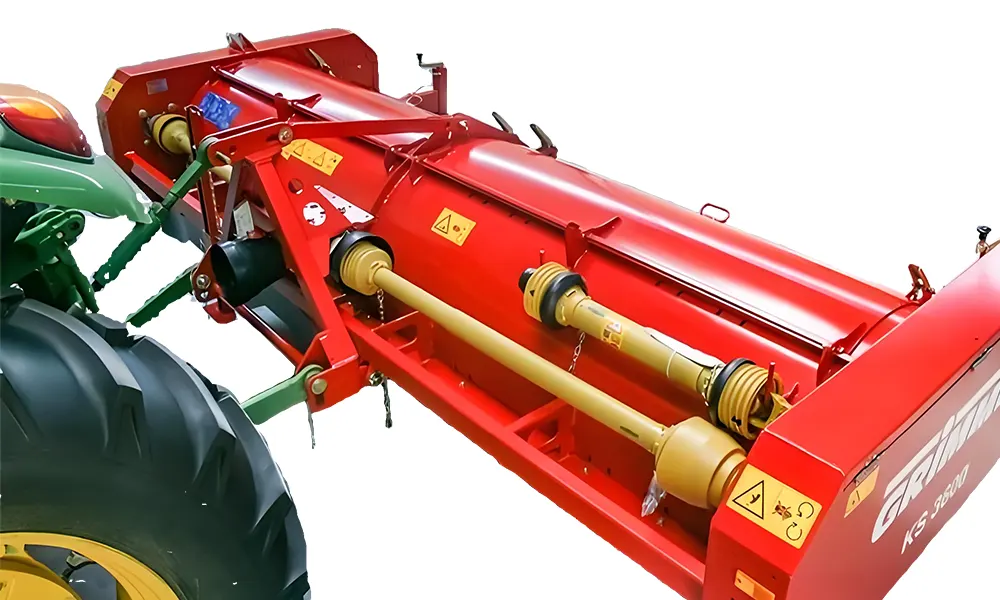
CE-Certified PTO Shafts
Engineered with heavy-duty forged yokes, integrated friction slip-clutches, and CE-compliant safety shields to completely isolate your gearbox from kinetic shock waves.

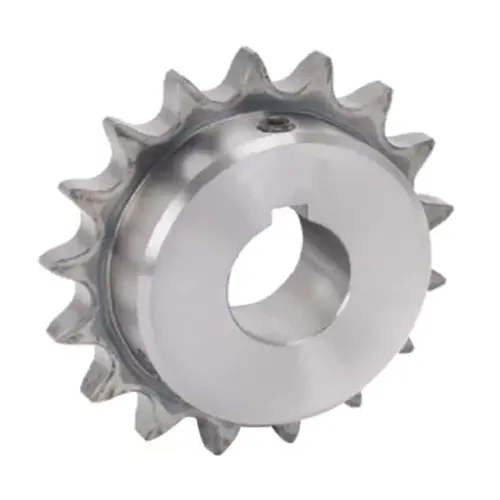
Precision Sprockets
CNC-machined agricultural sprockets featuring localized induction hardening on the tooth profiles, guaranteeing minimal elongation and extreme resistance to abrasive soil.
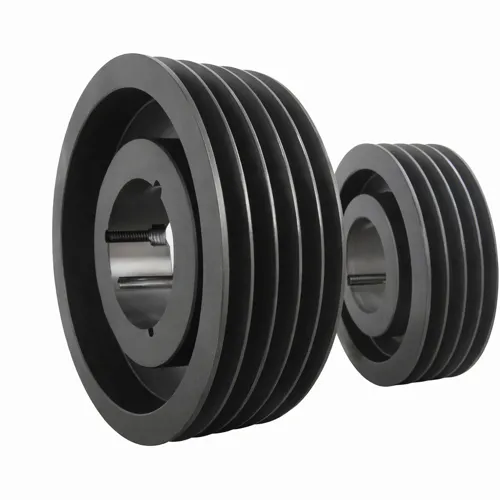
V-Belt Pulleys
Cast iron V-belt pulleys subjected to strict dynamic balancing protocols. Designed to transmit high RPM engine power to auxiliary implement systems with zero slip.
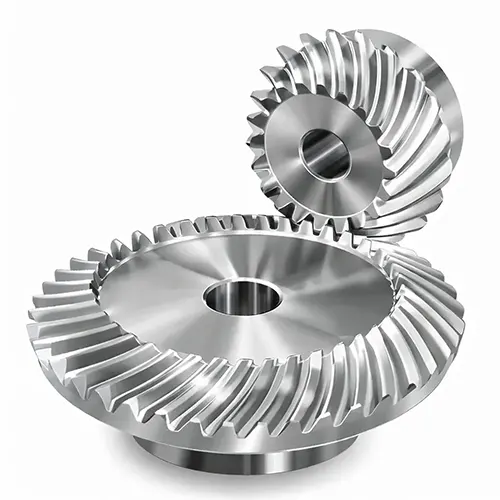
Custom Alloy Gears
Direct supply of master-crafted bevel, spur, and helical gear blanks. Forged from 20CrMnTi steel, optimized for heavy-load rebuilding and OEM prototyping.
EVER-POWER: Engineering the Backbone of Global Agriculture
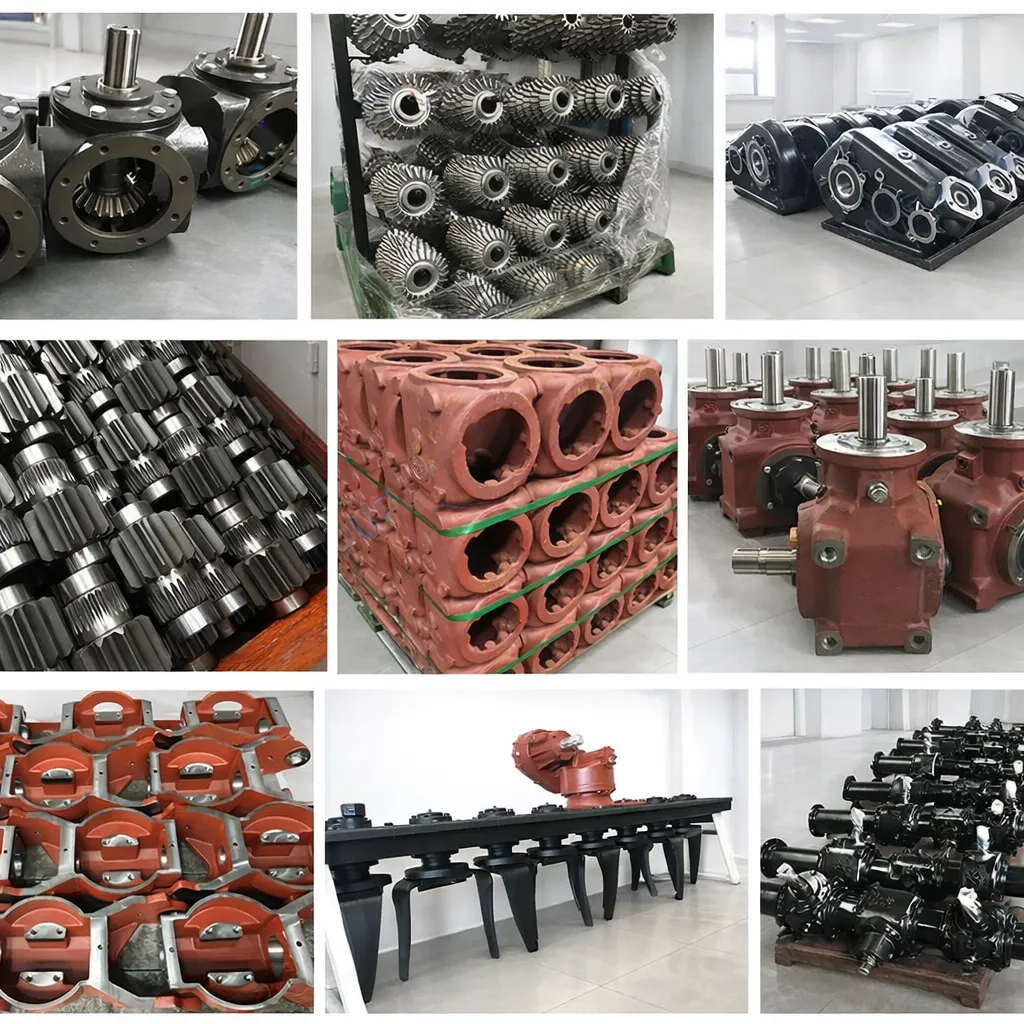
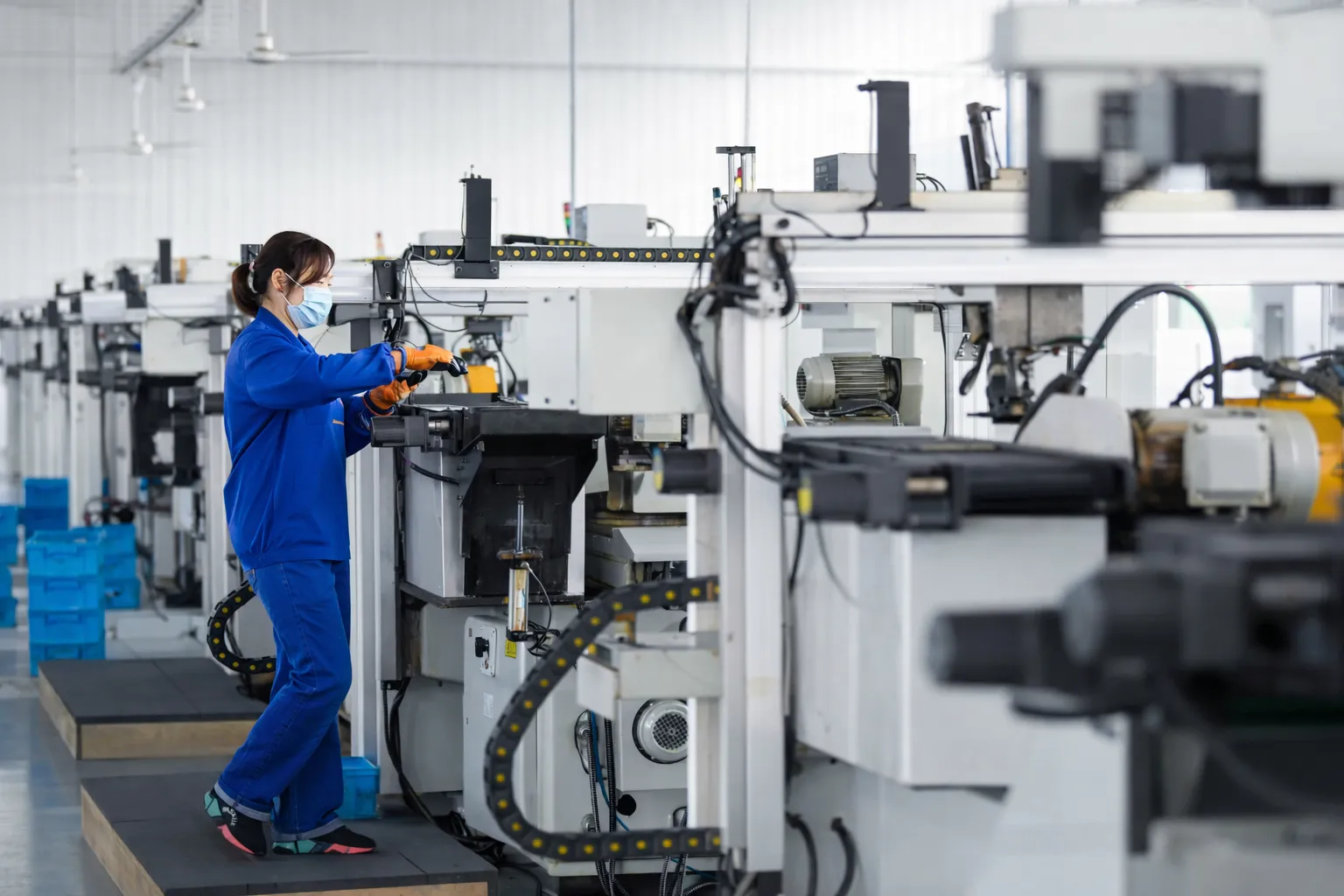
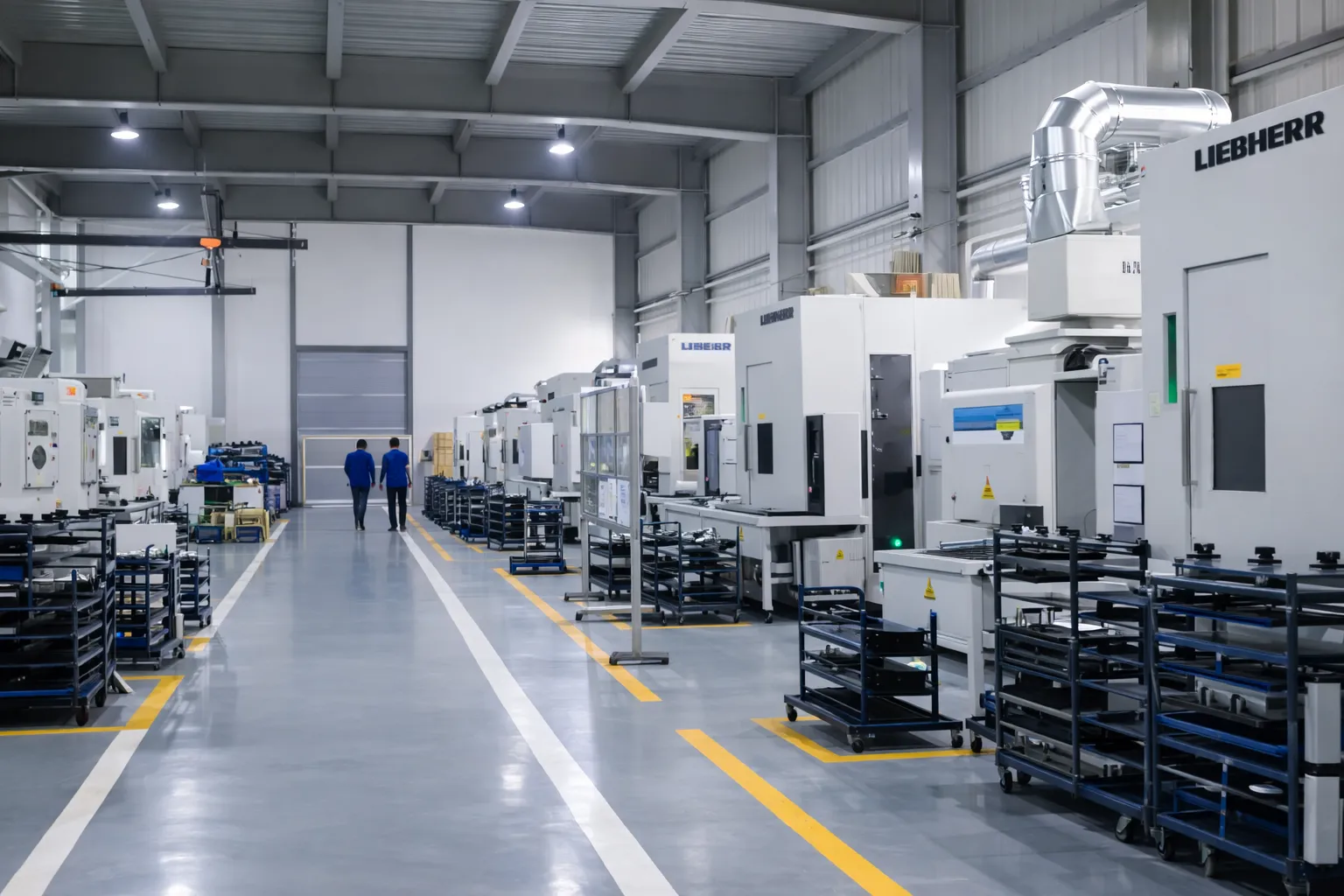
We do not just assemble components; we dictate metallurgical superiority from the foundry to the final coordinate measuring machine (CMM) inspection. Operating state-of-the-art multi-axis CNC skiving centers, vacuum carburizing furnaces, and ultrasonic non-destructive testing labs, EVER-POWER possesses the manufacturing scale and precision to eradicate drivetrain failure. Beyond our extensive standard catalog, we specialize in high-tolerance, non-standard engineering. Send us your CAD models, blueprints, or even reverse-engineering samples, and our specialists will forge a custom gearbox specifically tailored to your machinery’s unique kinetic demands.


Stop compromising on cast-iron liabilities. Fortify your implements with drivetrains that conquer Australian soil.
Consult Our Engineering Experts Now
Email direct: sales@australia-drive.com | Local Agency: General Bearing Company Pty Ltd (GBC)