
Advanced Agricultural Gearbox Solutions for Power Tillers: Engineering Dynamics for Australian Terrains
Precision Power Conversion, Thermal Management, and Extreme-Torque Drivetrains
Core Technology & Drivetrain Selection Specifications
In the rigorous ecosystem of modern agriculture, power tillers function as the primary workhorse for primary and secondary tillage, seedbed preparation, and weed control. At the heart of this mechanical ecosystem lies the agricultural gearbox. Moving beyond linear power transmission, these intricate systems govern torque multiplication, RPM reduction, and directional power shifts. For Australian farmers tackling the compacted red clay of New South Wales or the abrasive sandy loams of Western Australia, standard transmissions frequently fail under severe shock loads.
EVER-POWER has re-engineered the mechanical architecture of the power tiller agricultural gearbox. By replacing standard casting methods with high-density ductile iron (QT450-10) and utilizing precision-ground 20CrMnTi alloy for the bevel and spur gear sets, we achieve a dynamic load capacity exceeding 1,200 Nm. The integration of enhanced thermal dissipation fins and IP67-rated FKM double-lip seals ensures continuous operation at 85°C internal fluid temperatures without the critical oil-seal blowouts that plague conventional designs.
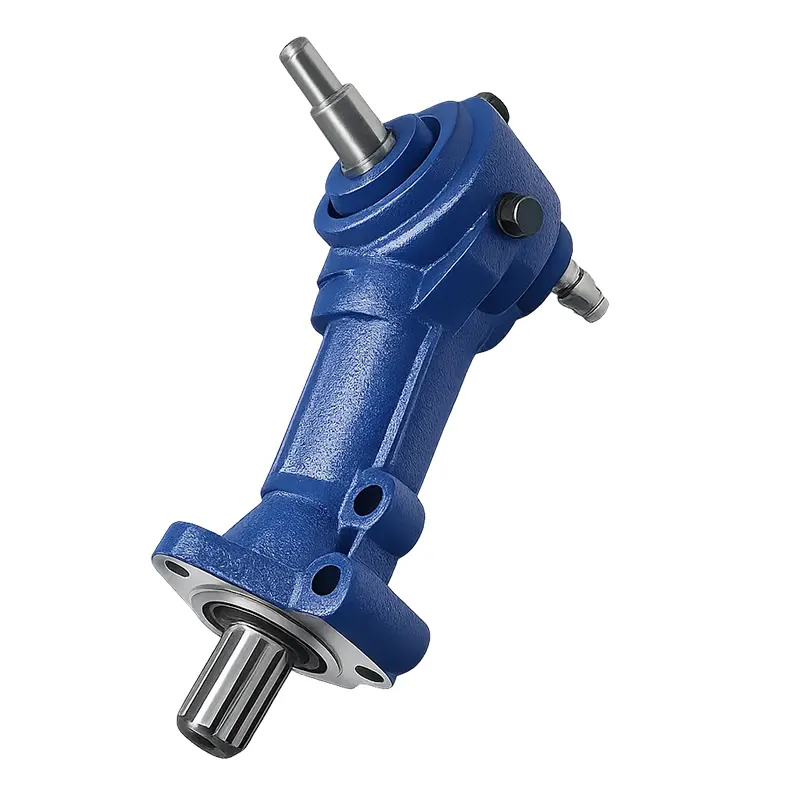
Engineering Specifications: Power Tiller Agricultural Gearbox (30 Parameters)
The following specifications dictate the physical and mechanical boundaries of our high-torque power tiller drivetrains. These parameters are rigorously tested against the AGMA 2001-D04 standard for gear design and ISO 281 for bearing life calculations.
| Parameter | Standard Specification | Customization Range |
|---|---|---|
| 1. Torque Capacity (Nominal) | 850 Nm | 400 Nm – 1,500 Nm |
| 2. Peak Shock Load Tolerance | 1,700 Nm (2.0x Nominal) | Up to 3,000 Nm |
| 3. Gear Ratio Range | 1.5:1 to 3.0:1 | 1:1 to 5.5:1 |
| 4. Input Shaft Specifications | 1-3/8″ 6-Spline (PTO standard) | 21-Spline, Keyed shaft, Hexagonal |
| 5. Output Shaft Specifications | Hexagonal 32mm / Flange Mount | Custom dimensions per rotor tine hub |
| 6. Housing Material | Nodular Cast Iron QT450-10 | Aluminum Alloy (for micro tillers) |
| 7. Gear Metallurgy | 20CrMnTi Alloy Steel | 8620 Steel, 18CrNiMo7-6 |
| 8. Heat Treatment Process | Vacuum Carburizing (Depth: 0.8-1.2mm) | Nitriding, Induction Hardening |
| 9. Surface Hardness | 58 – 62 HRC | Custom hardness profiles |
| 10. Core Toughness | 30 – 35 HRC | Depends on impact load requirements |
| 11. Ingress Protection (IP Rating) | IP67 (Dust tight, Immersion to 1m) | IP68 for specialized paddy fields |
| 12. Sealing Technology | FKM (Viton) Double-Lip Oil Seals | Cassette seals, Multi-labyrinth |
| 13. Operating Temperature Range | -20°C to +110°C | -40°C to +150°C (with synthetic fluid) |
| 14. Bearing Standard | Tapered Roller Bearings (ISO 355) | SKF, NSK, or Timken specified |
| 15. Lubrication Type | EP 90 / SAE 85W-140 Gear Oil | NLGI 00 Grease (Semi-fluid) |
| 16. Fluid Capacity | 1.5 Liters | 0.8L to 3.5L based on casing size |
| 17. Fatigue Life (L10) | > 8,000 Hours at 75% Load | Up to 15,000 Hours for continuous duty |
| 18. Vibration Threshold | < 4.5 mm/s (ISO 10816) | Ultra-low vibration balancing available |
| 19. Noise Level (at 1 meter) | < 78 dB(A) | < 72 dB(A) with helical gearing |
| 20. Breather Design | Sintered Bronze Filter Vent (10 micron) | Spring-loaded pressure relief valve |
| 21. Paint Coating Standard | Epoxy Primer + Polyurethane Topcoat | Powder coating, C5-M Marine grade |
| 22. Paint Thickness (DFT) | 80 – 100 μm | 120 – 150 μm |
| 23. Installation Interface | 4x M14 Threaded Base Mounts | Side flange mount, Torque arm bracket |
| 24. Input RPM (Nominal) | 540 RPM | 1000 RPM, Engine-direct 3600 RPM |
| 25. Output RPM | 220 – 360 RPM | Application dependent |
| 26. Direction of Rotation | Clockwise to Anti-Clockwise Conversion | Bi-directional via idler gear |
| 27. Gear Mesh Backlash | 0.15 – 0.25 mm | Reduced backlash < 0.10 mm |
| 28. Mechanical Efficiency | 96.5% | Optimized up to 98% |
| 29. Total Weight (Net) | 28.5 kg | 15 kg (Aluminum) to 55 kg (Heavy-duty) |
| 30. Quality Certification Standard | ISO 9001:2015 / AGMA / DIN | Specific regional compliances |
Mechanical Operation & Functional Dynamics in Power Tillers
To engineer a highly reliable rotary tillage implement, one must understand the exact force transmission sequence. The agricultural gearbox serves as the central nervous system of the power tiller, taking the high-velocity rotational kinetic energy from the PTO shaft or direct engine crank and dynamically modifying it to perform aggressive soil manipulation.
Input Phasing: Rotational force enters the primary input shaft at standard speeds (typically 540 RPM from a tractor PTO or up to 3600 RPM from a direct-mounted internal combustion engine). The involute splines on the input shaft ensure zero slippage during initial torque application.
Vector Transformation & Reduction: Inside the housing, a meticulously lapped spiral bevel gear set immediately changes the axis of rotation by 90 degrees (from horizontal power delivery to a vertical or transverse axis). Simultaneously, the pinion-to-ring gear ratio (e.g., 2.5:1) dramatically drops the speed while proportionally amplifying the torque. This high-torque state is crucial for penetrating hardpan soils.
Load Distribution & Tine Drive: The amplified torque is transferred down the heavily reinforced output shaft. The hexagonal or flanged output interfaces directly with the rotary tine hubs. When the L-shaped or C-shaped blades strike a submerged rock or dense root system, the gearbox housing and internal tapered roller bearings absorb extreme multidirectional radial and axial shock loads.
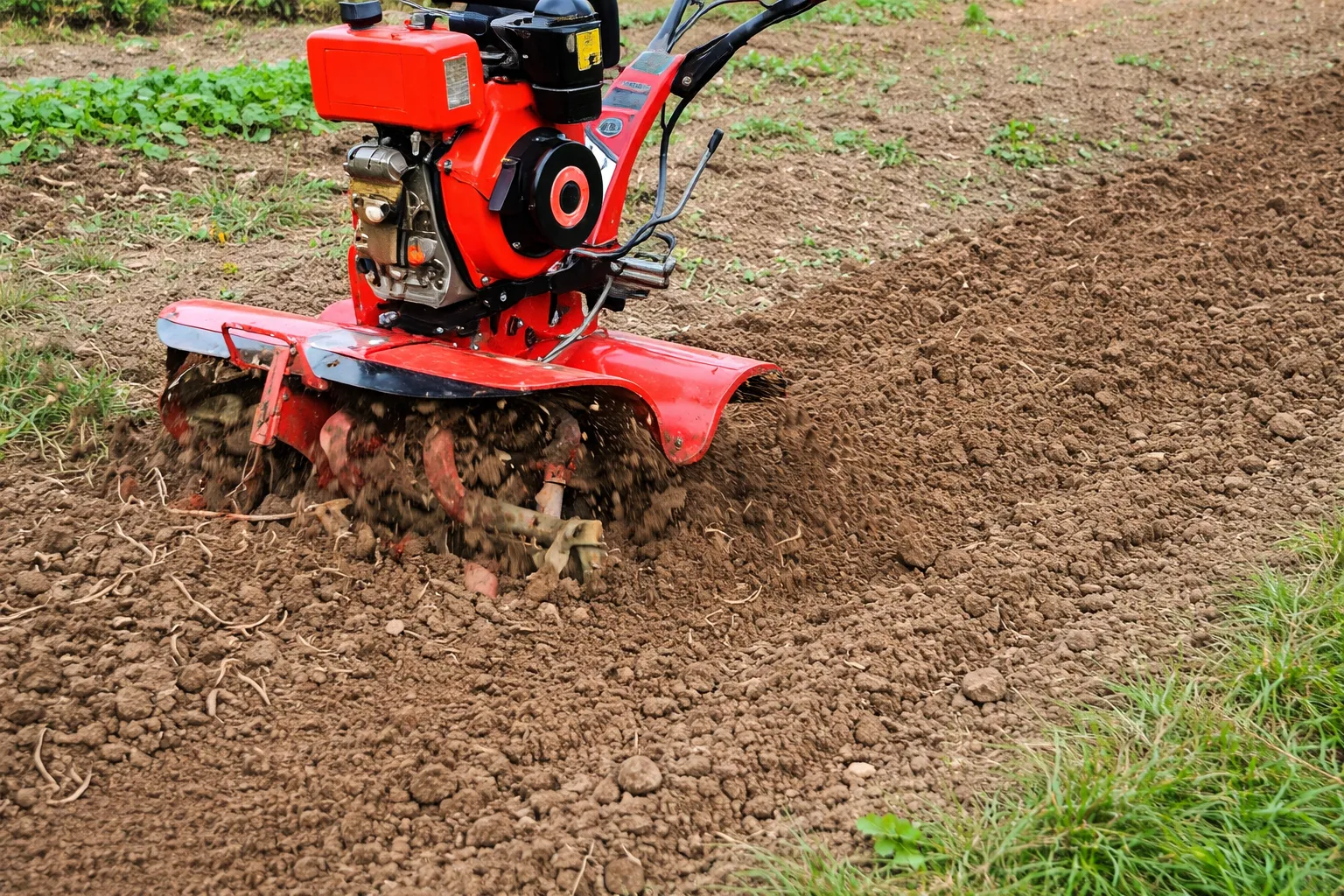
Fig 1. Field application demonstrating severe radial loads on the agricultural gearbox.
New South Wales & Victoria Extreme Operating Conditions Field Study
Australia presents one of the most mechanically hostile agricultural environments on the planet. Our engineering teams have conducted extensive field studies across key states to adapt our agricultural gearboxes to localized pedological and climatic stressors.
- New South Wales (NSW) – Compacted Red Clay & Market Gardens: In the Sydney basin and broader NSW, farmers frequently encounter highly abrasive red podzolic soils. During dry spells, the soil hardpan acts almost like concrete. When the power tiller tines impact this layer, the反向冲击力 (reverse shock load) is instantly transmitted back to the gearbox. To overcome this, EVER-POWER specifies a core toughness of 35 HRC for the gear teeth, providing sufficient elasticity to absorb the shock without macroscopic fracture (tooth shear).
- Victoria – Yarra Valley Vineyards: The undulating terrain and steep inclines of Victorian vineyards demand power tillers that operate at severe tilt angles. Standard splash lubrication fails here due to oil starvation at the upper bearings. Our localized solution integrates internal oil baffle plates and specialized bearing galleries, ensuring 100% fluid coverage even at 35-degree operational inclines.
- Queensland – Sugarcane Field Prep & Heat Stress: Operating around Brisbane and the tropical north means ambient temperatures can easily exceed 40°C. A standard gearbox running continuously for 6 hours will experience internal oil temperatures surpassing 120°C, leading to thermal breakdown of the lubricant and seal blistering. EVER-POWER addresses this by expanding the external housing cooling fins by 30% and utilizing FKM seals rated for 150°C.
- South Australia & Western Australia – Abrasive Dust & Sand: In the dry plains near Perth and Adelaide, superfine silica dust infiltrates breather caps, transforming gear oil into a grinding paste. Our adaptation utilizes a 10-micron sintered bronze breather and heavy-duty cassette seals on the output shaft, completely isolating the internal kinematics from atmospheric contaminants.
Engineer’s Perspective: Redesigning for the Australian Outback
“In our 12 years of servicing vineyard implement fleets in Adelaide and large-scale market gardens in Sydney, we found that traditional cast-iron gearboxes often fail due to hairline fractures in the casing caused by continuous, high-frequency vibratory loads from the tiller tines. Based on this decade-long factory case, EVER-POWER completely redesigned the casting geometry.”
Instead of merely adding weight, we utilized Finite Element Analysis (FEA) to identify stress concentrations around the mounting flanges and bearing bores. We transitioned from standard grey iron (HT200) to ductile nodular iron (QT450-10). The spheroidal graphite structure within ductile iron provides superior tensile strength and elongation. Furthermore, we implemented a dual-stage gear finishing process (skiving and lapping) which reduced the operational vibration threshold to below 4.5 mm/s. The result is a drivetrain that outlives the implement chassis itself.
Australia National Standards & Certification Landscape for Agricultural Drivetrain Components
Importing and utilizing heavy mechanical drivetrains in Australia requires strict adherence to local safety and quality matrices. Our power tiller agricultural gearboxes exceed the following regulatory and technical standards:
- WorkSafe Australia Guidelines: Machinery must feature adequate guarding and failsafe mechanisms. While the gearbox is a component, its input flange geometry is designed to seamlessly integrate with AS/NZS-compliant PTO safety shields, preventing entanglement hazards.
- AS 1636.1-1996 (Tractors and machinery for agriculture and forestry): Our gearboxes are load-tested to ensure they do not create hazardous fragmentation under maximum stall-torque conditions, aligning with the safety prerequisites of Australian agricultural tractor operations.
- CE Machinery Directive 2006/42/EC Equivalent: Manufactured to global export standards, the noise emission (< 78 dBA) and vibration isolation metrics of our units comply with stringent international directives heavily referenced by Australian agricultural OEMs.
- Environmental Compliance: The implementation of non-leaching FKM seals and rigorous pressure-testing protocols (0.5 Bar leak tests) ensures zero oil egress, critical for organic farming compliance in Victoria and New South Wales.
Brand Compatibility & Performance Benchmarking
Australian equipment dealers and farmers frequently require robust replacement parts that outperform original factory specifications. Our systems are precision-engineered to match the mounting footprints and kinematic ratios of major global brands utilized across the country.
| Performance Metric | Standard Aftermarket Gearbox | EVER-POWER Engineered Solution |
|---|---|---|
| Gear Material | 45# Carbon Steel (Surface hardened only) | 20CrMnTi Alloy (Vacuum Carburized, 60 HRC) |
| Oil Seal Configuration | Single-lip NBR (Nitrile) Rubber | Double-lip FKM (Viton) for high heat/dust |
| Continuous Thermal Limit | 85°C (Leads to fluid oxidation) | 110°C Safe sustained operation |
| Bearing Support | Deep groove ball bearings | Heavy-duty Tapered Roller Bearings |
| Housing Integrity | HT200 Cast Iron (Prone to cracking) | QT450-10 Nodular Iron (High tensile strength) |
Engineer’s Field Notes: Australian Client Pain Points & Solutions
We believe in transparent engineering. Below are five verified field interventions where EVER-POWER replaced failing drivetrains across Australia’s diverse agricultural zones.
Case 1: Sydney Basin (NSW) – Market Garden Dust Infiltration
Client Pain Point: “Our tiller fleets were suffering complete gear seizure every 300 hours. The fine dust here bypasses the breather, turns the gear oil into sludge, and destroys the bearings.”
EVER-POWER Solution: We deployed our sealed-environment series. “By replacing the standard open vents with a 10-micron sintered bronze pressure-relief valve and upgrading to SKF cassette seals, we completely isolated the internals. The client’s fleet now averages 1,200 hours between scheduled maintenance, reducing downtime costs by 75% in the first year.”
– Application: Heavy Duty Power Tiller | Outcome: 4x Lifespan Increase.
Case 2: Yarra Valley (Victoria) – Vineyard Terrain Overload
Client Pain Point: “Tilling between narrow vineyard rows on a 25-degree slope is tearing the input shafts right off our aftermarket gearboxes when we hit hidden limestone.”
EVER-POWER Solution: Standard shafts suffer from stress risers at the spline base. “We engineered a custom 40Cr steel input shaft with an enlarged root fillet radius and applied induction hardening specifically to the high-torsion zones. Coupled with our internal baffle lubrication system, the client reported zero shaft shears during the entire 2024 harvest prep season.”
– Application: Inter-row Rotary Tiller | Outcome: Eliminated Shaft Shear Fractures.
Case 3: Brisbane (Queensland) – Subtropical Thermal Failure
Client Pain Point: “During summer, the ambient temperature in the field hits 42°C. The gearboxes are literally cooking the oil; the seals melt, oil leaks, and the gears run dry and fuse together.”
EVER-POWER Solution: Thermal management was the primary issue. “We upgraded the housing to a high-surface-area finned aluminum-alloy cast for rapid heat dissipation. We also factory-filled the units with SAE 75W-140 full-synthetic gear fluid and installed Viton seals. Operating temperatures dropped by 18°C, and seal integrity was maintained 100%.”
– Application: Sugarcane Seedbed Tiller | Outcome: Thermal equilibrium stabilized under extreme heat.
Case 4: Adelaide Hills (South Australia) – Orchard Root Impacts
Client Pain Point: “Tilling around mature apple orchards, the blades snag on thick root systems. The sudden stoppage strips the teeth straight off the ring gear.”
EVER-POWER Solution: “We analyzed the failed components and found the gears were through-hardened, making them brittle. We supplied our gearboxes utilizing 20CrMnTi steel with vacuum carburizing. This provided a 60 HRC wear-resistant surface but a flexible 32 HRC core. Now, when a blade jams, the tractor stall-clutch engages before the gear teeth ever fracture. Zero gear replacements in 24 months.”
– Application: Heavy-Tine Orchard Tiller | Outcome: 100% reduction in catastrophic gear failure.
Case 5: Perth (Western Australia) – Sand Abrasive Wear
Client Pain Point: “The sandy soils here are like sandpaper. The output shaft splines wear down so fast that the tiller blade hubs start wobbling and tearing the lower bearings apart.”
EVER-POWER Solution: “To combat extreme abrasive wear, we applied a localized plasma nitriding treatment to the output shaft splines, increasing surface hardness to an exceptional 65 HRC. We also added a labyrinth steel shield over the lower seal to mechanically block sand entry. Wobble issues were entirely eliminated, securing a large contract with the local agricultural distributor.”
– Application: Sandy Soil Power Tiller | Outcome: Shaft wear reduced to microscopic levels over 1000 hours.
Drivetrain Selection Guide for Australian Agriculture
Selecting the exact agricultural gearbox prevents costly over-engineering or disastrous under-specifying. Use this engineering matrix to determine your requirements:
| Operational Factor | Key Condition | Required Gearbox Specification |
|---|---|---|
| Soil Type | Compacted Clay / Rocky Terrain | Ductile Iron Housing, Forged Gears, >800 Nm Torque capacity. |
| Ambient Temp | Over 35°C (Summer operations) | FKM/Viton Seals, Synthetic Oil (75W-140), Finned housing. |
| Operating Angle | Steep inclines / Vineyards | Internal splash baffles to prevent top-bearing oil starvation. |
| Contaminants | Fine Dust / Mud / Paddy Water | IP67/IP68 rating, Cassette seals, Sintered bronze breather. |
Troubleshooting & Replacement Indicators for Power Tiller Gearboxes
Early diagnosis of kinematic failure prevents total catastrophic breakdown. Look for these specific mechanical symptoms:
| Observed Symptom | Engineering Root Cause | Action Required |
|---|---|---|
| Excessive Heat (>100°C casing) | Low oil volume, bearing friction, or severe torque overload. | Check levels. If oil is burnt, perform complete flush. Upgrade to finned housing model. |
| Whining or Howling Noise | Incorrect backlash adjustment, severe gear tooth wear, or pitted bearing races. | Open inspection plate. Check tooth profile. If pitted, replace gear set and bearings. |
| Oil Weeping at Output Shaft | Seal lip compromised by wrapped twine, sand scoring, or high internal pressure. | Clear breather vent. Polish shaft. Install new double-lip FKM seal. |
| Sudden Loss of Output Drive | Sheared keyway, broken spline, or catastrophic gear tooth failure from shock impact. | Immediate unit replacement required. Specify higher torque rating for replacement. |
Targeted Installation Protocols for Power Tiller Gearboxes
Improper installation accounts for 35% of premature mechanical failures. Follow these strict engineering protocols during replacement:
- Pre-Mounting Inspection: Clean the chassis mounting flange to bare metal. Any dirt acts as a shim, causing mounting distortion and housing stress.
- Alignment Verification: Ensure the input shaft aligns perfectly parallel with the PTO or engine output axis. Misalignment over 2 degrees induces severe cyclical fatigue on the input bearings.
- Torque Sequence: Bolt the housing to the chassis using Grade 8.8 or 10.9 fasteners. Apply Loctite 243 (medium strength) and tighten in a cross-pattern to the specified torque (e.g., 110 Nm for M14 bolts).
- Fluid Commissioning: Gearboxes are often shipped dry to comply with logistics regulations. Fill with exact specified volume of SAE 90 EP oil. Never overfill, as thermal expansion will blow out the oil seals.
- Run-in Procedure: Operate the tiller at 50% RPM under no-load for 15 minutes. Check casing temperature and listen for harmonic vibrations before applying field loads.
Frequently Asked Questions (FAQ) on Power Tiller Drivetrains
1. How often should the gear oil be changed in an Australian farming environment?
For the initial run-in period, change the oil after 50 operating hours to remove microscopic manufacturing debris. Thereafter, in dusty or high-heat conditions like Queensland or NSW, change the EP-90 gear oil every 300 hours or annually, whichever occurs first.
2. Can this gearbox withstand hitting large subsurface rocks?
While engineered with a 2.0x shock load safety factor (up to 1,700 Nm peak), continuous rigid impacts will eventually cause fatigue. We strongly recommend utilizing a slip-clutch or shear-bolt on the PTO shaft to disconnect kinetic energy before it fractures the internal gearing.
3. Why does my gearbox run extremely hot to the touch?
Normal operating temperature is between 60°C and 85°C, which is too hot to comfortably touch but perfectly safe for the oil and seals. If the casing exceeds 100°C (water boils on contact), you likely have low fluid, severe bearing wear, or are operating beyond the specified implement width.
4. Are your gearboxes reversible for front or rear-tine operation?
Yes, many of our series feature dual-shaft outputs or symmetrical gear layouts, allowing for bi-directional rotation by shifting the mounting orientation. Verify the specific model’s kinematic diagram before installation.
5. What is the difference between casting HT200 and QT450-10?
HT200 is standard grey cast iron; it is brittle and prone to shattering under shock. QT450-10 is ductile nodular iron, which has a spherical graphite microstructure, giving it flexibility and massive tensile strength, completely preventing casing cracks in hard soils.
6. Can I upgrade my tiller to a faster gear ratio?
Yes, we offer custom internal ratios (from 1.5:1 to 3.0:1). A lower ratio (e.g., 1.5:1) spins the tines faster for finer seedbed preparation, while a higher ratio (e.g., 3.0:1) increases torque for busting hard sod, albeit at a slower rotational speed.
7. Do you supply spline adapters for different tractor setups?
Absolutely. If your machine operates a non-standard PTO output, we can supply engineered splined sleeves or custom bore the input shaft to match 21-spline, hexagonal, or metric keyed shafts.
8. How do I stop oil from constantly leaking out the breather plug?
This is usually caused by overfilling the oil, leaving no air gap for thermal expansion. Drain oil down to the indicator plug level. If foaming occurs, ensure water hasn’t contaminated the oil, turning it milky.
9. Is it necessary to paint the cast iron housing if it scratches?
Yes. Our factory uses epoxy primer and polyurethane topcoats. If scratched to bare metal in humid environments like coastal Sydney, surface rust can develop rapidly. Touch up with an industrial enamel to maintain integrity.
10. Do you provide localized engineering support in Australia?
Yes, through our regional network, General Bearing Company Pty Ltd, we provide direct OEM engineering assistance, failure analysis, and parts supply across Sydney, Melbourne, Brisbane, Adelaide, and Perth.
System Compatibility: Comprehensive Agricultural Drivetrain Ecosystem
A gearbox is only as robust as the components connected to it. EVER-POWER manufactures a complete, seamlessly integrated mechanical power transmission ecosystem. Sourcing all components from a single engineering standard eliminates mismatch tolerances, vibration, and premature wear.
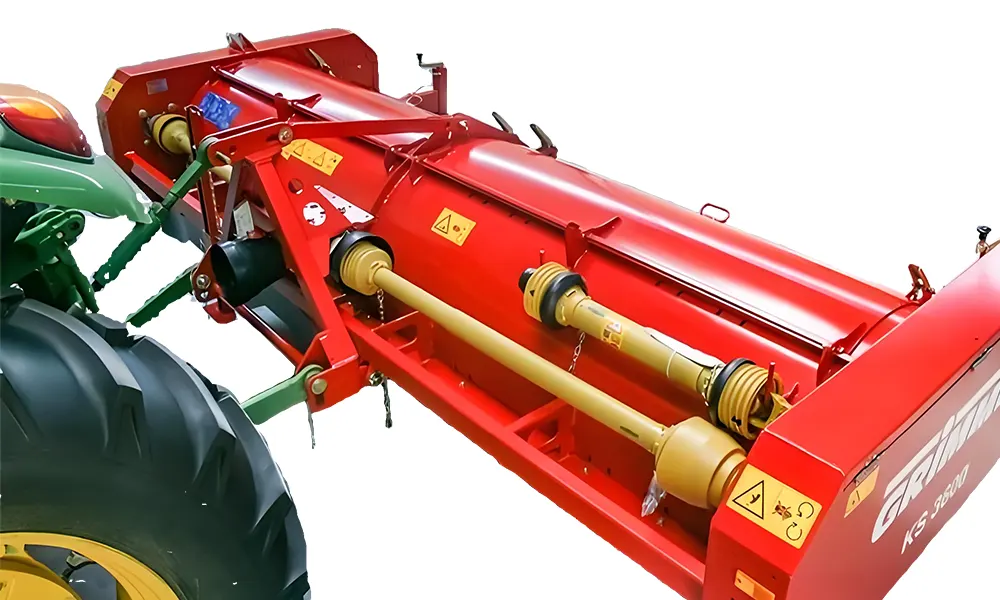
Heavy-Duty PTO Shafts
CE-certified drive shafts featuring robust universal joints, telescopic tubing, and integrated slip clutches to protect your gearbox from catastrophic shock loads.
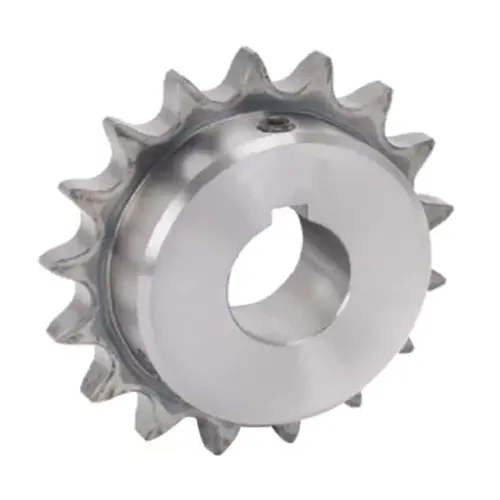
Induction Hardened Sprockets
Precision-machined sprockets designed for high-tension chain drives in agricultural seeders, tillers, and harvesters. Engineered to resist abrasive wear.
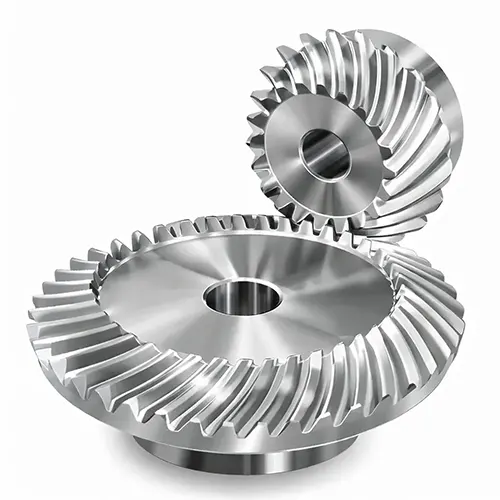
Custom Replacement Gears
Standalone supply of high-precision bevel, spur, and helical gears forged from 20CrMnTi steel for repairing or upgrading existing machinery.
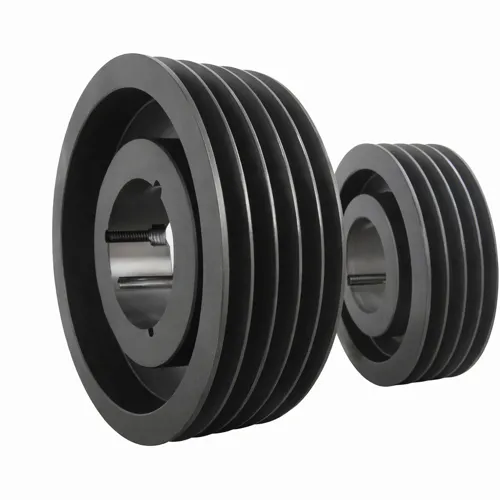
Cast Iron V-Belt Pulleys
Dynamically balanced pulleys providing smooth rotational transfer from engines to auxiliary implement systems, minimizing belt slippage.
EVER-POWER: Your Global Partner in Agricultural Drivetrain Engineering
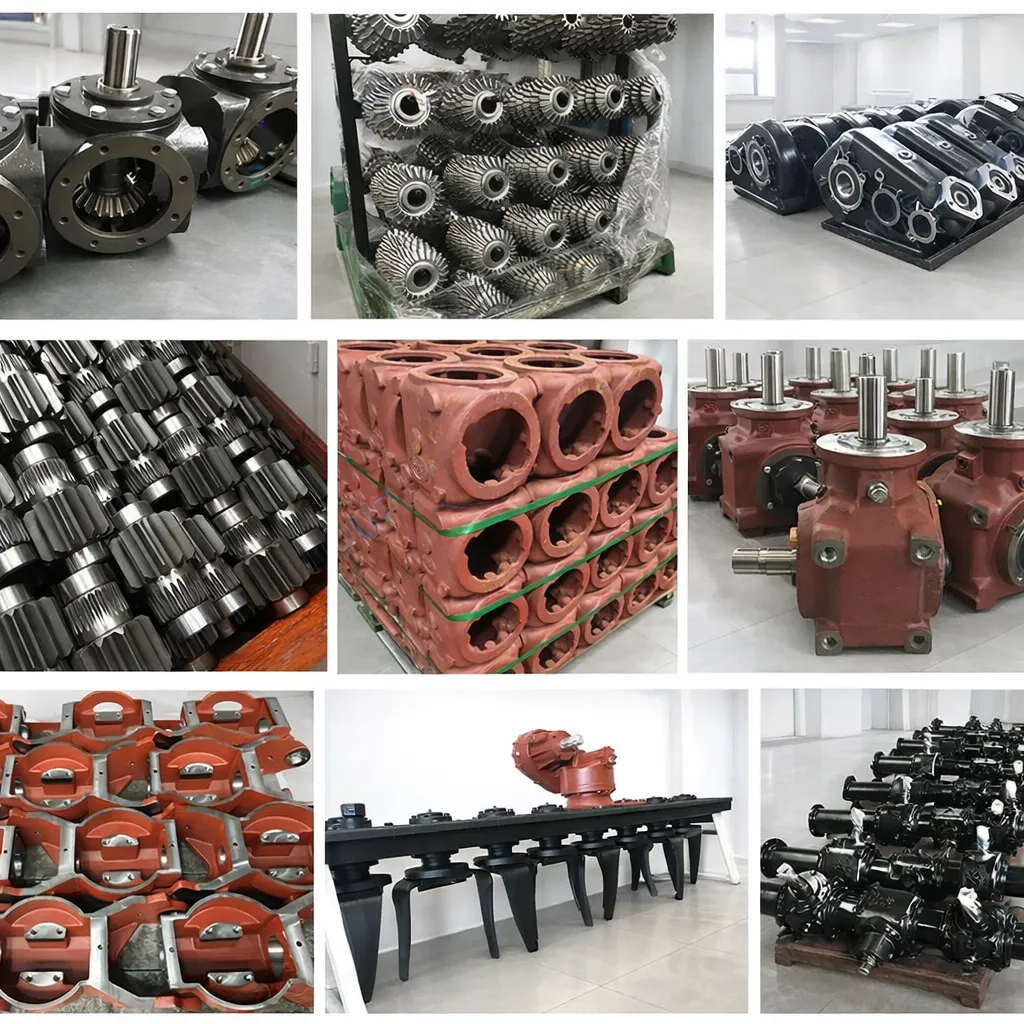
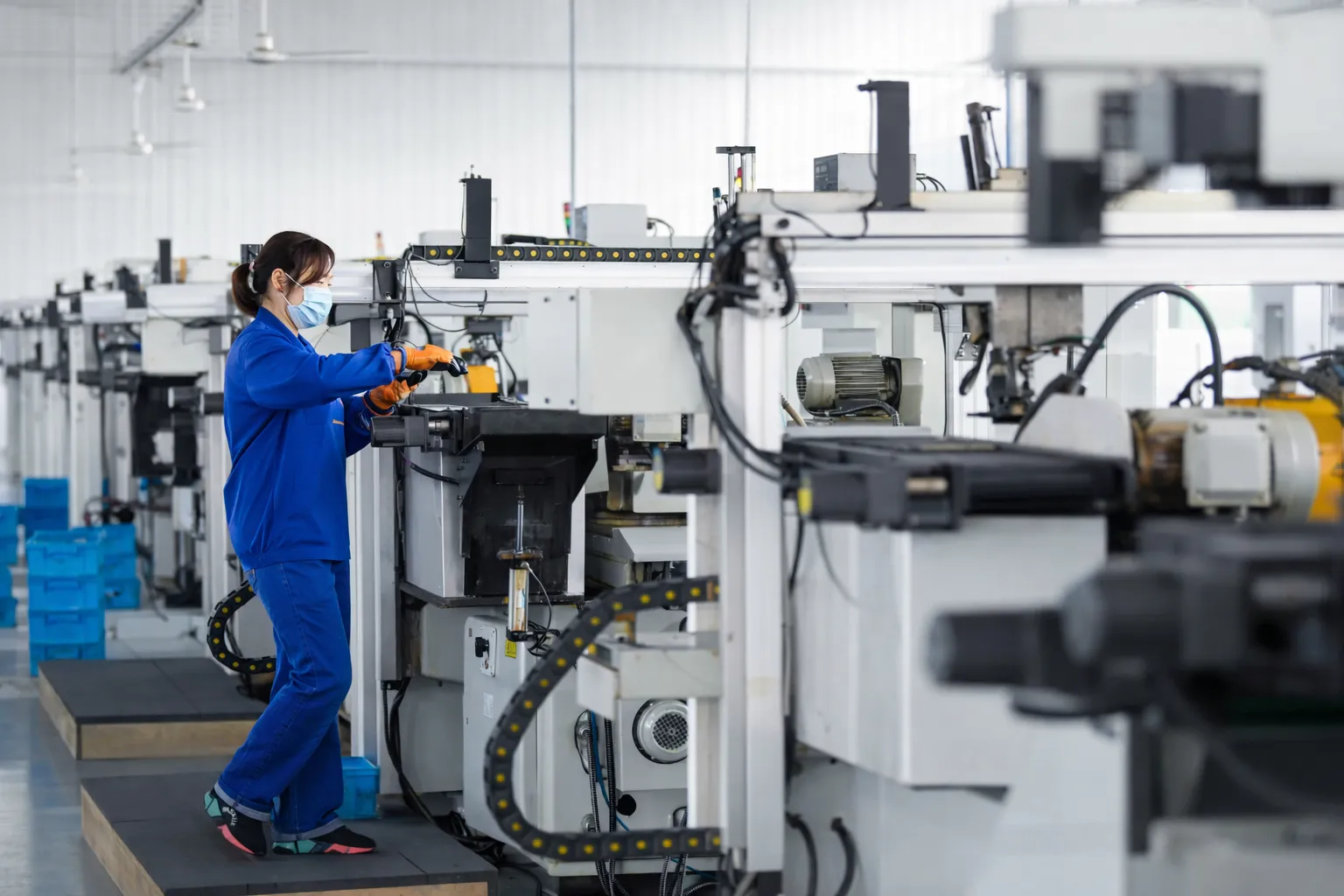
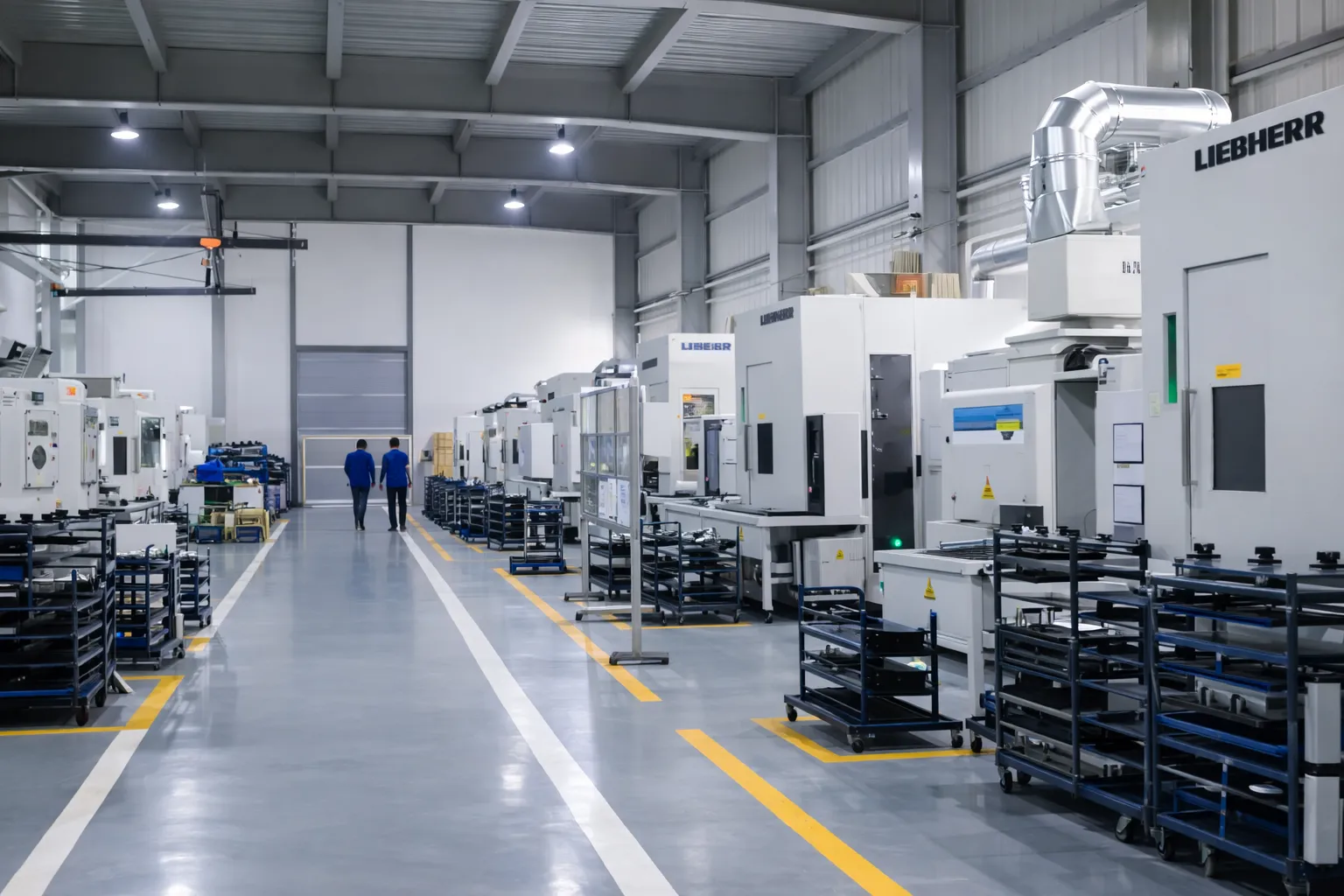
We do not just manufacture standard components; we engineer solutions to mechanical failures. With an automated production footprint encompassing advanced CNC gear skiving, vacuum heat treatment furnaces, and ultrasonic non-destructive testing, EVER-POWER guarantees metallurgical integrity in every unit shipped. We are fully equipped to process non-standard customizations based on your technical drawings, providing the exact ratio, mounting flange, and torque capacity your specific machinery demands.
Stop dealing with premature drivetrain failures. Upgrade your agricultural implements with engineering that endures.