
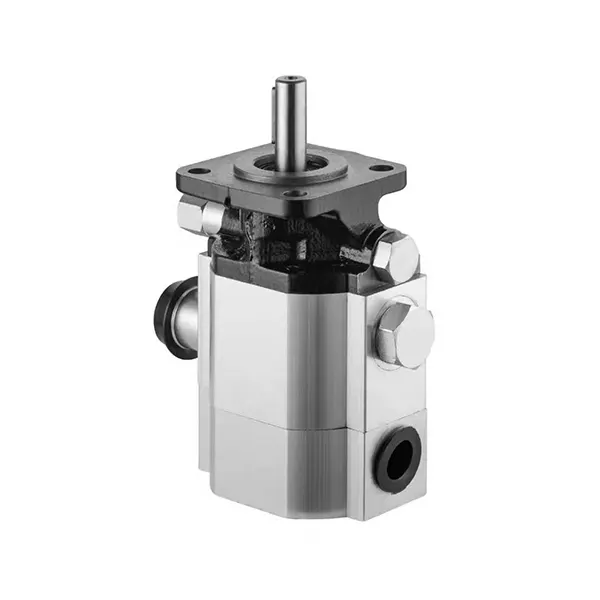
Hydraulic 2-Stage Log Splitter Pump 3.4 GPM 2900 PSI CW Rotation – CBNA-13/3.0
The GBC CBNA-13/3.0 Hydraulic 2-Stage Log Splitter Pump represents a pinnacle of engineering designed for superior efficiency and unwavering durability across demanding wood-splitting operations. This high-performance component delivers a crucial blend of rapid ram extension at low pressure and immense splitting force at high pressure, making it exceptionally suited for the diverse and often challenging timber varieties found throughout Australia. As a vital element for both residential and commercial log splitters, this pump is instrumental in achieving optimal productivity and contributing to reduced operational costs for users.
The primary advantages of this hydraulic pump include significantly faster cycle times, optimized horsepower consumption, and a robust cast iron construction that ensures an extended operational lifespan. Its adaptability extends beyond dedicated log splitting, proving valuable in various industrial hydraulic systems.
GBC Hydraulic 2-Stage Log Splitter Pump CBNA-13/3.0
Product Overview
The GBC CBNA-13/3.0 is a meticulously engineered 2-stage hydraulic pump, purpose-built to provide a harmonious balance of speed and power for log splitting applications. This advanced pump, now readily available through GBC as Ever-Power's dedicated Australian sales agent, is designed to deliver consistent and highly efficient performance across a wide spectrum of wood-splitting tasks. Its robust construction and specialized design ensure it meets the rigorous demands of both domestic and commercial environments.
GBC CBNA-13/3.0 Hydraulic 2-Stage Log Splitter Pump: Key Technical Specifications
How do 2-Stage Hydraulic Pumps Work?
The operational superiority of the GBC CBNA-13/3.0 stems from its sophisticated 2-stage hydraulic pump design, a specialized configuration rarely found in other hydraulic systems but uniquely suited for log splitters. This design integrates two distinct gear pumps within a single housing, complemented by an automatic bypass valve. When the hydraulic system is operating under low pressure, such as during the initial, unloaded extension of the log splitter ram, both gear sets work in unison to pump oil into the system. This combined output delivers a high flow rate, enabling the ram to extend rapidly and significantly reduce cycle times.
As the ram encounters resistance and the system pressure begins to rise (typically reaching 500-800 PSI), the internal bypass valve automatically activates. At this critical point, the oil from the larger gear set is rerouted back to the pump's inlet side at near-zero pressure. Consequently, only the smaller gear set continues to force oil out through the pressure port, generating the high pressure necessary to split tough logs. This seamless, automatic transition between high-flow/low-pressure and low-flow/high-pressure modes is often imperceptible to the operator, ensuring a smooth and efficient splitting process.
This intelligent design offers substantial advantages. By only engaging the smaller gear set for high-pressure splitting, the pump significantly reduces the horsepower required from the engine, allowing for the use of smaller, more fuel-efficient engines without compromising splitting force. This translates directly into lower fuel consumption and reduced operational costs. Furthermore, this optimized power utilization minimizes heat generation within the hydraulic system, contributing to the longevity of components and the overall efficiency of the log splitter. The inherent efficiency and durability of this 2-stage design are key factors in its effectiveness for log splitting applications.
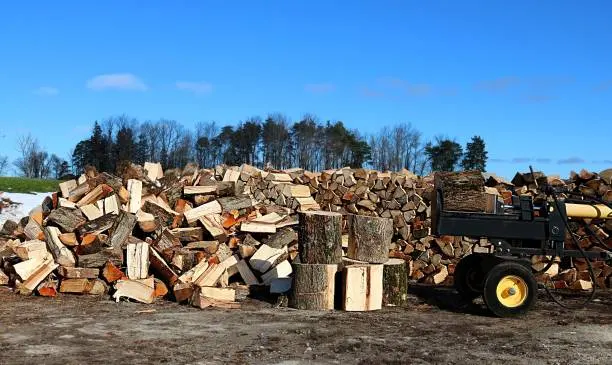
Advantages of the CBNA-13/3.0 in Operation
The GBC CBNA-13/3.0 hydraulic pump's specific technical parameters directly translate into tangible operational benefits for users. Its nominal displacement of 13/3.0 ml/r signifies a high flow rate during the low-pressure stage, ensuring the log splitter ram extends quickly when not under load. This rapid movement, combined with a maximum pressure capability of 20 MPa (approximately 2900 PSI), means the pump can generate substantial force to power through even the most stubborn hardwoods. This dual capability of speed and power is precisely what users require for efficient log splitting, minimizing idle time and maximizing productivity.
The pump's highest rotational speed of 3600 r/min further contributes to its efficiency, allowing it to maintain optimal performance even under demanding conditions. The clockwise (CW) rotation is a standard configuration, simplifying integration with a wide range of log splitter engines and setups. This ensures straightforward installation and compatibility for various existing systems.
Beyond its primary application in log splitters, the GBC CBNA-13/3.0 pump's robust design and versatile performance characteristics make it suitable for a broader array of hydraulic systems. It can effectively power machine tools, trash compactors, hydraulic presses, and even snowplow hydraulic systems.
Unmatched Performance for Hardwoods
The GBC CBNA-13/3.0 hydraulic pump is engineered to deliver a performance profile that is exceptionally well-suited for the demanding task of splitting Australian hardwoods. Its 2-stage design is the cornerstone of this capability, providing a dynamic interplay of speed and power that optimizes the splitting process. During the initial, unloaded phase of the log splitter's ram extension, the pump operates in a high-flow, low-pressure mode, rapidly moving the ram into position. This translates to significantly faster cycle times, reducing the overall time required to process a log.
Once the ram encounters resistance from the log, the pump seamlessly transitions to its high-pressure, low-flow mode. In this stage, it can generate up to 20 MPa (approximately 2900 PSI) of pressure, providing the immense force necessary to cleave through dense and fibrous hardwoods such as Ironbark, Red Gum, Eucalyptus, and various Acacia species. These Australian timbers are renowned for their toughness, often presenting a significant challenge to less capable hydraulic systems. The GBC CBNA-13/3.0's ability to maintain high pressure without stalling, even when faced with knots or oversized logs, ensures consistent and reliable splitting performance. This optimized power delivery not only enhances productivity but also minimizes strain on the engine, contributing to overall system longevity.
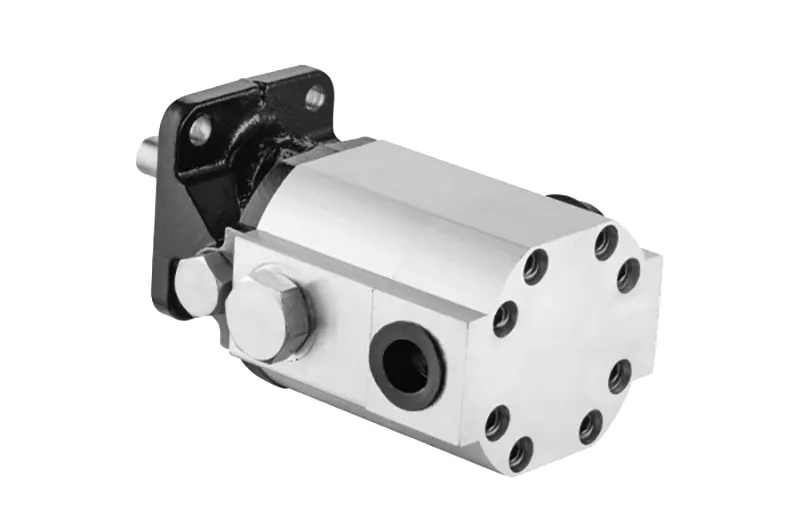
Engineered for Durability and Longevity
Durability is a non-negotiable attribute for hydraulic components operating in demanding environments, and the GBC CBNA-13/3.0 pump is constructed with longevity in mind. While the specific material for this model is inferred, similar high-performance 2-stage pumps are typically manufactured with rugged cast iron construction. This choice of material provides superior resistance to impact, wear, and corrosion, which are common challenges in outdoor power equipment and industrial applications.
The robust construction helps prevent common issues such as shaft seal leaks that can result from operational stresses or minor impacts. Components like hardened steel shafts, durable bearings, and high-performing seals are integral to ensuring the pump's extended service life, even under continuous usage. This resilience makes the GBC CBNA-13/3.0 an ideal choice for the harsh and varied climates found across Australia, from arid inland regions to humid coastal areas. The pump's design aims to minimize internal wear and tear, ensuring consistent performance over thousands of operating hours. This focus on robust engineering directly translates into reduced maintenance frequency and lower long-term replacement costs for the end-user, offering a significant return on investment.
Optimized Efficiency and Cost Savings
The inherent design of the 2-stage hydraulic pump, as exemplified by the GBC CBNA-13/3.0, is fundamentally geared towards maximizing operational efficiency and delivering significant cost savings. By automatically shifting between a high-flow/low-pressure stage and a low-flow/high-pressure stage, the pump intelligently matches its output to the immediate demand of the splitting task. This adaptive power delivery means that the engine is not constantly working at maximum load, particularly during the rapid, unloaded extension of the ram.
This intelligent load management results in lower horsepower requirements for the prime mover, whether it's a petrol engine (e.g., 5-7.5 HP) or an electric motor. Lower horsepower consumption directly translates into reduced fuel or electricity usage, leading to substantial savings on operational costs over time. Furthermore, the faster cycle times achieved through the high-flow stage mean that more logs can be processed in less time, boosting overall productivity. This efficiency gain not only saves labor costs but also allows for quicker completion of tasks, whether for commercial firewood production or residential use. The design also contributes to less heat generation within the hydraulic system, which prolongs the life of hydraulic fluid and other components, further reducing maintenance expenses.
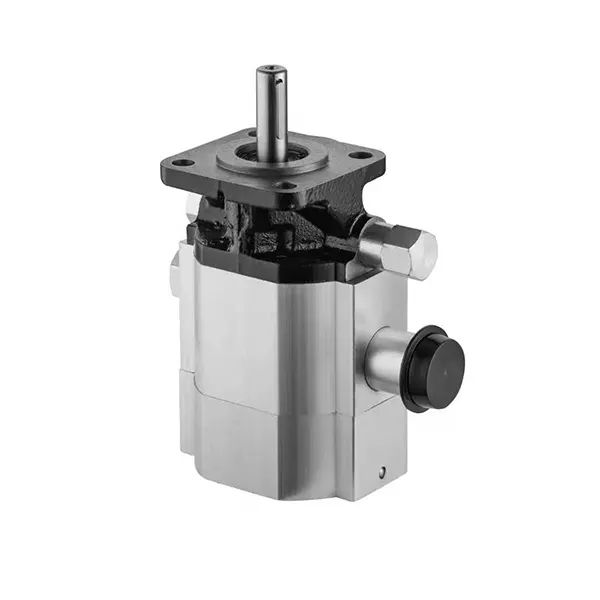
Versatile Applications Beyond Log Splitting
While primarily designed and optimized for log splitters, the robust engineering and adaptable performance characteristics of the GBC CBNA-13/3.0 hydraulic pump extend its utility across a surprisingly diverse range of applications. Its ability to deliver both high flow for speed and high pressure for force makes it a versatile power source for various hydraulic systems beyond wood processing.
This pump is an ideal component for machine tools, where precise and powerful hydraulic actuation is often required. It can also be effectively integrated into trash compactors, providing the necessary force for compression, and in hydraulic presses for various manufacturing and assembly operations. Furthermore, its reliable performance makes it suitable for powering snowplow hydraulic systems, particularly in regions that experience heavy snowfall. For custom equipment builders and serious DIY enthusiasts in Australia, the CBNA-13/3.0 offers a dependable and high-performance core for constructing bespoke hydraulic power units for a multitude of purposes, from specialized agricultural implements to workshop machinery. Its standardized inlet and outlet ports, along with its common shaft diameter and rotation, facilitate easier integration into diverse systems, enhancing its "plug and play" compatibility.
How to Select the Right Hydraulic Pump
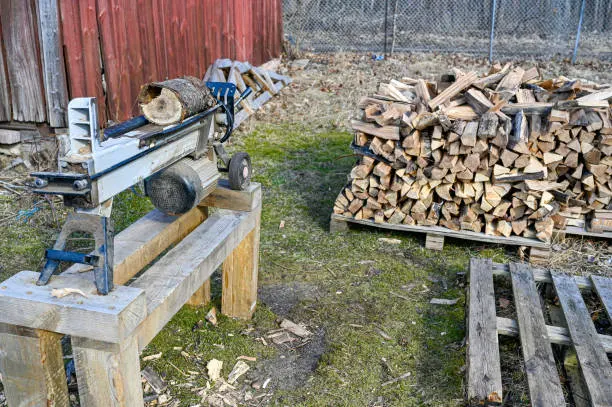
Selecting the appropriate hydraulic pump for a log splitter or other hydraulic application involves careful consideration of several key factors to ensure optimal performance, efficiency, and longevity.
Firstly, Flow Rate (GPM) and Maximum Pressure (PSI) are paramount. The flow rate dictates the speed of the hydraulic cylinder's movement, while the pressure determines the splitting force (tonnage) the system can generate. For log splitters, a higher GPM (e.g., 13 GPM or 16 GPM) in the low-pressure stage ensures fast ram extension, while a high PSI (e.g., 2900-3000 PSI) is crucial for splitting tough hardwoods. The GBC CBNA-13/3.0, with its 13/3.0 ml/r displacement and 20 MPa (2900 PSI) maximum pressure, offers a balanced combination for effective splitting.
Secondly, consider the Shaft Diameter and Direction of Rotation. Most log splitter pumps feature a 1/2-inch keyed shaft and operate with a clockwise (CW) rotation. Ensuring compatibility with the engine's output shaft is vital for direct mounting.
Thirdly, match the pump's requirements with the Engine Horsepower (HP). While a 2-stage pump is efficient, it still needs sufficient engine power to drive it effectively. For pumps like the CBNA-13/3.0, engines in the 5-7.5 HP range are typically recommended for optimal performance.
Finally, the pump must be matched to the Log Splitter Tonnage and the Type of Wood being split. A larger cylinder bore on the log splitter will generate more force at the same PSI. For splitting tough Australian hardwoods like ironbark or eucalyptus, a pump capable of high pressure (like 2900 PSI) combined with an appropriately sized hydraulic cylinder (e.g., 4-inch or 5-inch bore) is essential to achieve the required splitting force (e.g., 20-50 tons). Careful consideration of these factors ensures a hydraulic system that is both powerful and efficient for the intended application.
Maintaining Your Hydraulic Log Splitter Pump
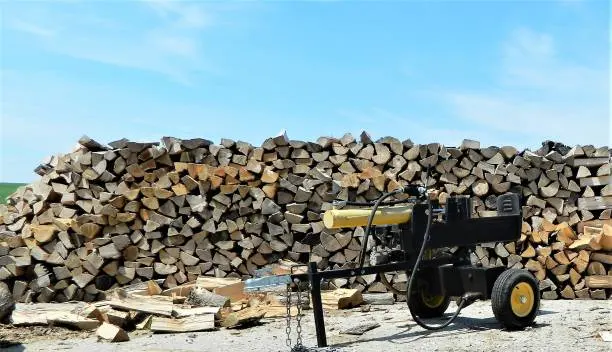
Proper maintenance of a hydraulic log splitter pump is crucial for ensuring its longevity, optimal performance, and safe operation. Regular checks and adherence to a maintenance schedule can prevent costly repairs and extend the lifespan of the equipment.
Fluid Management: Hydraulic fluid is the lifeblood of the system. Regularly checking the hydraulic oil level is paramount, as low fluid can lead to slow movement, reduced splitting force, and even pump damage due to air cavitation. The recommended hydraulic oil for most log splitters is AW32 or AW46. It is important to use the correct viscosity and avoid mixing different types of oils. While hydraulic oil generally lasts a long time, it should be changed if it appears excessively dirty, milky (indicating water contamination), or smells burnt. Regular oil sampling and testing can provide insights into contamination levels and fluid degradation.
Filter Inspection and Replacement: Hydraulic and air filters play a critical role in preventing contaminants from entering and damaging the system. Clogged filters can restrict oil flow, leading to reduced power and overheating. Filters should be checked regularly (e.g., every three months or more frequently with heavy use) and replaced as needed. Some systems have filter indicators that signal when a filter has reached its maximum capacity.
Hose and Fitting Checks: All hydraulic hoses, pipes, and fittings should be inspected periodically for signs of wear, bubbles, leaks, kinks, or corrosion. Leaks, even small pinhole ones, can be dangerous due to high fluid pressures and can lead to fluid loss and system inefficiency. Loose fittings should be tightened immediately.
Troubleshooting Common Issues:
- Slow Movement / Loss of Driving Force: Often indicates low hydraulic fluid, air in the lines, or clogged filters. Check oil levels, bleed air from the system, and inspect/replace filters. Cold temperatures can also make oil more viscous, temporarily slowing down operation.
- Not Splitting Wood / Bogging Down: If the engine bogs down, the pump might be stuck in its first (high-flow/low-pressure) stage. If the engine bogs slightly but doesn't stall, a bad cylinder piston seal could be the cause. Ensure the log size is within the splitter's capacity and that the log is centered.
- Vibration or Shaking: Can be a symptom of low hydraulic fluid or air in the lines.
- Ram Not Returning: Could be due to debris obstruction, dislodged spacers, or loose nuts on the piston.
Regular lubrication of moving parts (beam, control levers) and ensuring the splitter is operated on level ground are also important for smooth function and preventing undue stress on components. Always consult the log splitter's owner's manual for specific maintenance instructions and safety guidelines.
Customer Testimonials
| Commercial Firewood Producer, Victoria | Rural Property Owner, Queensland | Equipment Rental Fleet Manager, Western Australia |
| For years, our firewood business in regional Victoria struggled with inconsistent log splitter performance, especially with large, knotty Red Gum. Our old pump would often bog down, slowing production significantly. Since upgrading to the GBC 2-Stage Hydraulic Pump, the difference is night and day. The ram now extends rapidly, and when it hits a tough log, the immense force just powers through without a hint of hesitation. Our cycle times have dramatically improved, allowing us to process almost 30% more cubic meters of firewood per day. GBC's team in Melbourne provided excellent technical advice during selection, ensuring we got the perfect match for our commercial setup. This pump has been a game-changer for our productivity and bottom line. | Maintaining our large acreage in Queensland involves a lot of tree felling and firewood preparation, often dealing with very dense Ironbark. Our previous log splitter pump, from a different supplier, constantly overheated and felt underpowered for the job. After a recommendation, we switched to the GBC CBNA-13/3.0. The installation was straightforward, and the performance is outstanding. It handles Ironbark logs effortlessly, and we've noticed a significant reduction in fuel consumption from our engine. The durability is evident; it runs cool even after hours of continuous use in the harsh Queensland sun. GBC's prompt delivery and helpful pre-sales support made the entire process seamless. | As a rental company in Perth, reliability and ease of maintenance are crucial for our log splitter fleet. We've had issues with various pumps failing prematurely or requiring excessive servicing. We decided to trial the GBC 2-Stage pumps on several of our rental units. The feedback from our customers has been overwhelmingly positive, praising the consistent power and speed. From our perspective, the robust construction means less wear and tear, and the standardized fittings simplify our maintenance routines. GBC's local warehouse in Keysborough ensures we get replacement parts quickly, minimizing downtime for our rental machines. This has significantly improved our fleet's uptime and customer satisfaction. |
| DIY Log Splitter Builder, New South Wales | Agricultural Contractor, South Australia | |
| I've been building custom log splitters for my property and a few friends for years, and finding a reliable, high-performance pump at a good price has always been a challenge. I stumbled upon the GBC CBNA-13/3.0 and decided to give it a try for my latest 30-ton build. I was thoroughly impressed. The pump's ability to quickly extend the ram and then deliver powerful force for splitting is exceptional. It integrated perfectly with my chosen engine and cylinder. The technical specifications provided by GBC were precise, making the selection process easy. This pump has elevated the performance of my homemade splitter to a professional level, handling tough Eucalyptus logs with ease. | Our agricultural contracting business relies on robust hydraulic equipment for various tasks, including land clearing and fence post installation. We needed a versatile hydraulic power source that could handle intermittent heavy loads. The GBC CBNA-13/3.0 pump has proven to be incredibly adaptable. We've used it in a custom power unit to drive a post splitter, and it performs flawlessly, delivering consistent force even on large, seasoned timber posts. The pump's efficiency means our tractor's engine isn't constantly straining, which is great for fuel economy. GBC's team understood our unique application needs and provided excellent guidance, reinforcing their reputation as a reliable hydraulic solutions provider in South Australia. |
These testimonials collectively demonstrate the GBC CBNA-13/3.0 pump's effectiveness across diverse Australian applications, highlighting its power, efficiency, durability, and the value of GBC's local support.
Related Products and System Components
To provide a comprehensive solution and enhance the functionality of the GBC CBNA-13/3.0 hydraulic pump, several complementary system components are essential for a complete and efficient log splitter setup. GBC, as Ever-Power's Australian agent, can supply a wide range of these high-quality components.
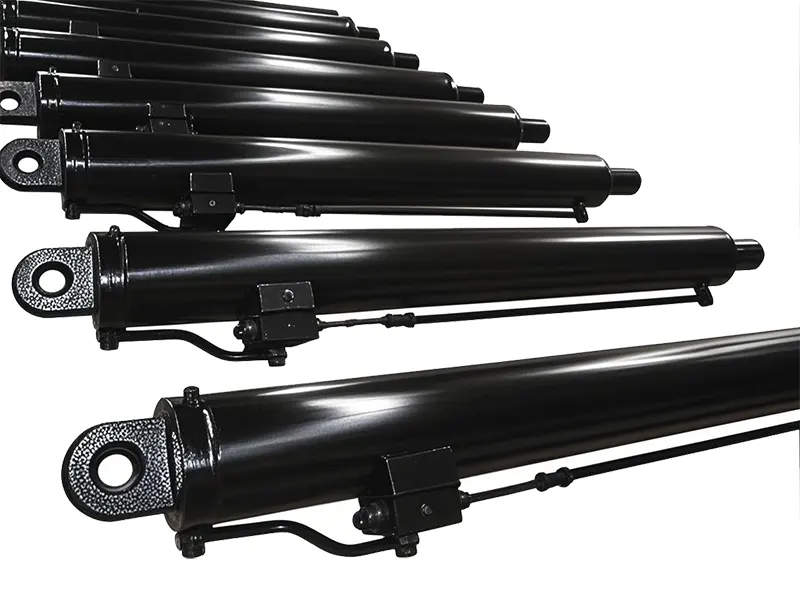
Hydraulic Cylinders: These are the actuators that convert hydraulic pressure into linear force to split logs. They come in various bore sizes (e.g., 4-inch, 5-inch) and stroke lengths (e.g., 24-inch, 30-inch), directly influencing the splitting force (tonnage) and the maximum log length that can be processed. A larger bore cylinder will generate more force at a given PSI.
Log Splitter Control Valves: These valves direct the flow of hydraulic fluid to the cylinder, controlling the ram's extension and retraction. Most log splitter valves feature an auto-return detent, which automatically shifts the valve back to neutral when the cylinder completes its stroke, improving efficiency and operator convenience. They also typically include a built-in adjustable inlet relief valve to limit maximum system pressure.
Hydraulic Hoses and Fittings: High-pressure hoses and durable fittings are crucial for safely conveying hydraulic fluid throughout the system. They must be rated for the system's maximum pressure and resist wear, kinking, and leaks. GBC offers a range of hoses and fittings to ensure secure and reliable connections.
Pump Mounting Brackets and Couplings: These components are essential for securely connecting the hydraulic pump to the engine's shaft. Mounting brackets ensure proper alignment, while flexible couplings (e.g., Lovejoy style jaw couplings) transmit power smoothly while absorbing minor misalignments and vibrations, protecting both the engine and the pump.
Hydraulic Oil and Filters: Beyond the pump itself, the quality of hydraulic oil and the effectiveness of filtration are paramount. High-quality hydraulic oil (e.g., AW32 or AW46) ensures proper lubrication, heat transfer, and system efficiency. Hydraulic filters (e.g., return line filters, suction strainers) are vital for removing contaminants from the oil, preventing wear and damage to precision components like the pump and valves.
By offering a comprehensive suite of these related components, GBC ensures that customers can source a complete, high-performance hydraulic system, guaranteeing compatibility and maximizing the overall efficiency and lifespan of their log splitter or other hydraulic equipment.
Your Partner for Hydraulic Power in Australia
The GBC CBNA-13/3.0 Hydraulic 2-Stage Log Splitter Pump stands as an exemplary solution for anyone seeking robust, efficient, and reliable hydraulic power in Australia. This pump's intelligent 2-stage design delivers unparalleled performance, offering both rapid cycle times for swift operation and immense splitting force to tackle even the most challenging Australian hardwoods like Ironbark, Red Gum, and Eucalyptus. Its optimized horsepower consumption translates directly into significant fuel savings and reduced operational costs, making it a smart investment for both commercial enterprises and residential users.
Backed by Ever-Power's global manufacturing excellence, including advanced production techniques and rigorous quality control processes, the CBNA-13/3.0 pump is built for exceptional durability and longevity. This commitment to quality is further reinforced by GBC's deep-rooted local presence in Australia, providing expert sales, comprehensive technical support, and readily available spare parts. GBC's customer-focused approach ensures that every client receives tailored solutions and prompt assistance, minimizing downtime and maximizing productivity.
For businesses and individuals across Australia, choosing the GBC CBNA-13/3.0 means partnering with a legacy of engineering precision and dedicated local service. It represents a commitment to superior performance, cost-efficiency, and long-term reliability in hydraulic applications. Discover the difference that true hydraulic power, backed by unparalleled support, can make for your operations. Contact now!
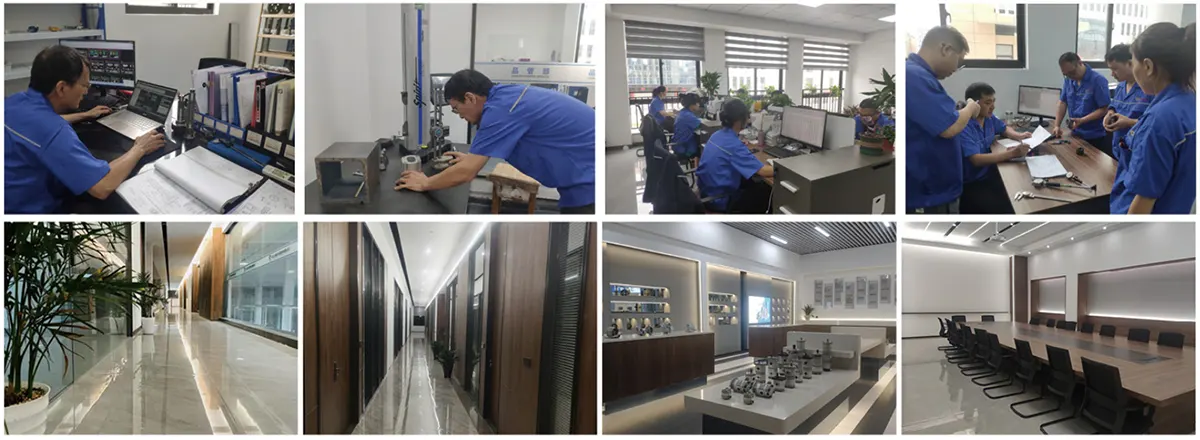
The GBC CBNA-13/3.0 Hydraulic 2-Stage Log Splitter Pump represents a pinnacle of engineering designed for superior efficiency and unwavering durability across demanding wood-splitting operations. This high-performance component delivers a crucial blend of rapid ram extension at low pressure and immense splitting force at high pressure, making it exceptionally suited for the diverse and often challenging timber varieties found throughout Australia. As a vital element for both residential and commercial log splitters, this pump is instrumental in achieving optimal productivity and contributing to reduced operational costs for users.
Related products
-
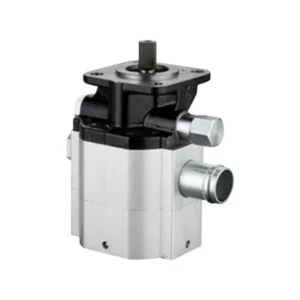
Hydraulic 2-Stage Log Splitter Pump 4.0 GPM 2900 PSI CW Rotation – 2CB-E8.8/1.8
-
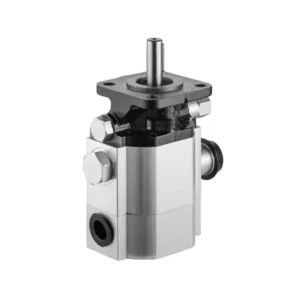
Hydraulic 2-Stage Log Splitter Pump 2.3 GPM 2900 PSI CW Rotation – 2CB-E8.8/2.1
-
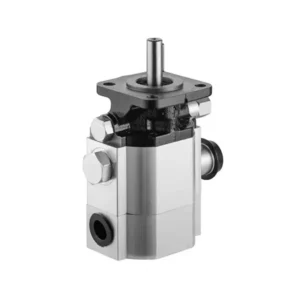
Hydraulic 2-Stage Log Splitter Pump 4.0 GPM 3000 PSI CW Rotation – CBNA-15/3.0
-
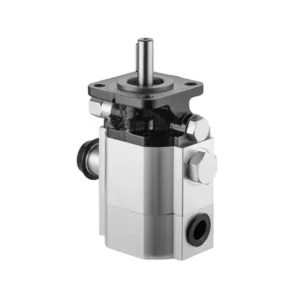
Hydraulic 2-Stage Log Splitter Pump 3.4 GPM 2900 PSI CW Rotation – 2CB-E13/1.8
-
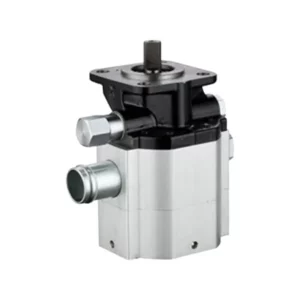
Hydraulic 2-Stage Log Splitter Pump 1.1 GPM 2900 PSI CW Rotation – 2CB-4.2/1.0
-
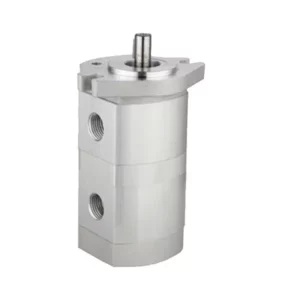
Hydraulic 2-Stage Log Splitter Pump 0.9 GPM 3600 PSI CW Rotation – GHP-F3.5/F3.5R