Ratchet Torque Limiter for PTO Shaft
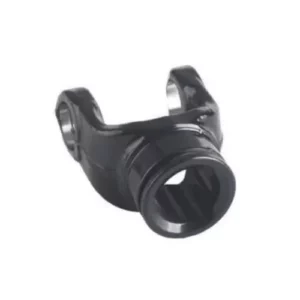
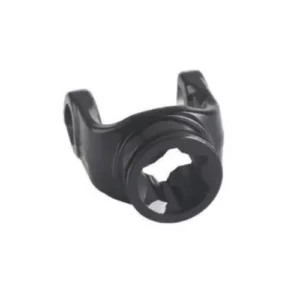
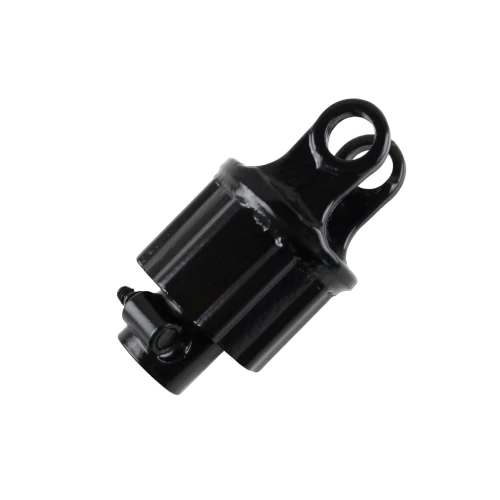
The Ratchet Torque Limiter (also called a pawl-type torque limiter or ratchet safety clutch) is a mechanical overload device that uses spring-loaded pawls engaging a toothed hub to transmit torque. When the load exceeds the preset threshold, the pawls disengage and ratchet over the teeth, producing an audible clicking sound that alerts the operator while allowing the input side to freewheel. Once the overload clears, the pawls re-seat automatically. Rated from 400 Nm to 2000 Nm across the SA1 through SA5 and SAS1 through SAS5 series, this limiter suits lighter-duty PTO applications where occasional overloads occur. Its compact design, positive torque cut-off and self-resetting mechanism make it a popular choice for spreaders, small mowers and seed drills across Australian farms.
PTO Ratchet Torque Limiter – Pawl-Type Overload Protection with Automatic Reset
The PTO ratchet torque limiter, also referred to as a pawl-type safety clutch or ratchet overload coupling, provides positive torque cut-off and automatic re-engagement for PTO-driven implements. Spring-loaded pawls engage precisely machined teeth on the hub under normal loads. When torque spikes beyond the spring setting, the pawls ride over the teeth, producing an unmistakable ratcheting sound that warns the operator while disconnecting the drive. GBC supplies ratchet torque limiters covering 400 Nm to 2000 Nm across the SA1–SA5 and SAS1–SAS5 series ranges.
Technical Specifications
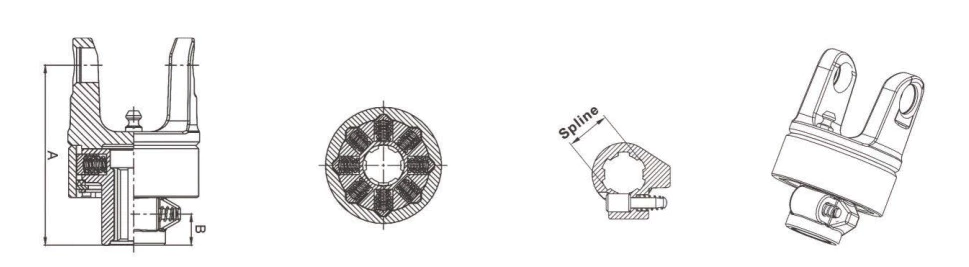
| Series | Setting Torque (Nm) | Spline | A (mm) | B (mm) | Pawl Qty |
|---|---|---|---|---|---|
| 1SA1–4SA1 / SAS1 | 400 | 1 3/8"Z6 | 138–150 | 21 | 8 |
| 1SA2–8SA2 / SAS2 | 800 | 1 3/8"Z6 | 156–189 | 21 | 16 |
| 2SA3–8SA3 / SAS3 | 1200 | 1 3/8"Z6 | 171–204 | 22 | 24 |
| 5SA4–6SA4 / SAS4 | 1600 | 1 3/8"Z6 | 206–212 | 22 | 32 |
| 6SA5 / SAS5 | 2000 | 1 3/8"Z6 | 231 | 22 | 40 |
Key Features
The ratcheting sound immediately alerts the operator that an overload condition is occurring.
Unlike friction clutches that slip gradually, the ratchet provides a sharp, defined disconnect point.
Pawls re-engage automatically once input torque falls below the threshold – no manual intervention.
Shorter axial length than friction disc limiters, fitting tight spaces between tractor and implement.
Hardened steel pawls and precision-ground teeth ensure thousands of engagement cycles without wear.
Higher torque models simply use more pawls (8 to 40), maintaining the same proven mechanism.
How a Ratchet Torque Limiter Operates
Spring-loaded pawls sit in recesses within the housing and engage with teeth machined into the hub. Under normal torque, the springs keep the pawls locked in position, transmitting full power. When an overload pushes torque past the spring pre-load, each pawl is forced out of its tooth, riding over to the next tooth and creating the characteristic clicking noise. The housing freewheels relative to the hub until torque subsides, at which point the springs push the pawls back into the teeth and drive resumes. This cycle can repeat indefinitely without component damage.
Typical Agricultural Applications
Blockages in seed delivery tubes or metering mechanisms trigger the ratchet, preventing drive chain damage.
Light-duty finishing mowers benefit from the sharp disconnect when striking fence posts or debris.
Frozen or compacted manure creates sudden loads. The ratchet protects the spreading mechanism and gearbox.
Rocky soil conditions demand reliable protection for smaller tillage equipment without the bulk of a friction clutch.
Torque Limiter Type Comparison
| Attribute | Ratchet (Pawl) | Shear Bolt | Friction Disc | Automatic (Cam) |
|---|---|---|---|---|
| Torque Range | 400–2000 Nm | 570–4500 Nm | 800–3000 Nm | 1600–4500 Nm |
| Disconnect Type | Positive – ratchet click | Destructive – bolt fracture | Progressive – slip | Positive – cam release |
| Ideal For | Light-to-medium duty | Infrequent heavy shocks | Frequent overloads | Heavy-duty auto-reset |
Installation & Maintenance
- Disengage PTO and shut down the tractor before installation.
- Match the limiter spline (1 3/8" Z6) to the implement input shaft and slide into place.
- Secure with the push pin kit and verify the dust guard ring seats properly to exclude debris.
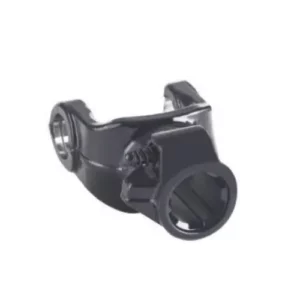
- Attach the housing with yoke to the PTO shaft universal joint.
- Grease via the grease nipple and test at low RPM.
⚠ Note: Never operate a ratchet limiter in sustained overload mode – the pawls are designed for intermittent engagement, not continuous ratcheting.
Selection Guide
- Torque Requirement: Match the setting torque (400–2000 Nm) to your implement specifications.
- Pawl Count: Higher-torque models use more pawls for smoother engagement and load distribution.
- SAS vs SA: SAS series includes a splined shaft for direct implement connection; SA series uses a housing with yoke.
- Space Constraints: Ratchet limiters have a shorter axial length than equivalent friction types.
Quality & Service
Manufactured under ISO 9001:2015 with CE certification. Each unit is dynamically tested before shipping. 12-month warranty with fast Australian dispatch. Email sales@australia-drive.com for technical assistance.
Frequently Asked Questions
What causes the clicking sound?
The pawls riding over the hub teeth create the ratcheting noise, which serves as an audible overload warning.
How long do the pawls last?
Hardened pawls typically last thousands of engagement cycles. Replace when visible wear affects engagement.
Is the ratchet limiter suitable for high-speed PTO?
Ratchet limiters are best suited for 540 RPM operation. At 1000 RPM the ratcheting frequency increases and may cause accelerated pawl wear.
Can I adjust the torque setting?
The torque setting is determined by the pawl spring strength and number of pawls. Changing the torque typically requires selecting a different series.
Customer Reviews
“Fitted the SAS2 on our seed drill – the clicking sound is a great warning when something jams. Saves us checking the drill constantly.”
“Compact and reliable. The 3SA2 fits perfectly on our finishing mower where a bigger friction clutch would not.”
“Decent unit for the price. Works well on our small manure spreader. Would rate five stars if a torque-adjustment feature were built in.”
“Third year running the SA3 on our vineyard spreader. Zero issues, zero maintenance.”
“Fast delivery to Perth and great build quality. The ratchet mechanism is smooth and the dust guard keeps things clean.”
Related Products
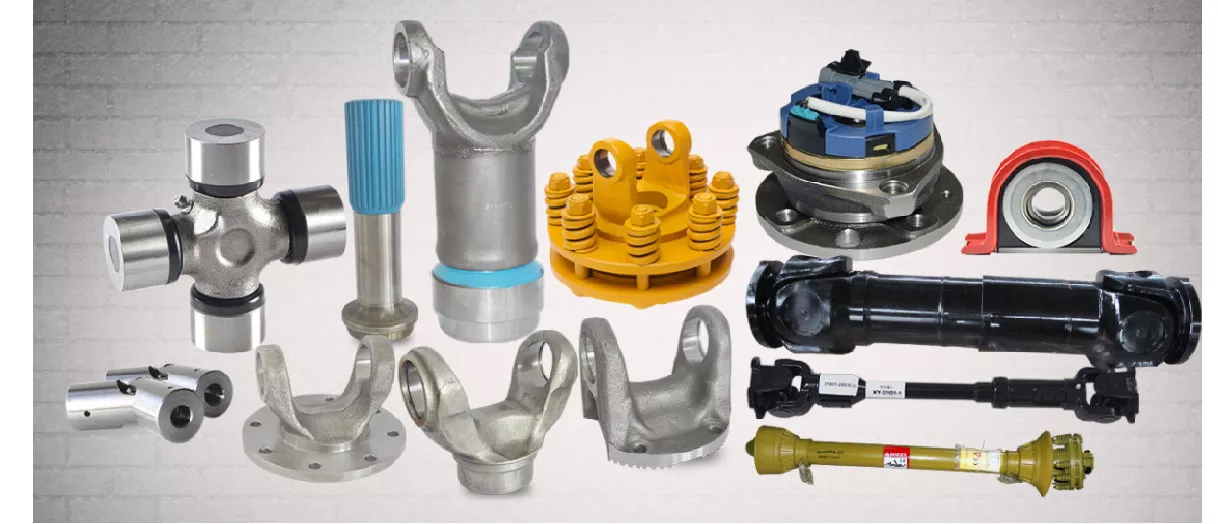
Explore GBC’s full PTO driveline range: complete PTO shafts, yokes, shields, adapters and universal joints.
Protect Your Light-Duty Implements Today
Talk to our team about the right ratchet torque limiter for your farm. Australia-wide delivery.
Email: sales@australia-drive.com
The Ratchet Torque Limiter (also called a pawl-type torque limiter or ratchet safety clutch) is a mechanical overload device that uses spring-loaded pawls engaging a toothed hub to transmit torque. When the load exceeds the preset threshold, the pawls disengage and ratchet over the teeth, producing an audible clicking sound that alerts the operator while allowing the input side to freewheel. Once the overload clears, the pawls re-seat automatically. Rated from 400 Nm to 2000 Nm across the SA1 through SA5 and SAS1 through SAS5 series, this limiter suits lighter-duty PTO applications where occasional overloads occur. Its compact design, positive torque cut-off and self-resetting mechanism make it a popular choice for spreaders, small mowers and seed drills across Australian farms.