
Logistics — Inclined Belt Conveyor Systems — Precision Worm Gear Solutions for Australia
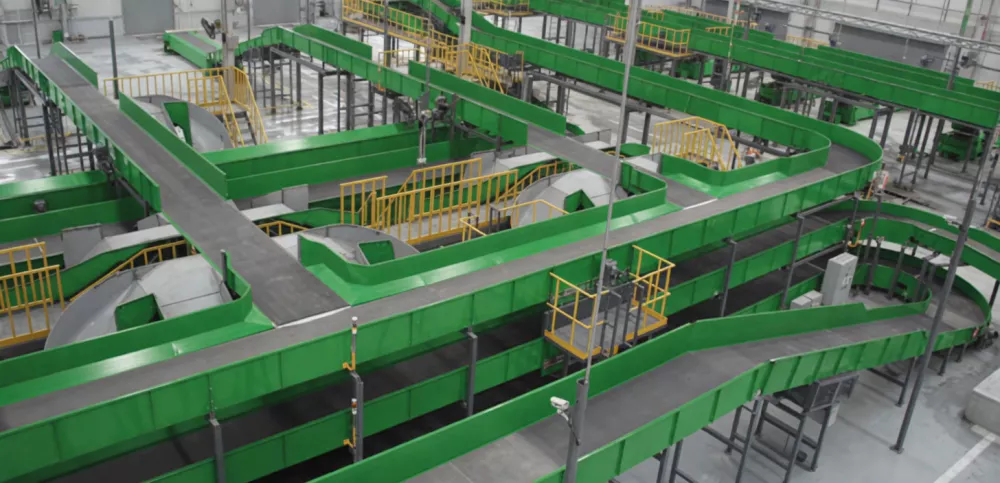
Operating across a continent defined by hot warehouse environments where radiant heat from metal roofing compounds gearbox thermal loads, dusty inbound dock areas, and the gravitational pull on loaded belts that never sleeps, Australian industry demands drive components that perform without compromise. Inclined conveyors are the workhorses of Australian logistics — from parcels climbing to a mezzanine in Altona to cartons descending to truck docks in Eastern Creek, gravity is both the challenge and the reason a reliable drive is essential.
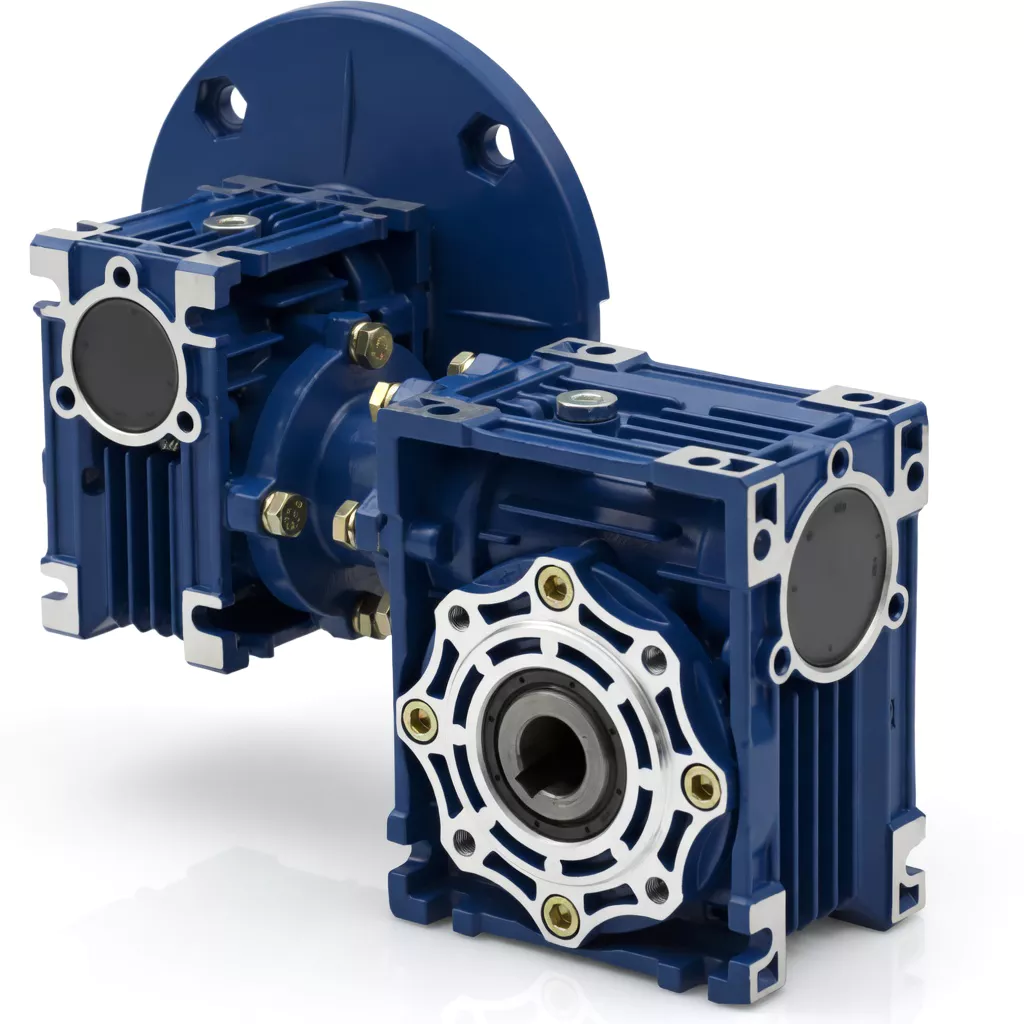
The RV series worm reducer provides the holding torque and controlled speed that inclined conveyors need to safely and efficiently move products between levels in Australian warehousing and distribution operations. Explore our full range of worm gear motors to find the perfect match for your application.
Technical Specifications & Selection Guide
Selecting the right worm gear reducer Australia applications demand starts with matching the technical parameters to your operating conditions. The table below summarises the key specifications of the RV series for logistics inclined conveyor belts applications.
| Parameter | Specification |
|---|---|
| Ratio Range | 10:1 – 80:1 |
| Output Torque | 20 – 1,500 Nm |
| Input Shaft | Ø11 – Ø24 mm |
| Output Shaft | Ø18 – Ø45 mm |
| Housing Material | Die-cast aluminium alloy; cast iron for heavy loads |
| Mounting Type | Foot, flange, torque-arm |
Selection Considerations
Incline conveyors must not roll back under any failure condition. Select a ratio ≥ 30:1 to guarantee self-locking. Calculate the holding torque from the belt’s gravitational load and verify it is below the reducer’s static self-locking capacity. Apply Service Factor ≥ 1.5 for loaded starts on inclines steeper than 20°.
How the RV Series Worm Reducer Serves Logistics — Inclined Belt Conveyor Systems in Australia
Cleated incline conveyors for loose items
The self-locking worm drive reducer prevents belt rollback when the motor stops, keeping individual items secure on the cleated belt surface on inclines up to 45°.
Decline conveyors for gravity-assisted dispatch
Worm gear units act as a controlled brake on descending loads, preventing belt overspeed and ensuring cartons arrive at the dock level at a manageable pace.
Z-frame elevating conveyors
Heavy-duty speed reducers handle the combined torque of lifting products vertically and then transitioning to horizontal run-out, with the self-locking feature holding the load during emergency stops.
Australian Case Studies — Proven Performance in the Field
The following real-world examples demonstrate how the RV series worm reducer has solved critical drive challenges for Australian operators in the logistics — inclined belt conveyor systems sector.
Case 1: Altona 3PL Warehouse, VIC
Equipment: 18° incline conveyor to mezzanine pick level
Challenge: Belt rollback on power failure dropped cartons onto workers below
Solution & Result: NMRV063 self-locking ratio 40:1 holds load under all failure scenarios; zero rollback incidents in 24 months
Case 2: Eastern Creek Distribution, NSW
Equipment: Decline conveyor from packing level to dock
Challenge: Overspeed on heavy cartons caused pile-ups at discharge end
Solution & Result: RV series acts as regenerative brake; conveyor speed stable at 0.8 m/s regardless of load weight
Case 3: Perth Airport Freight Terminal, WA
Equipment: Z-frame elevating conveyor for air-cargo containers
Challenge: Emergency stop on loaded belt caused belt joint failure
Solution & Result: Self-locking NMRV075 absorbed emergency-stop load; belt joint intact after 500+ e-stop events
Compliance & Quality Standards
Every RV series worm reducer is manufactured under a rigorous quality management system and carries the certifications that Australian industry expects.
- ISO 9001:2015 — Certified quality management across design, manufacturing, and testing
- CE Certification — Compliant with European Machinery Directive 2006/42/EC
- IEC Motor Interface — Input flanges conform to IEC 60072, ensuring compatibility with motors from all major Australian electrical suppliers
- NEMA Adapter Option — NEMA C-face adapters available for legacy American-built equipment still in service across Australian plants
- Protection Rating: IP65 standard; IP66 available — engineered to withstand Australia’s harsh outdoor and wash-down environments
Why Choose Us as Your Worm Reducer Partner in Australia?
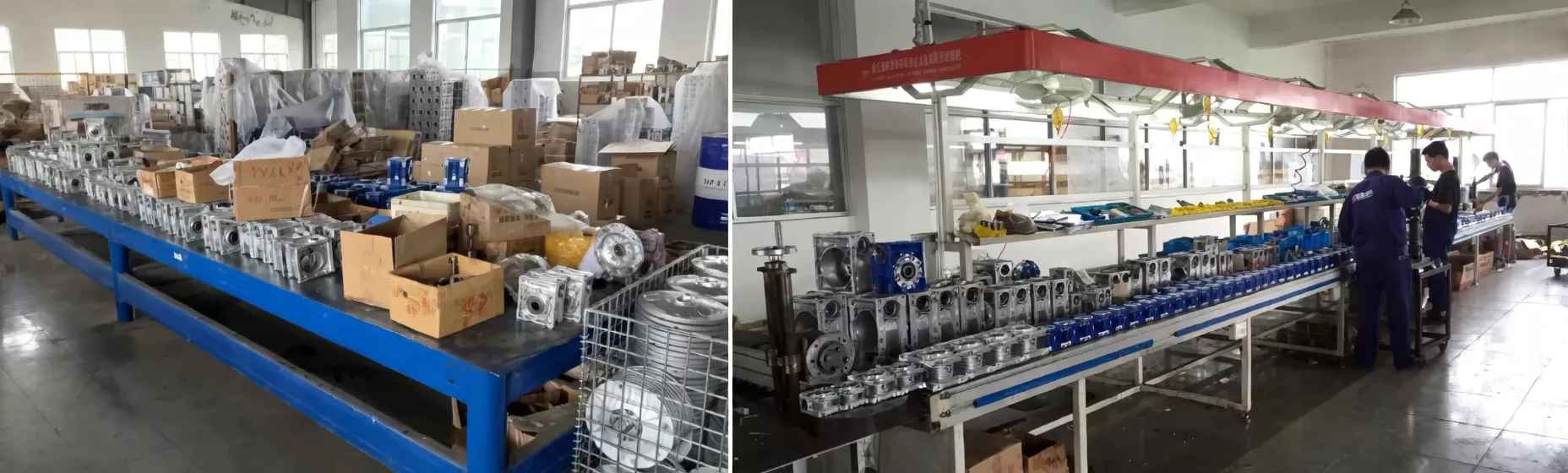
When you source RV series worm reducers through us, you gain more than a product — you gain a technical partnership. Learn more about us and the value we bring to Australian industry.
Remote Technical Support
Our engineering team provides real-time assistance via video call, email, and phone — covering every time zone across Australia, from Perth to Sydney.
OEM / ODM Customisation
We support non-standard shaft dimensions, special mounting configurations, custom housing materials, and private-label branding for volume OEM programmes.
High Value & Fast Delivery
Competitive factory-direct pricing combined with stocked inventory in commonly-used frame sizes means your project stays on schedule and on budget.
Australia-Wide Logistics
We ship to metro, regional, and remote Australian addresses with tracked freight, express options, and bulk-project staged delivery.
Frequently Asked Questions — Logistics — Inclined Belt Conveyor Systems
Ready to Upgrade Your Logistics — Inclined Belt Conveyor Systems Drive System?
Whether you need a single replacement unit or a bulk order for a major project, our team is ready to help you select, customise, and deliver the right RV series worm reducer for your Australian operation.
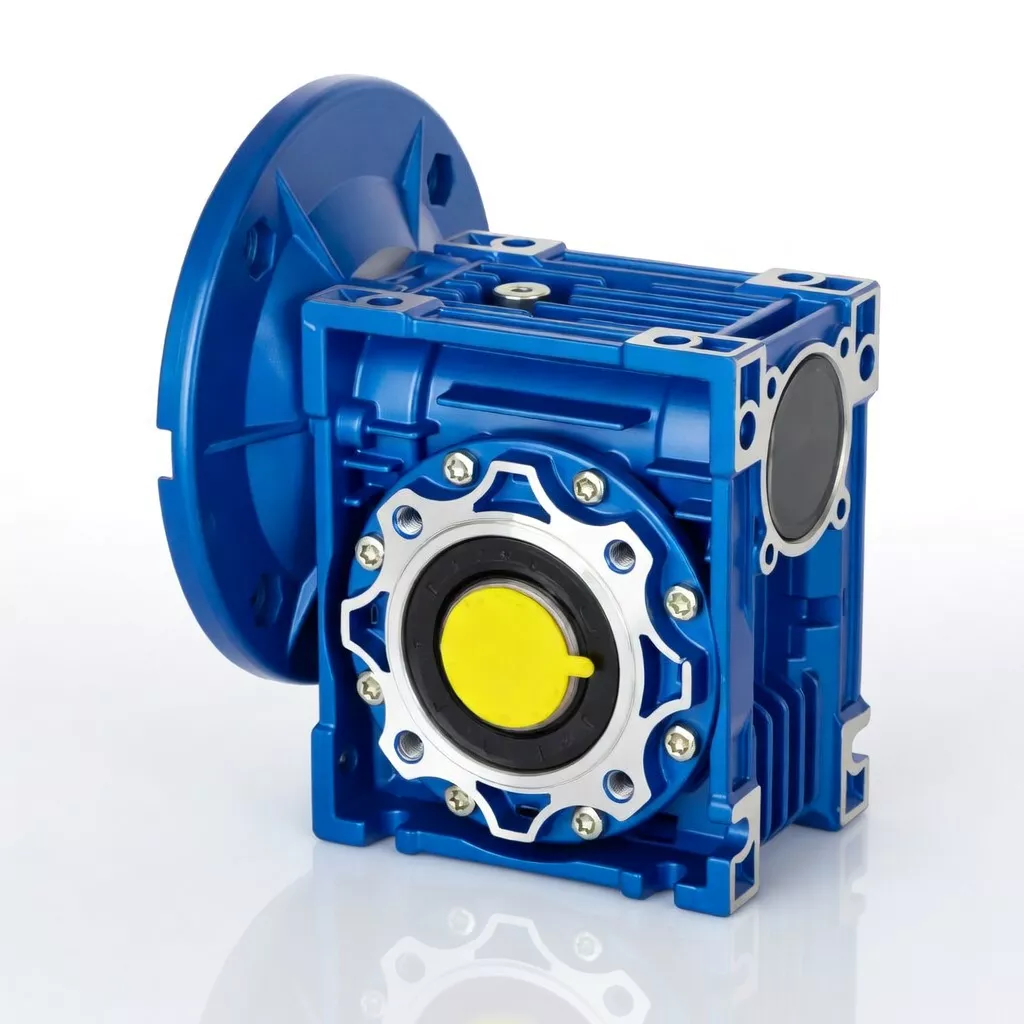
Need expert guidance? Contact our technical team for free selection assistance.