
Worm Gearbox for Heavy Duty Mining Winch / Hoist: A Complete Guide for Australian Operators
In Australia’s deep underground mines — the nickel mines around Kambalda, the gold operations of Kalgoorlie, the zinc–lead mines of Mt Isa — shaft winches and emergency hoists are safety-critical equipment. Failure is not an option. The worm reducer driving a winch or hoist is entrusted with lifting loads, controlling descent and, in an emergency, holding a stationary load for as long as necessary. This is where self-locking geometry, correctly specified service factors and Australian-grade engineering come together.
Hoist and winch gearboxes live a punishing life. Peak torques during acceleration can be several times the nominal running torque. The duty cycle is S3 (intermittent), meaning the unit repeatedly heats and cools. And in a mine shaft the ambient can swing from the warmth of the headframe to the cool damp of the winding room. Our heavy-duty speed reducers for this application are engineered with oversized bearings, ground-and-lapped gear pairs, and integrated back-stop interfaces — and every unit is load-tested to 1.5× rated torque before leaving the factory.
Reliability on a heavy duty mining winch / hoist is not luck — it is the cumulative outcome of correct sizing, appropriate materials, sealing suited to the climate, and lubrication matched to duty.
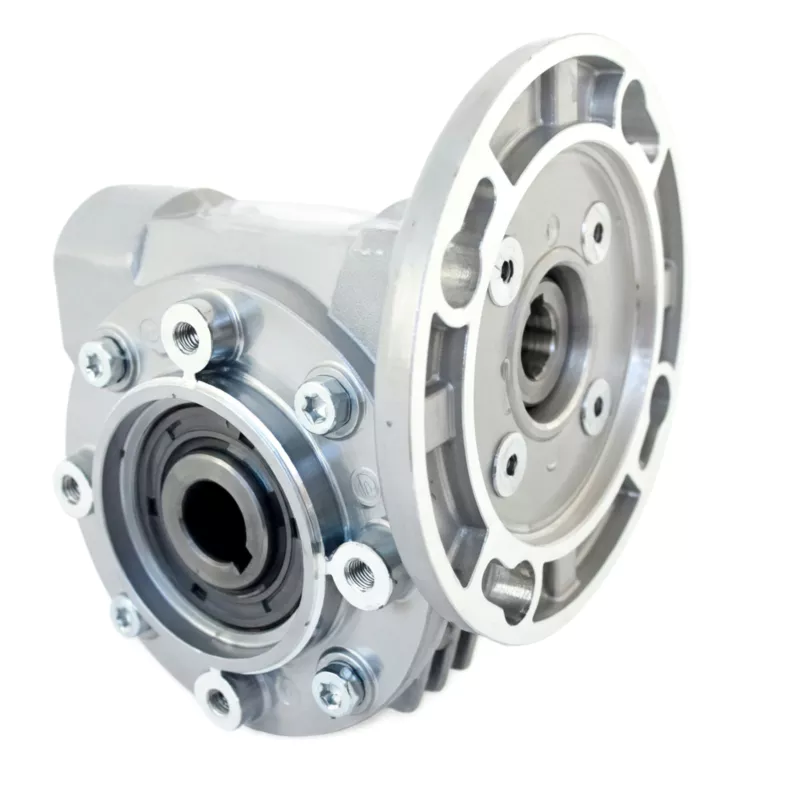
Typical worm gearbox configuration for heavy duty mining winch / hoist duty
Understanding the Role of the Worm Reducer in Your Heavy Duty Mining Winch / Hoist
A mining winch drive typically combines an IEC flameproof or standard TEFC motor, a brake, a worm gearbox and the drum shaft. The self-locking property of the worm gearbox at ratios of 40:1 and above gives an additional passive safety layer: even if the brake fails, a correctly specified worm reducer will hold the load stationary through friction alone. On emergency egress hoists — critical in Australian mines under AS/NZS safety guidelines — this self-locking behaviour is mandatory.
The gearbox itself is supplied in either heavy cast steel (for the largest sizes) or reinforced ductile iron housing. The worm is induction-hardened to HRC 60 on the flanks and precision-ground, while the worm wheel is cast in a high-strength tin bronze (CuSn12Ni). Taper roller bearings are fitted at both ends, with the axial thrust side designed to take the full stalled rotor load of the motor without brinelling. Housings include a machined mounting face for a cam-and-roller back-stop where the application requires a belt-and-braces safety solution.
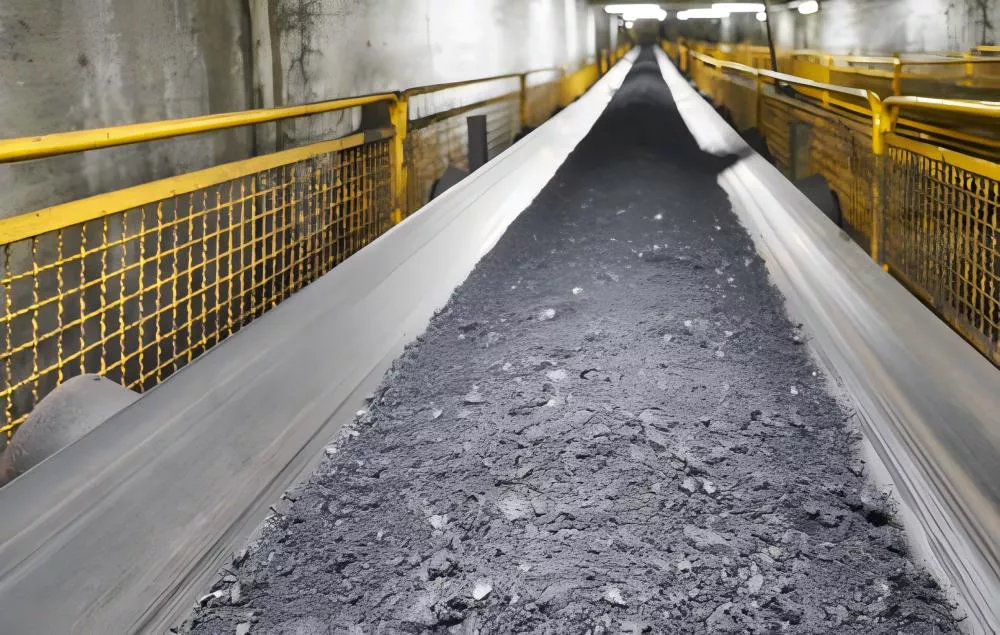
| Key construction: heavy cast steel or reinforced high-strength ductile iron housing. |
Keyword focus: heavy duty worm reducer for mining winch Australia.
Proven Performance — Australian Case Studies
These are real Australian deployments where our worm gear reducers solved documented site problems. Names and exact locations are withheld for commercial confidentiality.
Asset: Personnel cage hoist, 75 kW drive. Problem: Competitor unit showed gear pitting at 14 months despite low running hours. Action: Supplied size 225 cast steel worm gear unit with service factor 2.0 and ground DIN 3 gearing. Result: Annual inspection shows no measurable wear after 4 years of duty.
Asset: Anchor winch, 45 kW drive. Problem: Salt spray and humid tropics caused rapid surface corrosion and seal degradation. Action: Specified a C5-M epoxy paint, stainless fasteners and a Viton double-lip sealing package. Result: Six seasons of service without refurbishment.
Asset: Material hoist, 37 kW drive. Problem: Repeated brake failures exposed the need for passive hold-back capability. Action: Replaced helical unit with high-ratio worm gearbox (80:1) providing self-locking, plus a shaft-mounted back-stop for redundancy. Result: Eliminated ‘runaway’ risk per site safety review; no incidents in 30 months.
Asset: Shearer haulage winch, 55 kW drive. Problem: Shock loading from stop-start caused flex coupling and gearbox shaft failures. Action: Installed a worm reducer with fluid coupling on input and reinforced output-shaft keyway. Result: Drivetrain life extended from 10 months to beyond 3 years.
Asset: Rope haulage winch, 30 kW drive. Problem: Exposed installation suffered UV damage and water ingress during storms. Action: Supplied gearbox with UV-stable housing paint, IP66 seals, and canopy-mounted desiccant breather. Result: No gearbox servicing required at 30-month review.
Technical Specifications & Selection Guide
These are the working envelopes our standard range covers. Non-standard bores, specialised flanges, and custom torque-arm geometries are available as an OEM option — just get in touch.
| Parameter | Specification / Range |
|---|---|
| Ratio Range | 15:1 to 100:1 single stage |
| Output Torque | 800 Nm to 60,000 Nm |
| Input Power | 2.2 kW to 400 kW |
| Input Shaft | IEC B5 flange, with adapter for brake motor |
| Output Shaft | Solid Ø60–Ø180 mm with flange coupling option |
| Housing Material | Cast steel or ductile iron (EN-GJS-600-3) |
| Mounting | Foot with dowel locating, machined back-stop interface |
| Protection | IP65, IP66 with protective labyrinth |
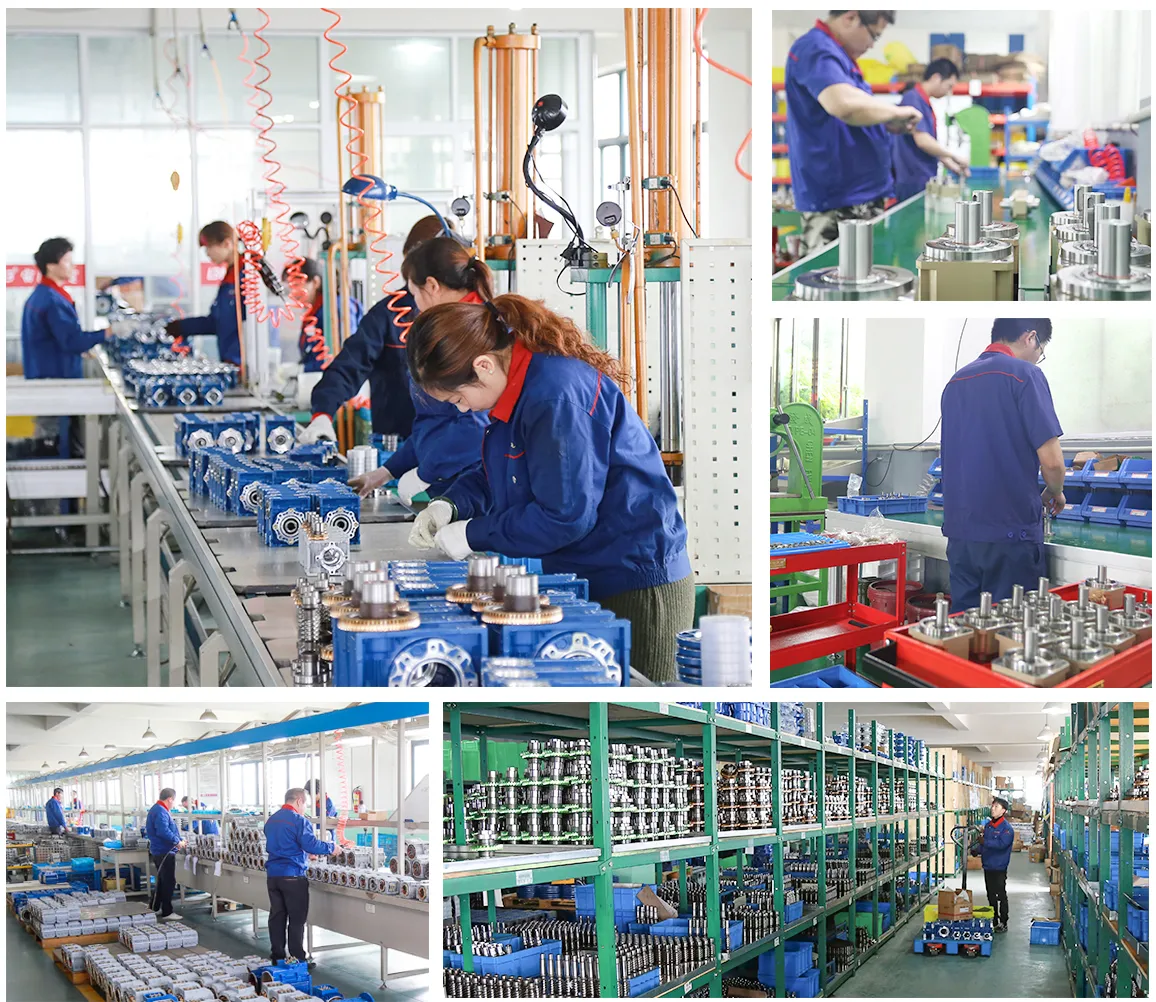
Standards & Certifications
Compliance is non-negotiable on Australian industrial sites. Our units carry the certifications and ingress ratings that site engineers and insurers expect.
You can learn more about us, browse our full range of worm gear motors, or jump straight to the detailed worm reducer page for technical downloads.
Six Reasons Australian Engineers Specify Our Gearboxes
We have spent decades building gearboxes that survive Australian service. This is what that experience buys you.
Four generations of worm gear production know-how, with a dedicated engineering team serving mining, agriculture, food, water and construction clients across Australia.
Australia-timezone engineering support via phone, email and video call, with selection calculators, drawing packs and installation guides available on request.
Non-standard shaft geometries, flange drillings, housing paint systems, and torque-arm designs are routine — our engineers will match your exact mechanical interface.
Direct-from-factory pricing with logistics to any Australian capital and major regional centre, competitive against premium European brands while meeting the same specifications.
Regular sea-freight consolidation to Sydney, Melbourne, Brisbane, Perth and Adelaide, with in-country distribution partners for same-week delivery on stocked sizes.
Every unit is bench-tested for noise, vibration, running temperature and oil seal integrity before it leaves the factory, with a test certificate shipped in the documentation pack.
Frequently Asked Questions
Common questions from Australian engineers, procurement managers and maintenance supervisors — answered in detail.
Is a worm gearbox safe to use on a personnel hoist?
Worm reducers at ratios of 40:1 and above are self-locking under most loading conditions, which makes them inherently suitable for personnel and material hoists when specified correctly. Australian standards (AS/NZS) nonetheless require a separate, independently operated brake for any personnel-rated hoist; the self-locking worm reducer acts as a secondary passive safety layer. Always follow the full compliance requirements of AS 1418.
What service factor should I use for a hoist gearbox?
For intermittent S3 hoist duty with frequent starts and stops, we typically apply a service factor of at least 2.0, and up to 2.5 for personnel-rated or emergency-egress hoists. The higher factor accounts for peak starting torque, repeated acceleration cycles, and the safety margin required for critical applications.
Can the worm gearbox handle backdriving during lowering?
Yes. When lowering a load, the motor decelerates the descent and the gearbox experiences reverse torque. Our units are engineered for full reversal at rated torque, including the thrust reversal that accompanies it. For uncontrolled runaway protection, we recommend specifying a fitted motor brake and, for higher-risk applications, an external back-stop.
How do I size a winch gearbox when the rope tension is known?
Divide the rope tension (N) by the drum radius (m) to obtain the output torque in Nm. Multiply by the service factor (typically 1.8 to 2.5 for winch duty), and then match the result to our gearbox output torque rating. Don’t forget to check thermal capacity if the winch operates continuously.
Does the gearbox need a separate back-stop?
For most Australian winch and hoist installations a self-locking worm gearbox (ratio ≥40:1) provides passive hold-back, but regulatory and site safety reviews often require an independent back-stop device on the low-speed shaft. We can supply gearboxes with a machined interface for common cam-and-roller back-stops, which simplifies retrofit.
Can you supply a complete winch drive package?
Yes — our engineering team offers an end-to-end package including the motor, brake, worm gear unit, back-stop, and coupling. You can contact our technical team with your winch design data for a full solution proposal.
Get the Right Gearbox — First Time
Our team will review your specification, cross-check your service factor, and propose the optimum model — typically within one business day.