
Worm Gearbox for Screw Conveyor / Auger — Built for Australia’s Harshest Operating Conditions
Screw conveyors are the workhorses of dry bulk handling — from alumina refineries in Gladstone, to lithium processing plants in Kwinana, to gypsum handling in South Australia. In each of these Australian settings, the humble worm reducer sits on the shaft of the screw, taking all of the thrust, radial load and abrasive dust that the material throws at it. Get the specification wrong and the auger becomes the single most unreliable piece of kit on the plant. Get it right and it disappears into the plant background for a decade.
The Australian environmental envelope is the defining challenge. In the Pilbara, a screw-conveyor drive can see ambient temperatures swing from 8 °C overnight to 48 °C by mid-afternoon. In Hobart’s grain terminals the air is salt-laden and cool. In Queensland sugar mills the atmosphere is sweet, humid and acidic with molasses vapour. A one-size-fits-all worm gear units Australia approach does not survive these conditions — which is precisely why we engineer our heavy-duty speed reducers around the environment the customer is actually operating in.
Australian Application Detail: Mining Screw Conveyor / Auger
The worm gearbox on a screw conveyor is most commonly shaft-mounted, with a hollow output bore keyed or shrink-disc-clamped directly onto the auger shaft. A torque arm reacts the casing against rotation. This arrangement eliminates a dedicated pedestal bearing, saves footprint, and keeps the drive shaft in near-perfect alignment with the auger — crucial for a long inclined screw conveyor pushing abrasive silica sand up a 15° slope.
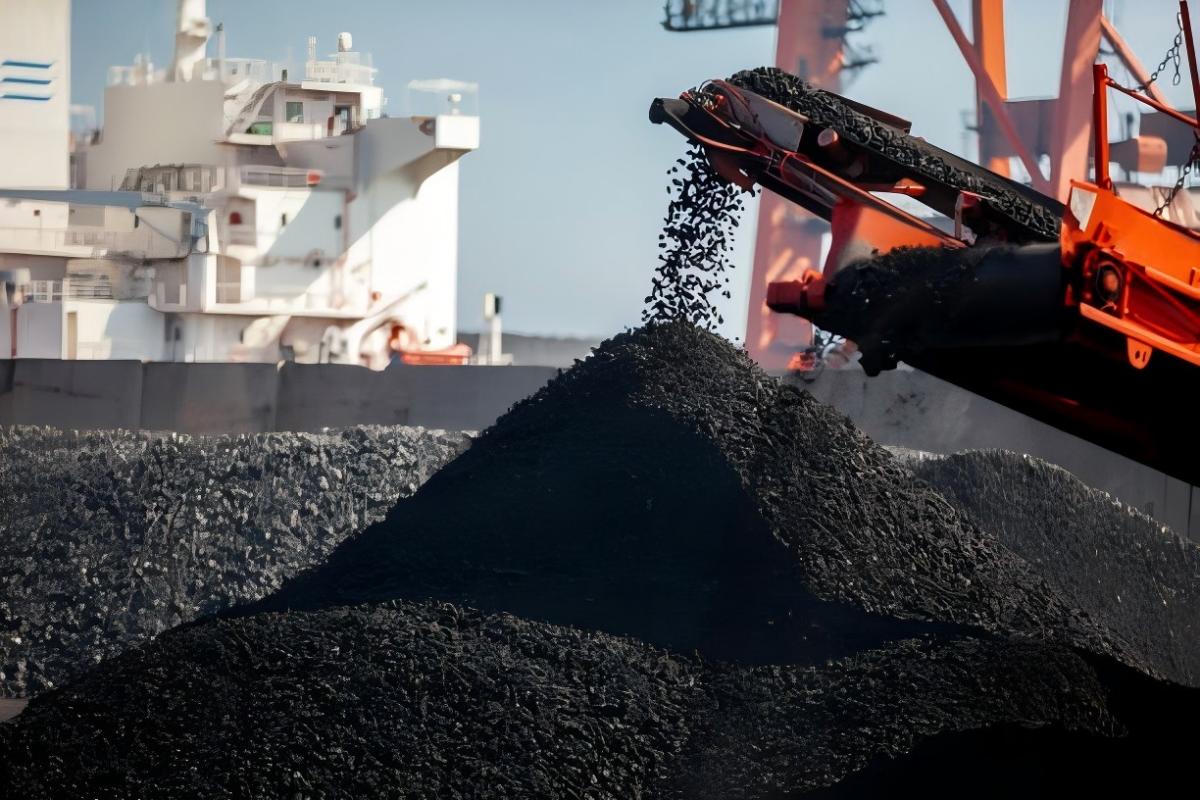
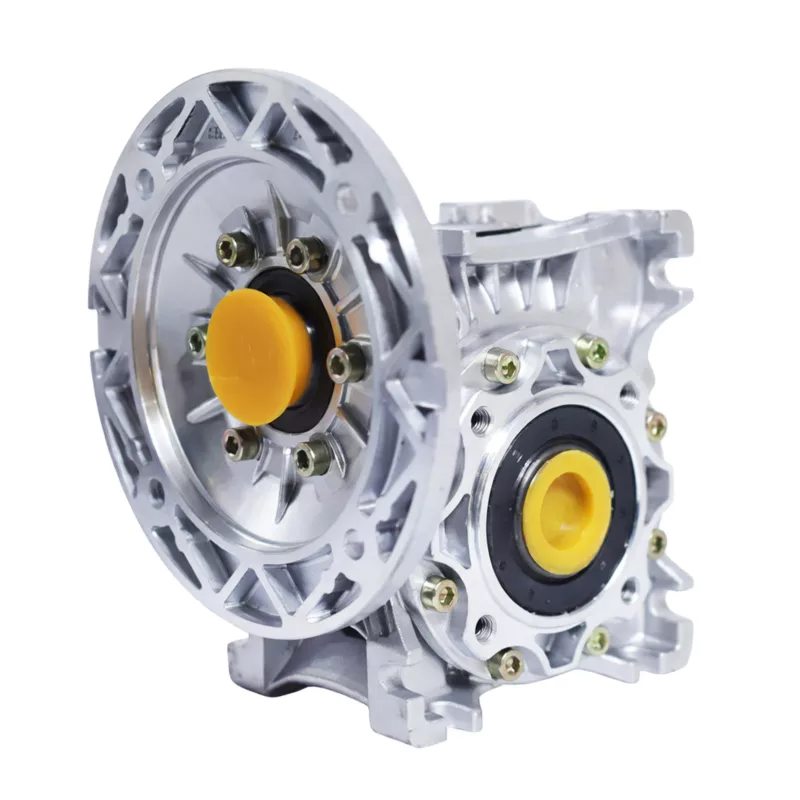
Housings are produced from rugged cast iron (EN-GJL-250) with deep cooling ribs, an oversized oil reservoir, and dust-tight shaft entries. The worm is a single-start or two-start carburised steel shaft ground to DIN 3, running against a tin bronze worm wheel. A thrust-rated taper roller bearing set at the worm end absorbs the axial load that an inclined screw conveyor feeds back into the gearbox. Output-side seals are the critical wear item: we fit double-lip FKM seals with a separate labyrinth pre-seal packed with high-temperature grease, the combination delivering true IP66 performance even in the finest sand and ash.
Core Material Stack
rugged cast iron housing fitted with high-IP-rated specialised oil seals.
International & Australian Compliance
Our gearboxes are designed, manufactured, tested and certified against the standards your site-acceptance tests will reference.
Technical Specifications & Selection Guide
Use this data as your first-pass selection table. Service factor, ambient temperature, and duty cycle should always be reviewed with our application team for a binding specification.
| Parameter | Specification / Range |
|---|---|
| Ratio Range | 10:1 to 80:1 |
| Output Torque | 150 Nm to 18,000 Nm |
| Input Power | 0.37 kW to 90 kW |
| Input Shaft | IEC B5 / B14 flange or NEMA C-face |
| Output Shaft | Hollow bore Ø30–Ø90 mm with shrink disc or keyway |
| Housing Material | Cast iron EN-GJL-250 with ribbed cooling |
| Mounting | Shaft-mounted with torque arm, foot, or flange |
| Protection | IP66 with double-lip FKM seals |
Case Studies from Australian Sites
These are real Australian deployments where our worm gear reducers solved documented site problems. Names and exact locations are withheld for commercial confidentiality.
Alumina Refining (QLD)
Equipment: Dry bauxite residue auger, 22 kW drive
Challenge: Competitor worm units failed at 9 months due to caustic red mud attack on seals.
Our response: Supplied units with Viton-based sealing package, epoxy-coated housing and stainless torque arm.
Outcome: Seal life reached 36 months; site adopted our specification as the plant standard.
Salt Handling (SA)
Equipment: Product transfer screw conveyor, 7.5 kW drive
Challenge: Salt crystal ingress seized bearings of legacy gearboxes within 12 months.
Our response: Deployed compact cast iron worm reducers with grease-packed labyrinth pre-seals and hot-dip galvanised external hardware.
Outcome: Gearboxes surpassed 42 months of service without seal replacement.
Grain Terminal (NSW)
Equipment: Ship-loader feed auger, 30 kW drive
Challenge: Thermal runaway in mid-summer caused frequent drive shutdowns.
Our response: Upsized to next-frame worm gearbox (size 175) with PAG synthetic oil and vented desiccant breather.
Outcome: Running oil temperature dropped 18 °C; eliminated unscheduled stoppages for two successive harvests.
Lithium Hydroxide (WA)
Equipment: Spodumene feed screw, 18.5 kW drive
Challenge: Chemical fume ingress degraded housing paint and internal seals.
Our response: Applied C5-I chemical-duty paint system and replaced standard breather with an oil mist reservoir.
Outcome: No housing corrosion after 24 months; seal change interval tripled.
Gypsum Plasterboard (VIC)
Equipment: Gypsum feed auger, 11 kW drive
Challenge: Gypsum dust infiltration caused gear wear and early bronze wheel replacement.
Our response: Upgraded to size 110 unit with double shaft sealing and external grease-purge option.
Outcome: Bronze wheel life extended from 18 months to over 5 years.
If your mining screw conveyor / auger project needs a tailored solution, contact our technical team — they will size, price and quote a matched worm reducer within one business day.
What Makes Us the Right Partner
Our Australian customers choose us for a pragmatic set of reasons — here are the six that come up most often.
25+ Years Manufacturing Experience
Four generations of worm gear production know-how, with a dedicated engineering team serving mining, agriculture, food, water and construction clients across Australia.
Remote Technical Support
Australia-timezone engineering support via phone, email and video call, with selection calculators, drawing packs and installation guides available on request.
OEM / ODM Customisation
Non-standard shaft geometries, flange drillings, housing paint systems, and torque-arm designs are routine — our engineers will match your exact mechanical interface.
Outstanding Value for Money
Direct-from-factory pricing with logistics to any Australian capital and major regional centre, competitive against premium European brands while meeting the same specifications.
Australia-Ready Logistics
Regular sea-freight consolidation to Sydney, Melbourne, Brisbane, Perth and Adelaide, with in-country distribution partners for same-week delivery on stocked sizes.
100% Load-Tested
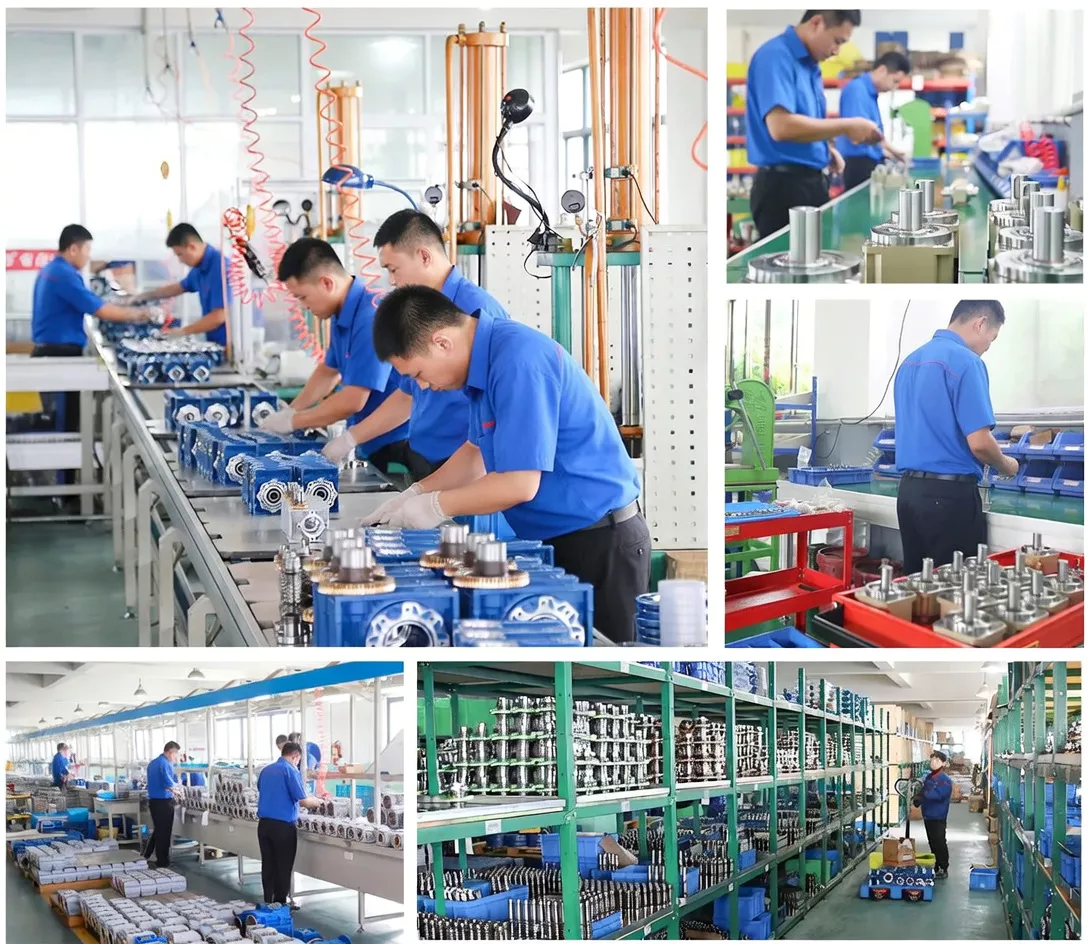
Every unit is bench-tested for noise, vibration, running temperature and oil seal integrity before it leaves the factory, with a test certificate shipped in the documentation pack.
Answers to Common Questions
Six detailed answers to the questions we are asked most often about this application.
Q: What is the difference between a worm gearbox and a helical gearbox on a screw conveyor?
A: A worm gearbox is simpler, lower cost and inherently self-locking at high ratios, making it ideal for inclined augers where load hold-back is a safety requirement. A helical gearbox has higher efficiency (typically above 94 %) and handles higher input speeds, but it is generally larger, more expensive and requires an external brake for hold-back. For most Australian screw conveyors below 30 kW, a worm reducer is the pragmatic choice.
Q: How do I calculate the required torque for my screw conveyor?
A: The required torque depends on the screw diameter, length, flight pitch, incline, material bulk density, and the material’s friction angle. As a first pass you can multiply the motor power (kW) by 9,550 and divide by the output RPM to get torque in Nm, then apply a service factor of 1.5 to 2.0 for dry powders and up to 2.5 for sticky or agglomerating materials. Our application engineers can size the unit precisely if you share the conveyor data sheet.
Q: Does a worm gearbox cope with continuous 24/7 duty?
A: Yes, provided the gearbox is sized with the correct service factor for S1 continuous operation. For continuous 24/7 screw conveyors, we typically recommend a thermal capacity check at the site ambient temperature and — in hot Australian locations — either upsize one frame or specify synthetic PAG lubrication to manage heat.
Q: What protection class should I specify for an outdoor screw conveyor in northern Australia?
A: For outdoor tropical installations (e.g., Darwin, Cairns, Karratha), specify IP66 as a minimum, with a C5-M marine-grade paint system if the site is within 5 km of a coastline. For sites with heavy monsoonal rain, add a canopy cover over the breather to keep water out of the gearbox sump.
Q: Can I mount the gearbox directly on the screw conveyor shaft?
A: Yes — shaft-mounted hollow-bore worm reducers are the most common configuration for screw conveyors. They are clamped onto the auger shaft via a shrink disc or a keyway, and reacted with a torque arm to absorb housing rotation. This saves a pedestal bearing and simplifies alignment.
Next Steps
Whether you need a single replacement unit or a site-wide specification, our application engineers are ready to help.