
Worm Gearbox for Slurry Agitator / Mixer — Built for Australia’s Harshest Operating Conditions
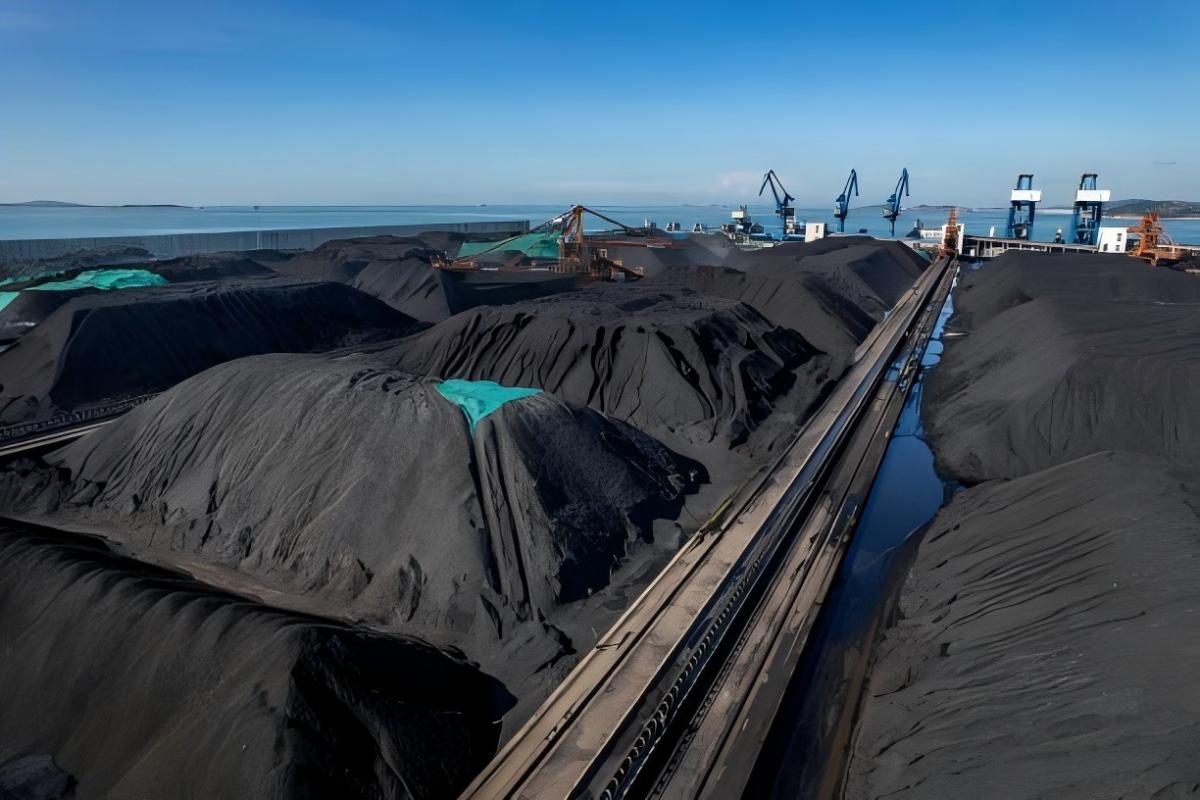
Slurry agitators in Australian mineral processing plants — carbon-in-leach (CIL) tanks at gold mines, copper flotation cells in Mount Isa, nickel leach reactors in Kwinana — all share the same enemies: abrasive particles, reactive chemistry and round-the-clock duty. The worm reducer above each agitator has to deliver unwavering torque to a shaft that bears the weight, thrust and bending moments of a multi-metre impeller stirring a dense slurry at 40–100 rpm. Failure means a stalled tank, a solidified slurry and a costly recovery operation.
These are precisely the applications for which our Australian-specified heavy-duty speed reducers exist. We offer cast iron worm gear units with heavy-duty tapered roller bearings top and bottom of the output shaft, engineered to take the full overhung and axial load of a long impeller shaft without the need for an external support bearing — drastically simplifying the plant layout and lowering installed cost. Our worm gear units Australia specification includes Viton seals, synthetic PAG oil and an oversized sump for thermal capacity.
Australian Application Detail: Slurry Agitator / Mixer
On a slurry agitator, the gearbox is typically mounted on a bridge above the tank with its output shaft pointing vertically downward into the tank. The impeller shaft is coupled rigidly (via a bolted flange) or through a dry coupling to the gearbox output. The gearbox must take all of the thrust reaction from the impeller (axial load down the shaft), the radial load from any hydraulic imbalance, and the full drive torque simultaneously.
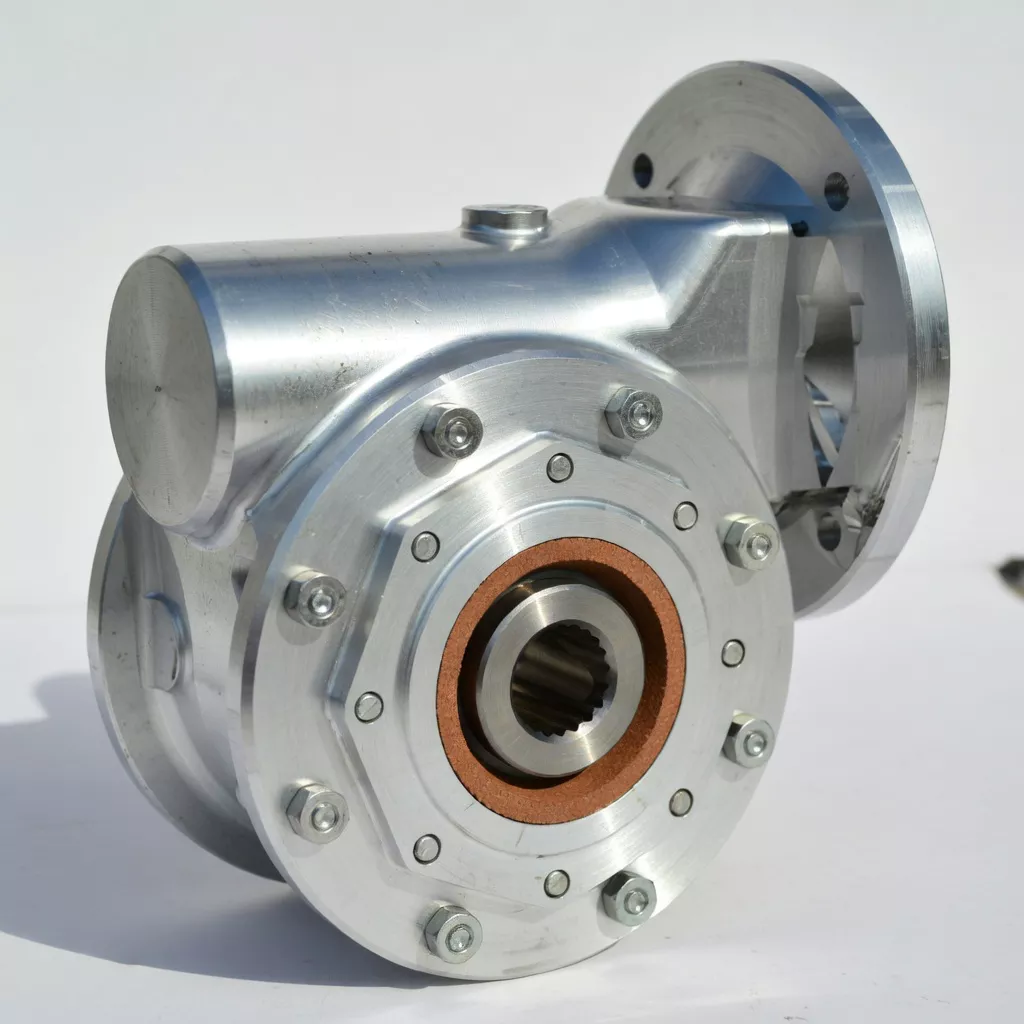
Housings are cast in tough iron (EN-GJL-300) with deep cooling ribs and oversized oil sumps to support continuous operation at 75 % load. The worm is carburised alloy steel ground to DIN 3 tolerance, running against a tin bronze (CuSn12) wheel. Tapered roller bearings are fitted at both ends of the output shaft with preset axial preload, eliminating the need for a separate bottom steady bearing on shafts up to 3 m long. Shaft sealing is a three-lip FKM design, protecting against both oil loss outward and splash/vapour ingress inward.
Core Material Stack
cast iron housing with heavy-duty tapered roller bearings.
Keyword focus: worm gearbox for mineral slurry agitator.
International & Australian Compliance
Our gearboxes are designed, manufactured, tested and certified against the standards your site-acceptance tests will reference.
Technical Specifications & Selection Guide
Use this data as your first-pass selection table. Service factor, ambient temperature, and duty cycle should always be reviewed with our application team for a binding specification.
| Parameter | Specification / Range |
|---|---|
| Ratio Range | 15:1 to 60:1 single stage; higher with helical pre-stage |
| Output Torque | 800 Nm to 30,000 Nm |
| Input Power | 2.2 kW to 160 kW |
| Output Shaft | Solid flanged output, Ø80–Ø200 mm |
| Housing Material | Cast iron EN-GJL-300 |
| Bearings | Tapered roller, preset preload, integrated thrust |
| Sealing | Three-lip FKM with breather |
| Mounting | Top-entry vertical flange, bolt pattern ISO or custom |
Case Studies from Australian Sites
These are real Australian deployments where our worm gear reducers solved documented site problems. Names and exact locations are withheld for commercial confidentiality.
Equipment: Carbon-in-leach agitator, 37 kW drive
Challenge: Existing gearbox required a separate bottom bearing which filled with carbon slurry and seized repeatedly.
Our response: Replaced with integrated-thrust worm reducer eliminating the bottom bearing entirely.
Outcome: Maintenance time reduced by 80 %; agitator availability exceeded 99 %.
Equipment: Rougher cell agitator, 55 kW drive
Challenge: Shaft seal failures every 6 months contaminated process water.
Our response: Upgraded to three-lip FKM sealing with labyrinth baffle and grease purge.
Outcome: Seal interval extended to 36 months; reagent losses stopped.
Equipment: High-pressure leach reactor agitator, 75 kW drive
Challenge: Chemical fumes corroded standard paint and degraded breather element.
Our response: Supplied C5-I coated housing with chemical-duty breather and stainless fasteners.
Outcome: No housing corrosion at 24-month review.
Equipment: Precipitation tank agitator, 22 kW drive
Challenge: Thermal build-up in a small cast-iron gearbox caused oil oxidation and premature failure.
Our response: Upsized to next frame with PAG synthetic fill and external fan cooling.
Outcome: Oil temperature reduced by 20 °C; drain interval extended to 16,000 hours.
Equipment: Caustic slurry agitator, 30 kW drive
Challenge: Caustic splashing entered the gearbox through an inadequate top-cover seal.
Our response: Installed upgraded top-cover with gasketed inspection port and Viton breather.
Outcome: Oil cleanliness maintained beyond 3 years.
If your slurry agitator / mixer project needs a tailored solution, contact our technical team — they will size, price and quote a matched worm reducer within one business day.
Why Australian Buyers Choose Us
Selecting the right supplier is as important as selecting the right gearbox. Here is what sets our team apart.
25+ Years Manufacturing Experience
Four generations of worm gear production know-how, with a dedicated engineering team serving mining, agriculture, food, water and construction clients across Australia.
Remote Technical Support
Australia-timezone engineering support via phone, email and video call, with selection calculators, drawing packs and installation guides available on request.
OEM / ODM Customisation
Non-standard shaft geometries, flange drillings, housing paint systems, and torque-arm designs are routine — our engineers will match your exact mechanical interface.
Outstanding Value for Money
Direct-from-factory pricing with logistics to any Australian capital and major regional centre, competitive against premium European brands while meeting the same specifications.
Australia-Ready Logistics
Regular sea-freight consolidation to Sydney, Melbourne, Brisbane, Perth and Adelaide, with in-country distribution partners for same-week delivery on stocked sizes.
100% Load-Tested
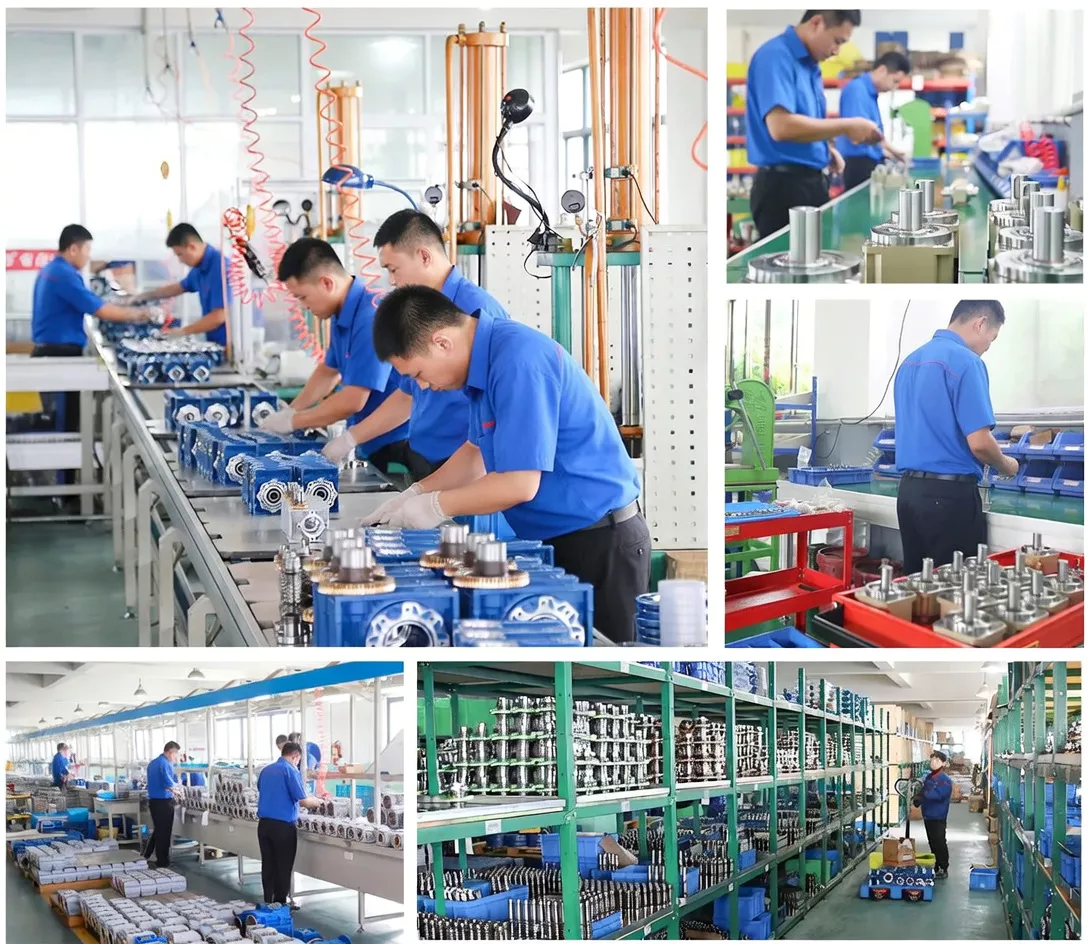
Every unit is bench-tested for noise, vibration, running temperature and oil seal integrity before it leaves the factory, with a test certificate shipped in the documentation pack.
Frequently Asked Questions
Common questions from Australian engineers, procurement managers and maintenance supervisors — answered in detail.
Does the agitator gearbox need a bottom steady bearing?
For shaft lengths below roughly 3 metres and impeller loads within the gearbox’s overhung and axial rating, no — our integrated-thrust worm reducers eliminate the bottom bearing entirely. For longer shafts or extreme loading, a bottom steady or interstitial bearing may still be required.
Can the gearbox run in reverse for CIP (clean-in-place)?
Yes. Worm gear units reverse freely. Provide the expected reverse duty cycle in your enquiry so the bearings can be sized for both directions.
How is heat managed in a continuously running agitator gearbox?
The first defence is a correctly sized frame — under 75 % of thermal rating at site ambient. For high ambient or 24/7 service we recommend PAG synthetic oil, an external cooling fan, or a motorised oil cooler for the largest frames. Our sales team can model the thermal balance if you share the duty data.
Can you provide a gearbox with a dry coupling for ease of shaft disconnection?
Yes — we can supply the gearbox with a quick-release flange coupling and, if required, a dry-break design that allows the impeller shaft to be removed without oil spillage. This is valued highly in Australian plants with tight shutdown windows.
What material should the output shaft be for a corrosive slurry?
For most slurries a hardened carbon steel shaft with a chrome-plated sealing region is sufficient. For chloride-rich or acidic service, specify a 316 stainless steel shaft or a ceramic-coated sealing region. We can also supply Duplex 2205 shafts for extreme chloride exposure.
Do you supply OEM replacements to match legacy mixer drives?
Yes. Our engineers can reverse-engineer a drop-in replacement to match existing bolt patterns, shaft height and output shaft geometry. See learn more about us for our OEM programme.
Next Steps
Whether you need a single replacement unit or a site-wide specification, our application engineers are ready to help.