
Rigid Couplings
Precision rigid couplings for mining, process plant, marine, and industrial automation — available in standard and custom configurations for a wide range of industrial applications.
A rigid coupling transmits torque between two aligned shafts without any flexible element, delivering a direct, zero-backlash mechanical connection that is both simple and highly reliable. Because it accommodates no misalignment, a rigid coupling demands accurate shaft alignment at installation — and rewards that care with a long, trouble-free service life and minimal maintenance overhead.
Our range spans micro-sized aluminium couplings for servo and CNC applications through to heavy flanged assemblies transmitting 100,000 N·m in steel mill and cement plant main drives. Standard sizes are available for fast despatch across Australia; custom bore machining, non-standard lengths, and material upgrades are available to order. For a broader overview of torque transmission solutions, visit the full couplings range.
Rigid Coupling Product Categories
Select a category to view full technical specifications, dimension tables, and ordering information.
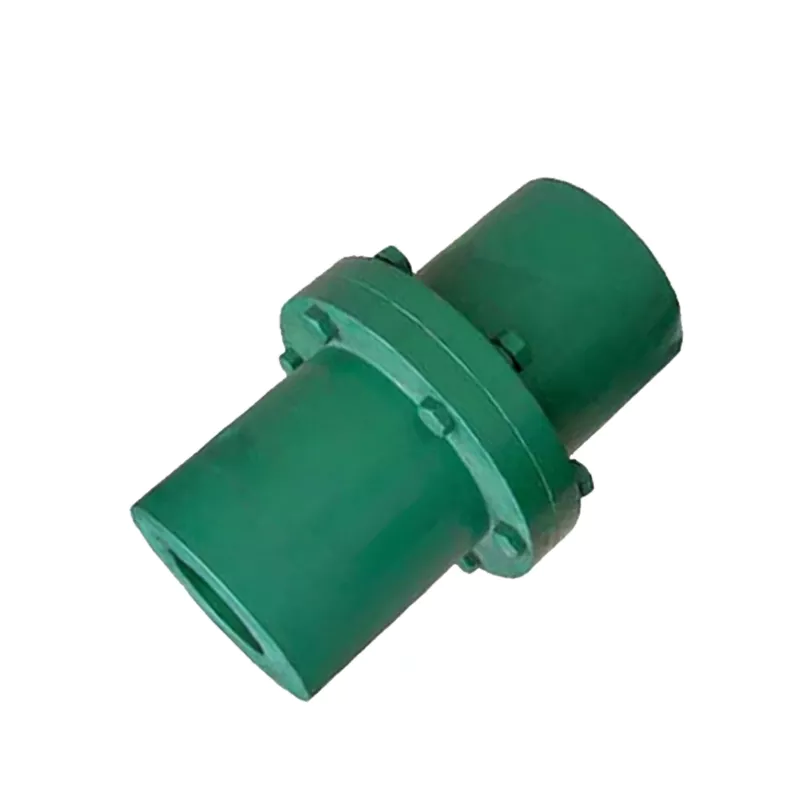
YL / YLD Flanged Coupling
GB 5843-86 standard. YL type with standard flange; YLD type with alignment tenon for self-centring. Torque 10 to 20,000 N·m, 18 sizes, cast iron and steel.
GY / GYS / GYH Flange Coupling
GB/T5843-2003. Three sub-types: GY reamed bolt, GYS tongue-and-groove, GYH alignment ring. Torque 25 to 100,000 N·m, 13 sizes. Steel mills, cement kilns, marine drives.
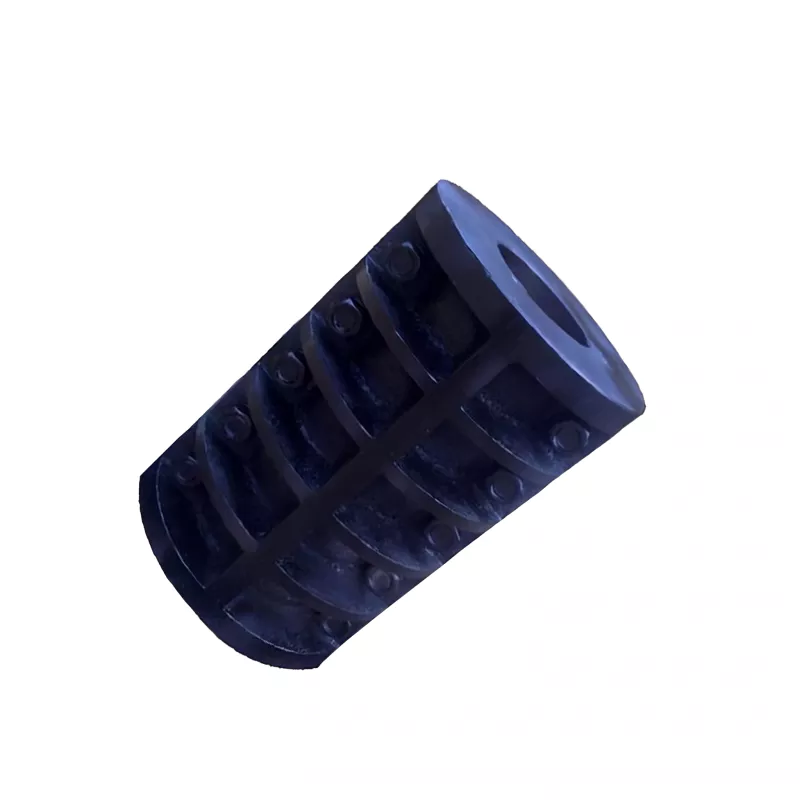
JQ Clamping Coupling
Split clam-shell design for reactor stirring shafts and vertical reducer connections. No axial shaft movement required. Bore 25–160 mm, torque to 28,000 N·m, 16 sizes.
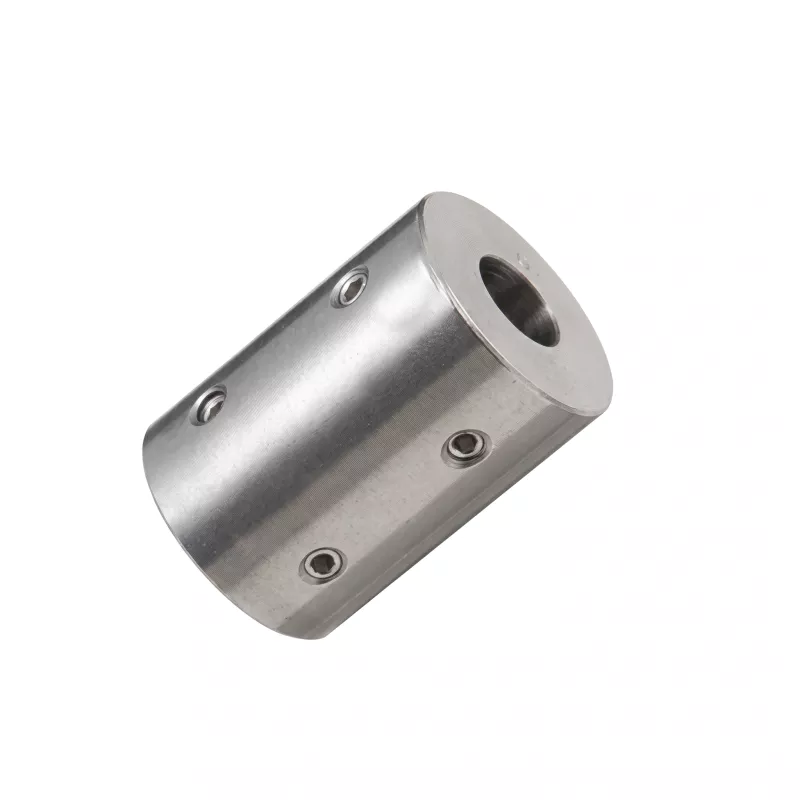
GT Series Sleeve Coupling
Compact one-piece sleeve, 22 sizes GT1–GT22, bore 18–90 mm. Key, spline or taper pin connection. Minimum radial envelope. Max speed 250 rpm. Agricultural, textile, light manufacturing.
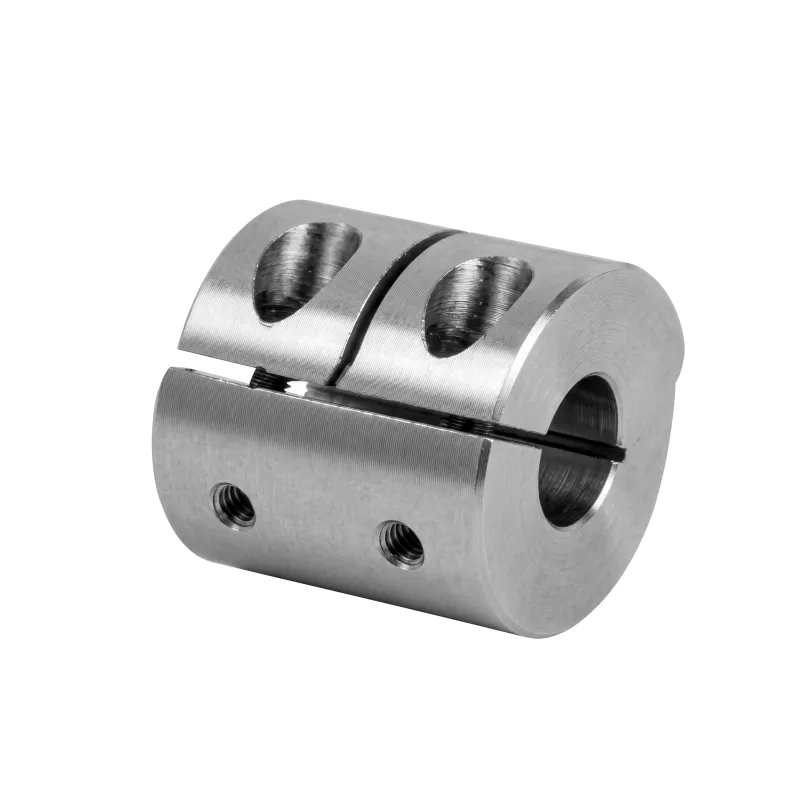
7C Series Clamp Type Rigid Coupling
Precision split-body clamp coupling for servo motors, stepper drives, and automation equipment. No keyway required. Aluminium alloy and stainless steel options.
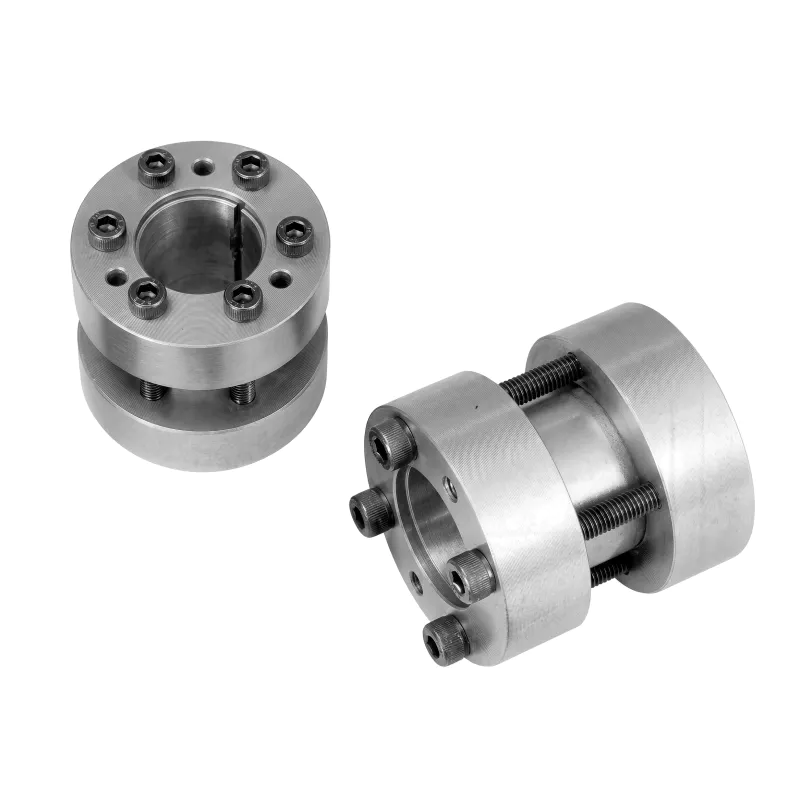
7Z Locking Assembly Rigid Coupling
Keyless taper-ring system for heavy industrial shaft-to-hub connections. Bore 15–110 mm, 31 standard sizes. No keyway machining required; removable and reusable.
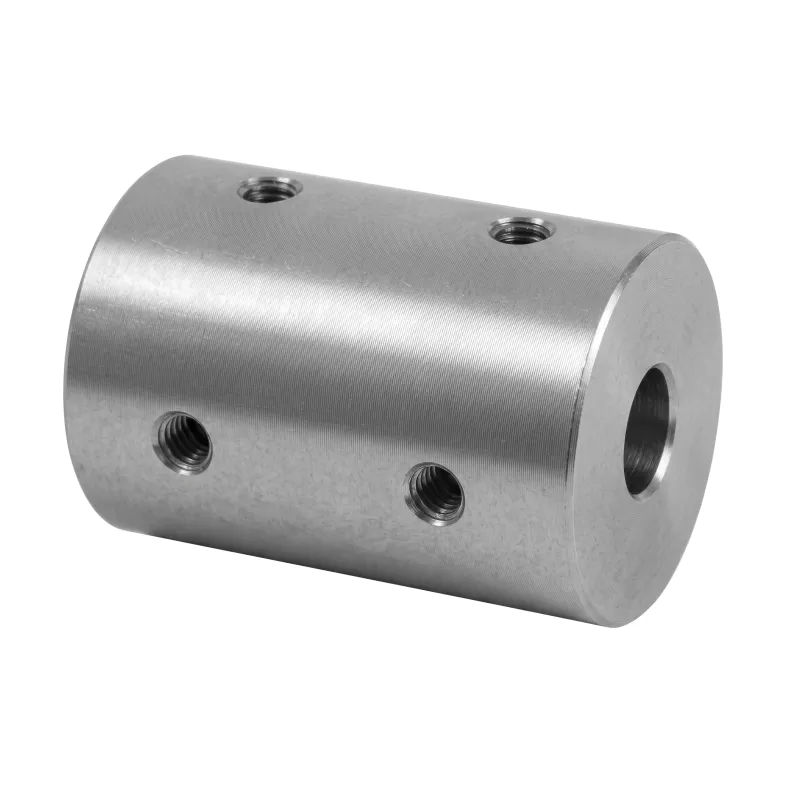
7 Series Setscrew Type Rigid Coupling
Micro precision coupling, bore 3–20 mm, torque 0.3–5 N·m, up to 23,000 rpm. Aluminium alloy and stainless steel. Servo motors, encoders, CNC spindles, robotics.
How Rigid Couplings Work
Direct Torque Path
Rigid couplings create a solid mechanical bridge between drive and driven shafts. Torque is transmitted through the coupling body — a flanged hub pair, a continuous sleeve, a clamped shell, or a locking taper assembly — with no intermediate elastic element. The result is direct 1:1 torque transmission that preserves the drive train's dynamic response and positioning accuracy.
When to Choose Rigid
Rigid couplings are the correct selection when shafts are precisely aligned and misalignment can be maintained within tight limits throughout service life. They are preferred in servo motor and CNC applications for zero-backlash performance, in heavy equipment drives for their high torque density, and in chemical plant reactor shafts where compact dimensions and ease of field installation are the priority.
Key Selection Factors
Primary parameters are shaft diameter, nominal torque, maximum operating speed, and available installation method. Connection type — keyed bore, splined bore, taper pin, clamping friction, or locking taper assembly — determines whether axial shaft movement is required during fitting. Bore tolerance, material, and surface treatment must also be specified at order stage. See the full couplings catalogue for comparison across all coupling families.
Selection Guide
Four questions narrow the field to the right coupling for your application. If you are comparing rigid versus flexible designs, the full couplings catalogue covers both categories in detail.
What is the shaft diameter?
Micro applications with 3–20 mm shafts point to 7 Series or 7C Series. Industrial drives from 15–110 mm suit GT sleeve, YL/YLD flanged, GY/GYS/GYH, JQ clamping, or 7Z locking assembly depending on torque and fitting method.
What torque must be transmitted?
Rated torque spans 0.3 N·m (7 Series, smallest) to 100,000 N·m (GY13). Apply a service factor: 1.0–1.25 for smooth constant load; 1.5–2.0 for moderate shock or cyclic load; 2.5+ for severe shock or reversing drives.
What is the operating speed?
GT sleeve couplings are rated to 250 rpm. Flanged series (YL/YLD, GY/GYS/GYH) reach up to 13,000 rpm in steel. 7 Series setscrew and 7C Series clamp types reach 23,000 rpm. Match the coupling's rated speed to your drive's maximum with appropriate margin.
What installation method is available?
Can the shaft be moved axially? If yes, keyed flanged or sleeve couplings are simplest. If axial movement is restricted, JQ clamping (radially split) or 7C clamp type (split body) allow fitting without shaft withdrawal. 7Z locking assemblies require no keyway machining and are removable without special tools.
Featured Products
7 Series Setscrew Rigid Coupling
3–20 mm bore · 0.3–5 N·m · to 23,000 rpm · Al alloy & SS
View Product
7C Clamp Type Rigid Coupling
Split body · No keyway · Servo & stepper drives
View Product
7Z Locking Assembly
15–110 mm bore · 31 sizes · Keyless taper ring
View Product
JQ Clamping Coupling
25–160 mm bore · to 28,000 N·m · Reactor shafts
View Product
GY/GYS/GYH Flange Coupling
25–100,000 N·m · 13 sizes · Steel mills, marine
View Product
GT Series Sleeve Coupling
18–90 mm bore · 22 sizes · Agricultural & textile
View ProductNeed Technical Assistance or a Custom Quote?
Our technical team supports engineers and procurement specialists across Australia with coupling selection, custom bore machining, and supply in standard or modified configurations.