
Worm Gearbox for Chemical Dosing Pump: A Complete Guide for Australian Operators
Chemical dosing pumps deliver precise, small flows of reagents into Australian water treatment systems, mining tailings circuits, and chemical plants. From chlorine dosing at Melbourne’s Silvan Reservoir to acid dosing at lithium plants in Kwinana, a dosing pump that drifts by even 5 % can throw off the entire downstream chemistry. The worm reducer driving the pump must deliver rock-steady torque to the pump diaphragm or piston, and must survive a splash-and-vapour environment rich in aggressive chemistry.
Our worm gear reducer Australia offerings for chemical dosing are built around two principles: chemical resistance on the outside, precision torque delivery on the inside. We use chemical-resistant housings (cast iron with C5-I coating, or full 316 stainless), specialised FKM or FFKM seal materials matched to the reagent chemistry, and precision-ground gears for steady torque transmission. Our heavy-duty speed reducers in this range are the quiet enablers of accurate chemistry across Australian industry.
Reliability on a chemical dosing pump is not luck — it is the cumulative outcome of correct sizing, appropriate materials, sealing suited to the climate, and lubrication matched to duty.
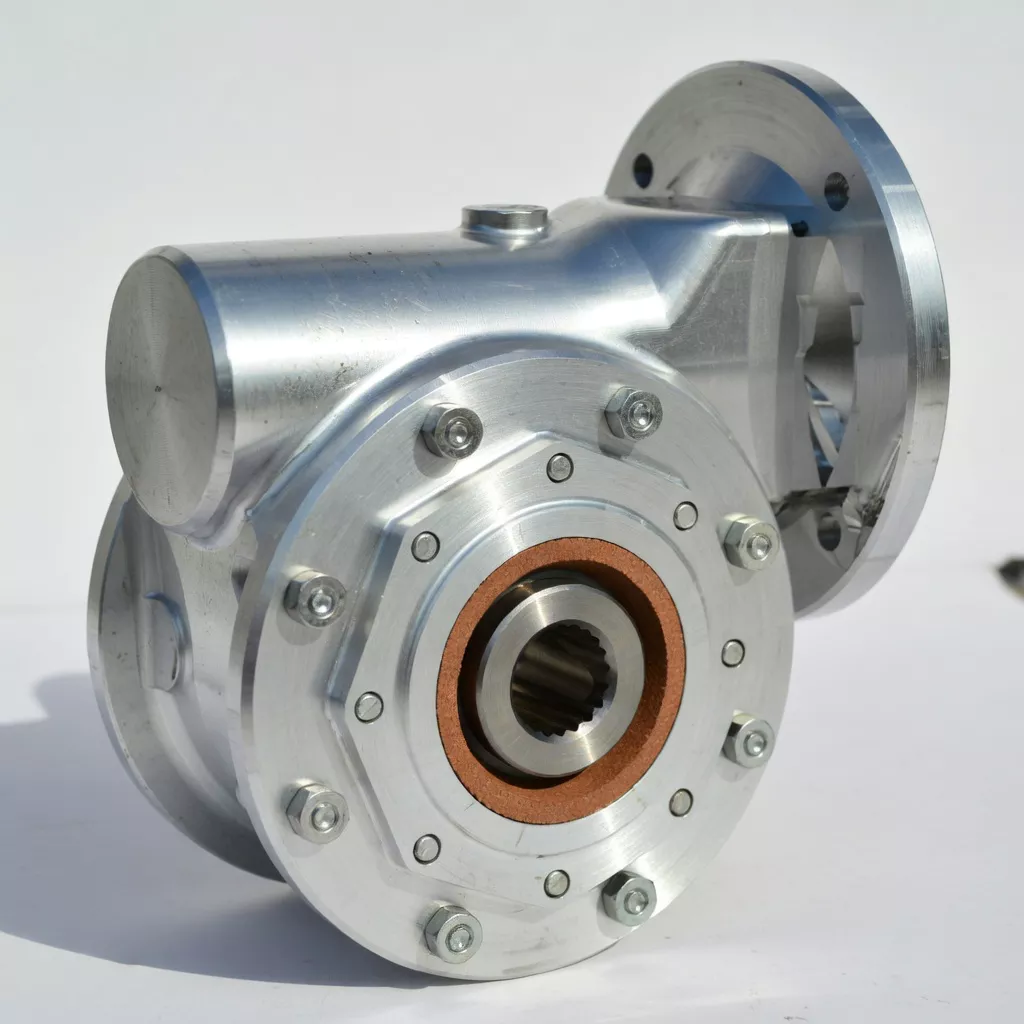
Typical worm gearbox configuration for chemical dosing pump duty
Understanding the Role of the Worm Reducer in Your Chemical Dosing Pump
A dosing pump typically consists of an electric motor driving a diaphragm or piston pump through a worm gearbox. The gearbox reduces the motor speed to the desired pump stroke rate (commonly 60–200 strokes per minute), and provides the mechanical advantage to overcome the back-pressure of injecting into a pressurised line (up to 16 bar for most chemical dosing, higher for specialised systems).
The housing material is matched to the surrounding chemistry — cast iron with C5-I epoxy for mild environments, full 316 stainless for severe chloride, acid or caustic environments. Seal elastomers are FKM (Viton) as standard; we offer FFKM (Kalrez) for the most aggressive chemistries including strong oxidisers and fluorinated compounds. Output shafts are typically 316 stainless or Hastelloy C-276, depending on the pump interface. A shaft seal cartridge with a separate chemical-resistant flush can be fitted where ultra-low leakage is required.
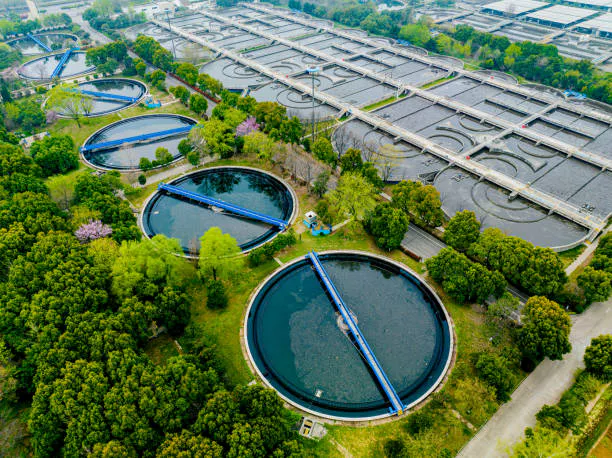
| Key construction: chemically resistant housing material with specialised anti-corrosion sealing rings. |
Keyword focus: worm reducer for chemical dosing pump Australia.
Proven Performance — Australian Case Studies
These are real Australian deployments where our worm gear reducers solved documented site problems. Names and exact locations are withheld for commercial confidentiality.
Asset: 12 % hypochlorite dosing pump, 0.55 kW drive. Problem: Chlorine vapour degraded standard elastomers within 14 months. Action: Upgraded seals to FKM-type chemically resistant compound with chemical-duty breather. Result: Seal life extended to over 4 years; operator confidence restored.
Asset: Sulfuric acid dosing pump, 1.1 kW drive. Problem: Acid splash corroded painted housing rapidly. Action: Moved to full 316 SS housing with Hastelloy output shaft. Result: Zero corrosion at 30-month inspection.
Asset: Caustic soda dosing, 0.75 kW drive. Problem: Caustic creep contaminated the gearbox through a poor shaft seal. Action: Supplied unit with cartridge shaft seal and a chemical-resistant flush port. Result: Oil stayed clean; pump output accuracy remained within ±1 %.
Asset: Lime slurry dosing pump, 2.2 kW drive. Problem: Lime scale build-up on output shaft caused seal wear. Action: Installed shaft-sealing cartridge with automatic flush water injection. Result: Seal life extended from 9 months to beyond 3 years.
Asset: Peracetic acid dosing, 0.37 kW drive. Problem: Oxidiser chemistry destroyed standard FKM seals within 6 months. Action: Upgraded to FFKM (perfluoroelastomer) seals throughout. Result: Seal life exceeded 3 years without measurable degradation.
Technical Specifications & Selection Guide
These are the working envelopes our standard range covers. Non-standard bores, specialised flanges, and custom torque-arm geometries are available as an OEM option — just get in touch.
| Parameter | Specification / Range |
|---|---|
| Ratio Range | 15:1 to 80:1 |
| Output Torque | 40 Nm to 400 Nm |
| Input Power | 0.18 kW to 3 kW |
| Output Shaft Material | 316 SS or Hastelloy C-276 |
| Housing Material | Cast iron + C5-I, or full 316 SS |
| Seal Material | FKM (std), FFKM (optional) |
| Stroke Accuracy | ±1 % of setpoint |
| Protection | IP66 |
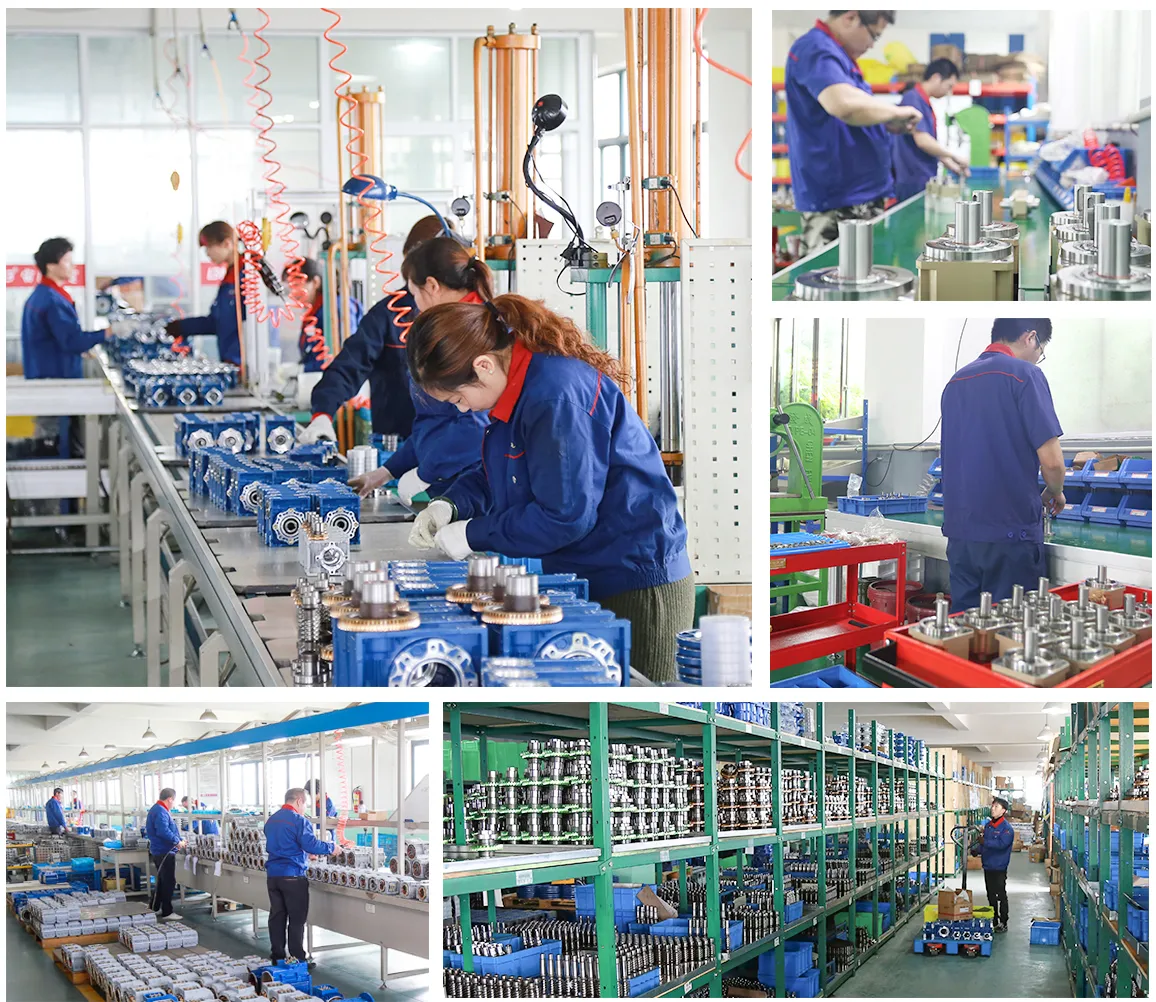
Standards & Certifications
Compliance is non-negotiable on Australian industrial sites. Our units carry the certifications and ingress ratings that site engineers and insurers expect.
You can learn more about us, browse our full range of worm gear motors, or jump straight to the detailed worm reducer page for technical downloads.
Six Reasons Australian Engineers Specify Our Gearboxes
We have spent decades building gearboxes that survive Australian service. This is what that experience buys you.
Four generations of worm gear production know-how, with a dedicated engineering team serving mining, agriculture, food, water and construction clients across Australia.
Australia-timezone engineering support via phone, email and video call, with selection calculators, drawing packs and installation guides available on request.
Non-standard shaft geometries, flange drillings, housing paint systems, and torque-arm designs are routine — our engineers will match your exact mechanical interface.
Direct-from-factory pricing with logistics to any Australian capital and major regional centre, competitive against premium European brands while meeting the same specifications.
Regular sea-freight consolidation to Sydney, Melbourne, Brisbane, Perth and Adelaide, with in-country distribution partners for same-week delivery on stocked sizes.
Every unit is bench-tested for noise, vibration, running temperature and oil seal integrity before it leaves the factory, with a test certificate shipped in the documentation pack.
Frequently Asked Questions
Common questions from Australian engineers, procurement managers and maintenance supervisors — answered in detail.
What seal material should I use for chlorine dosing?
FKM (Viton) is suitable for chlorinated water, sodium hypochlorite, and most dilute acids. For concentrated chlorine dioxide or peracetic acid, move to FFKM (perfluoroelastomer) seals for acceptable service life.
Can the gearbox handle intermittent high-pressure spikes?
Yes — our units have a momentary peak torque rating of 2.5× nominal. Dosing pumps produce regular pressure spikes at each stroke, but the RMS torque is well below the gearbox rating in our typical specifications.
Does the gearbox need any chemical-resistance coating?
For most dosing applications, our standard C5-I epoxy coating is sufficient when installed in a well-ventilated bund. For splashing chemistry or outdoor pump stations, we recommend full 316 stainless housing.
How precise is the output torque?
With a precision-ground worm and a low-backlash bronze wheel, our units deliver repeatable torque to within ±2 % of the commanded value. Combined with a stepper motor or servo drive, this meets most Australian dosing accuracy requirements.
Is the gearbox safe in a Hazardous Area (e.g., Zone 1)?
The gearbox itself is mechanical, but the motor must be rated for the relevant hazardous area. We supply ATEX / IECEx rated motors with our gearboxes as a matched package when required.
Can you match the gearbox to an existing pump OEM?
Yes. Share your pump drawings or photos and we can reverse-engineer mounting dimensions and shaft interface to provide a drop-in replacement for any common OEM dosing pump. Learn more about us for our OEM replacement programme.
Get the Right Gearbox — First Time
Our team will review your specification, cross-check your service factor, and propose the optimum model — typically within one business day.