
Jaw Couplings
Plum blossom jaw couplings for industrial power transmission — vibration damping, misalignment compensation, and zero lubrication across a wide torque range.
Request a QuoteWhat Is a Jaw Coupling?
A jaw coupling — also called a spider coupling, claw coupling, or plum blossom coupling — is a three-piece flexible shaft coupling that transmits torque through an elastomeric spider element compressed between two interlocking hub claws. The polyurethane spider absorbs shock, damps vibration, and compensates for angular, radial, and axial shaft misalignment, all without requiring grease or scheduled lubrication.
GBC supplies two complementary jaw coupling families: the GB/T5272 LM/ML plum blossom series for general industrial drives, and the GBC Series for heavy-duty applications requiring large bore capacity, flanged connections, or integrated braking. Combined, the range covers torque from 10 N·m to 25,000 N·m with bore sizes up to 220 mm. Browse the full range below or contact our engineering team for selection assistance.
Jaw Coupling Types
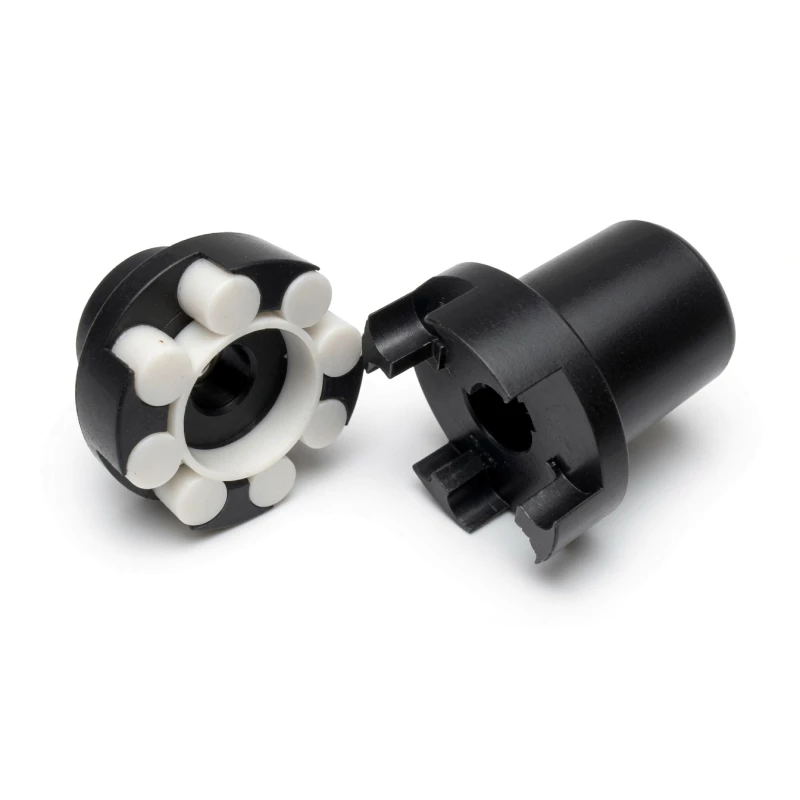 Standard
- Torque: 16–8,000 N·m (13 sizes)
- Bore: up to 160 mm
- Speed: up to 15,300 rpm
- Spider: in-situ replacement, axial slide
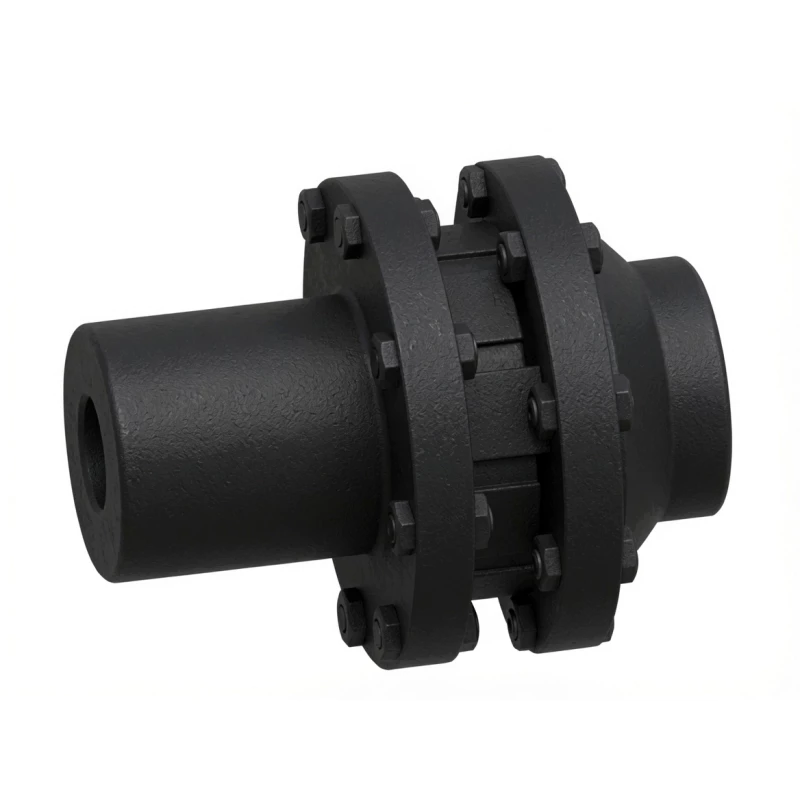 Double Flange
- Torque: 25–25,000 N·m (13 sizes)
- Spider: radial removal, no shaft movement
- For fixed-shaft and heavy-plant drives
- Ideal where realignment must be avoided
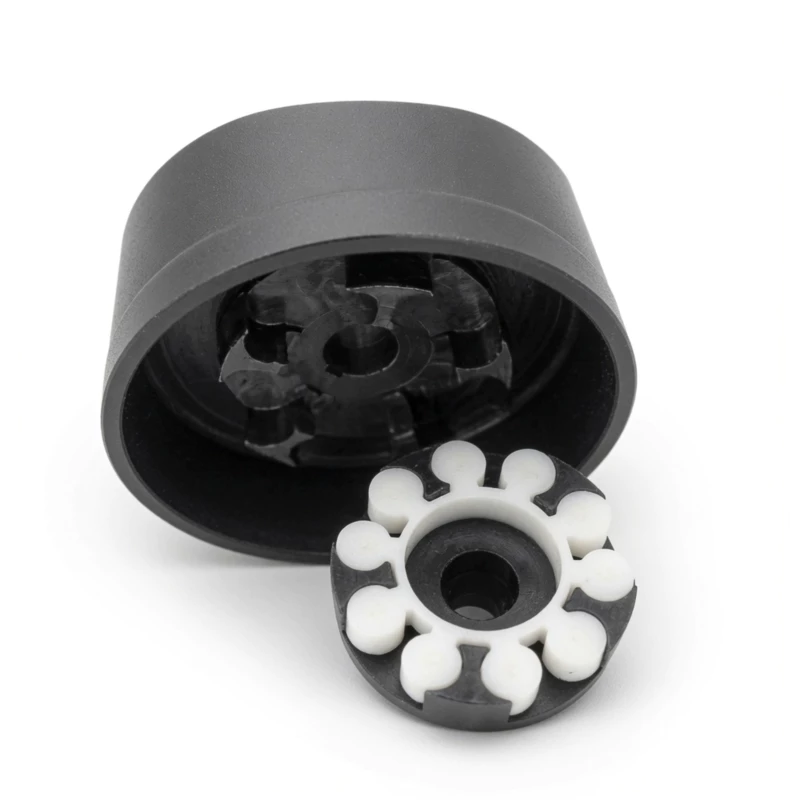 Brake — Split Drum
- Torque: 250–25,000 N·m (15 configs)
- Brake drum: Dia. 160–800 mm
- Split drum replaceable radially in situ
- Hoist, crane and winder drives
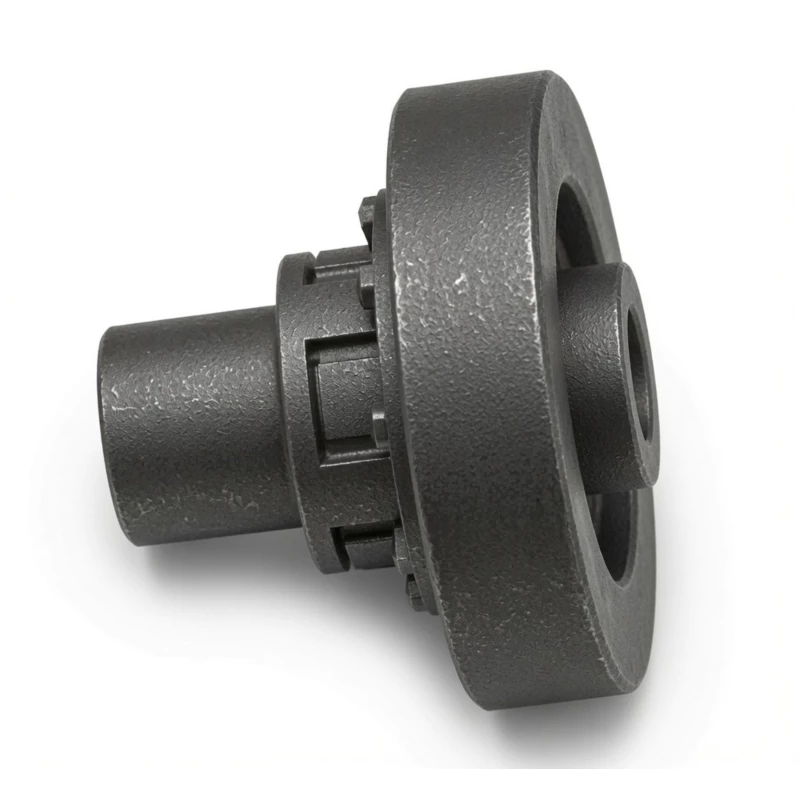 Brake — Integral
- Torque: 250–12,500 N·m (15 configs)
- Brake drum: Dia. 160–800 mm
- Most compact L0 in the brake range
- Elevator and space-constrained drives
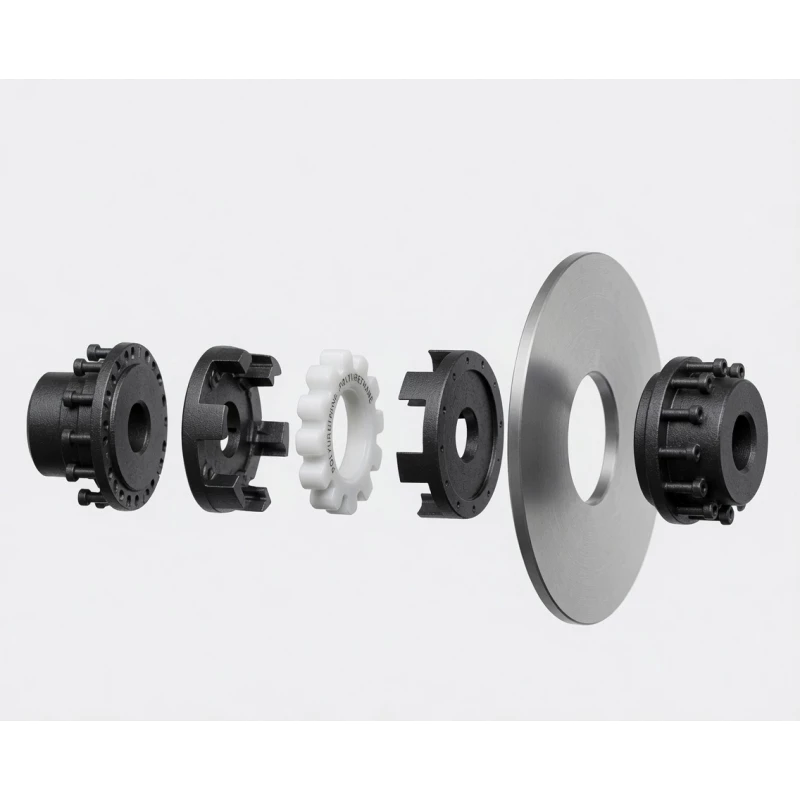 Brake — Disc
- Torque: 630–12,500 N·m (9 sizes)
- Disc: Dia. 355–1,000 mm
- Caliper disc brake — superior heat control
- VFD drives, precision hoists, automation
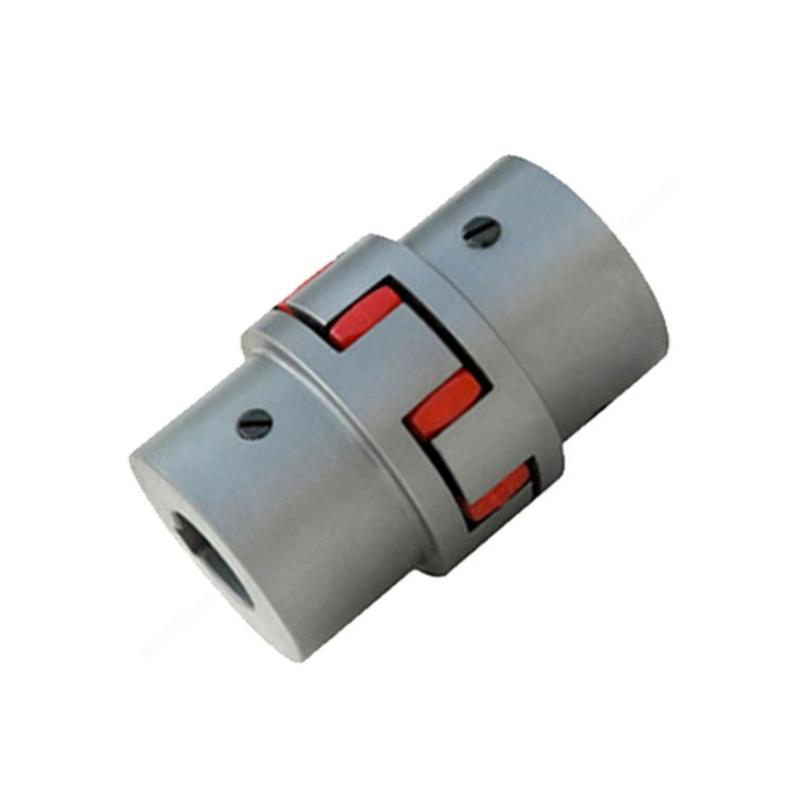 Standard
- Torque: 10–18,650 N·m
- Bore: up to Ø200 mm
- General-purpose industrial drives
- Zero lubrication, in-situ spider swap
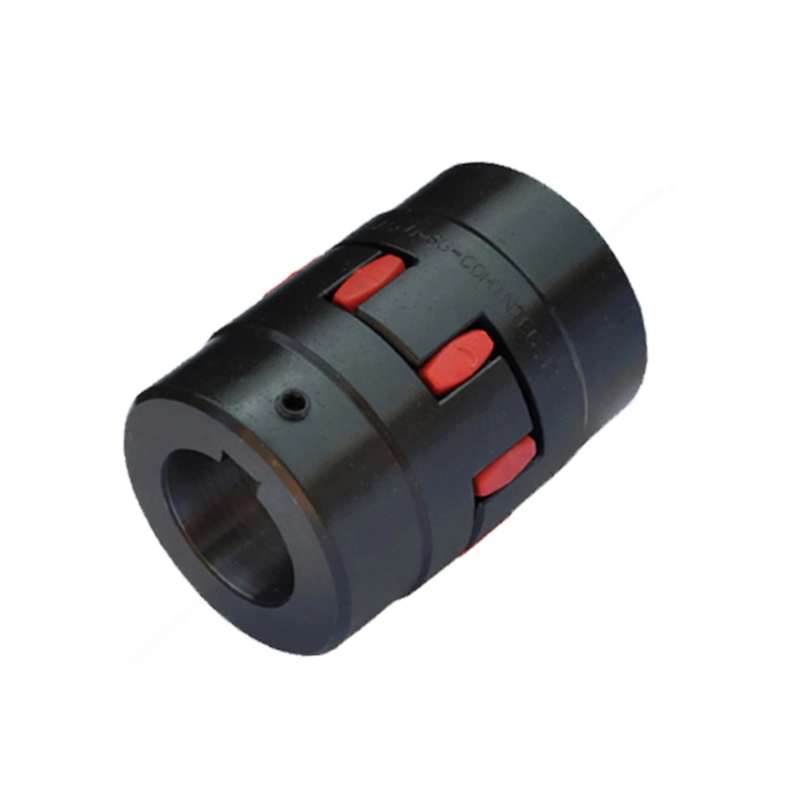 Large Bore
- Torque: 35–18,650 N·m
- Bore: up to Ø220 mm (steel sleeve)
- Mining, metallurgy, port equipment
- Replaceable steel sleeve insert
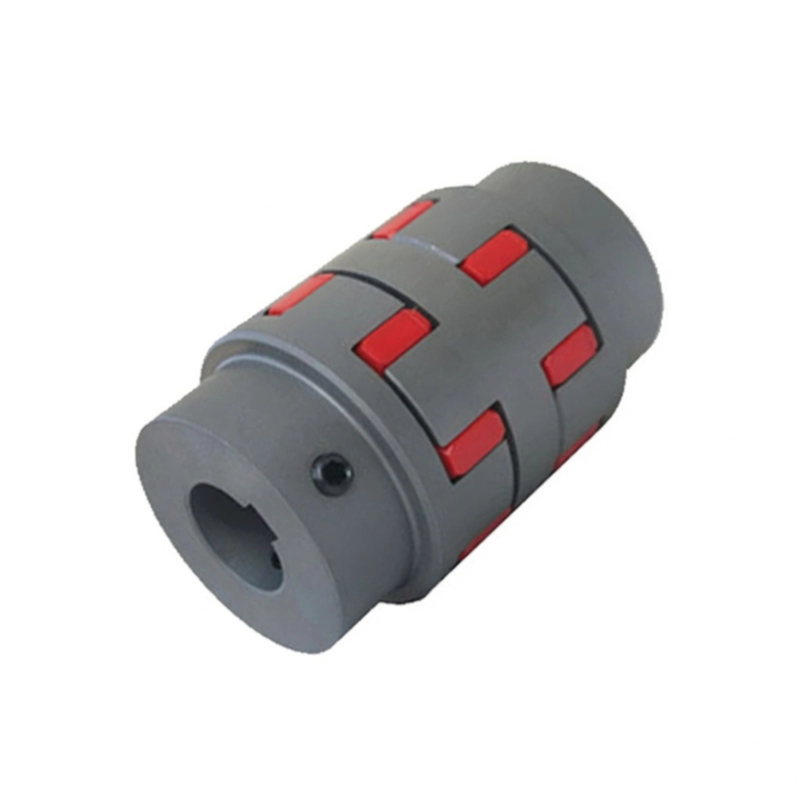 Dual Elastomer
- Torque: 10–2,400 N·m
- Radial comp.: up to 2.5 mm
- Angular comp.: up to 1.5°
- Double-stage vibration damping
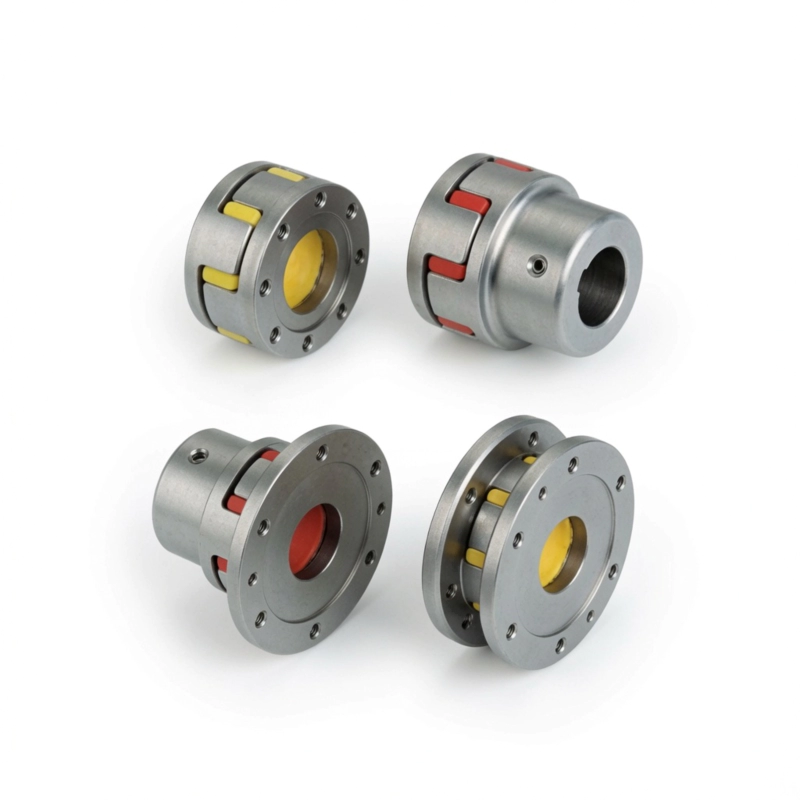 Flanged
- Torque: 35–18,650 N·m
- Bore: up to Ø220 mm
- A / B / C / D structural variants
- B & D: radial in-situ spider access
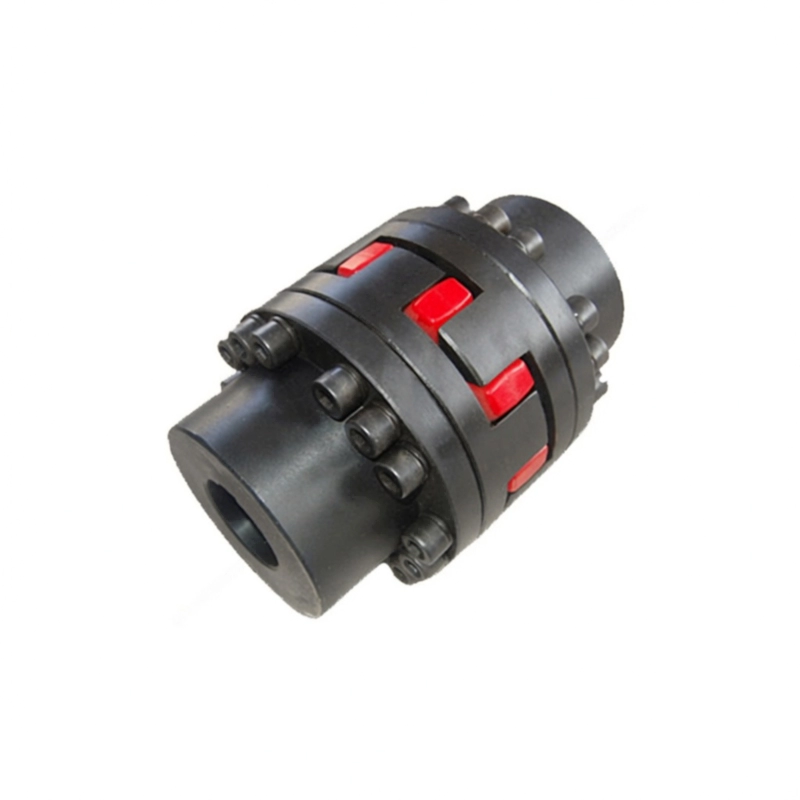 Single Flange
- Torque: 35–19,650 N·m
- Bore: up to Ø200 mm
- Radial flange — spider replaced in situ
- No machine movement required
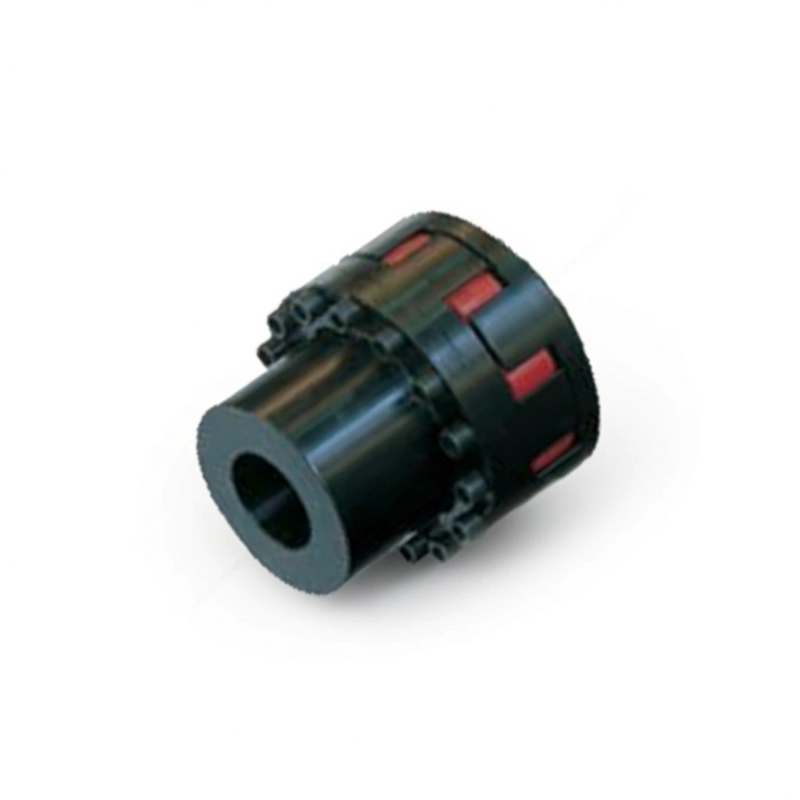 Double Flange
- Torque: 35–19,650 N·m
- Bore: up to Ø200 mm
- Spider access from either side
- Shorter L than SF — same model sizes
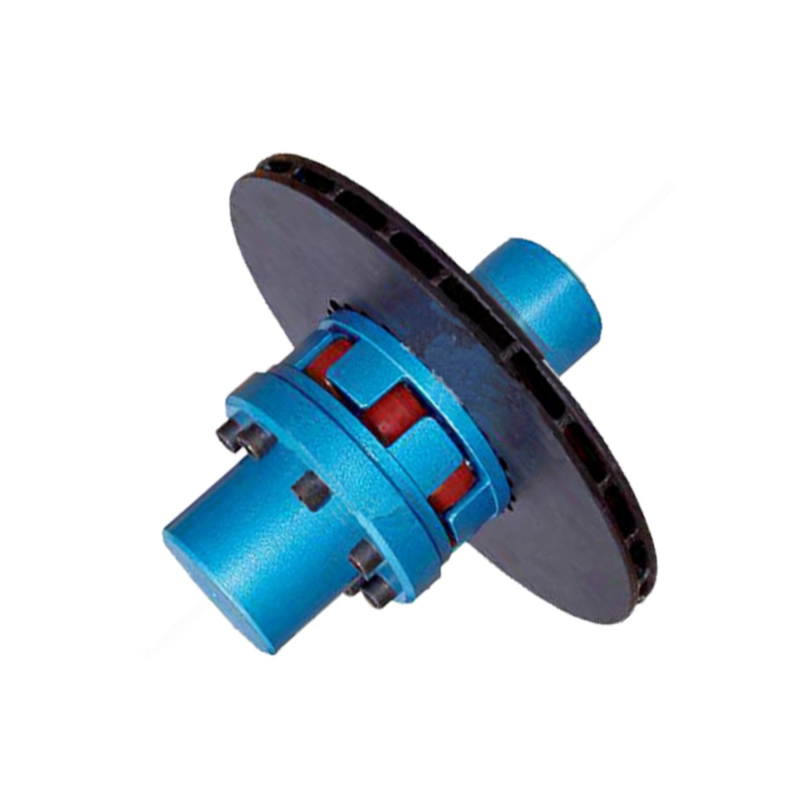 Brake — Disc
- Torque: 190–6,650 N·m
- Disc: Ø200–900 mm (integral)
- For caliper disc brake actuators
- Crane, hoist, positioning drives
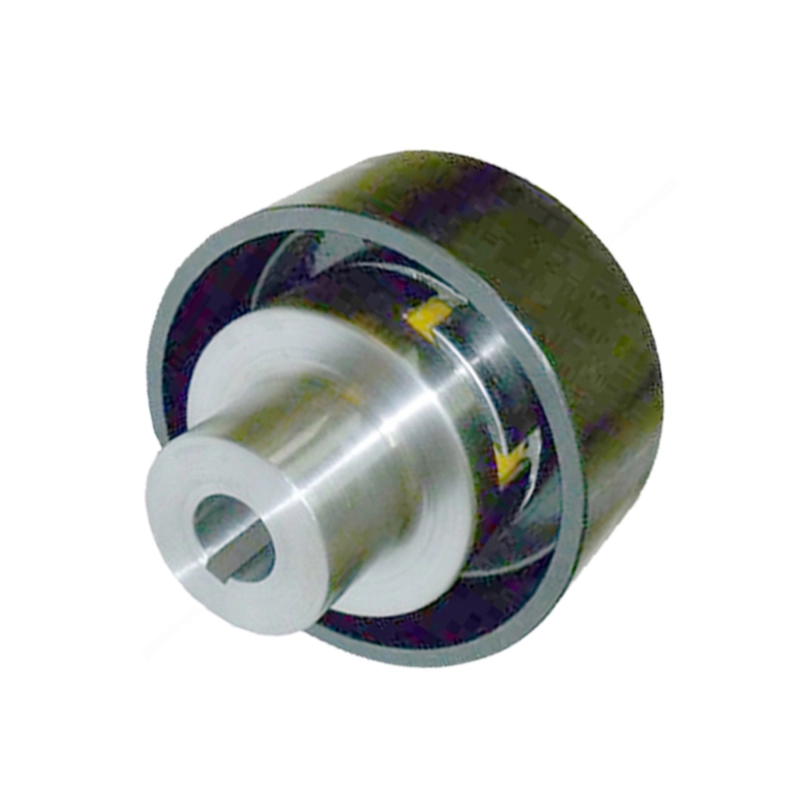 Brake — Drum
- Torque: 190–6,650 N·m
- Drum: Ø160–800 mm (integral)
- For shoe-type drum brake actuators
- Crane travel, winder, hoist drives
How to Select a Jaw Coupling
Step 1 — Calculate Design Torque
Apply the service factor K to account for shock, cyclic loads, and drive type before selecting a size. Never select on nameplate motor torque alone.
K = service factor | P = motor power (kW) | N = speed (rpm) | Tn = nominal torque of selected size
Step 2 — Service Factor Reference
| Load Character | K |
|---|---|
| Smooth / uniform (centrifugal pump, fan) | 1.25–1.50 |
| Moderate shock / cyclic (compressor, mixer) | 1.50–2.00 |
| IC engine, moderate shock | 2.00–2.50 |
| Heavy shock / frequent reversal | 2.50–3.00 |
Step 3 — Choose the Right Type
| Requirement | Recommended Type |
|---|---|
| General drive, easy axial access | A Type / LM–ML |
| Large bore (>Ø200 mm) | B Type |
| High misalignment or vibration isolation | S Type |
| Fixed shafts, no axial movement | LMS / MLS |
| Flange connection (A/B/C/D variants) | F Type |
| Single flange, in-situ spider access | SF Type |
| Double flange, access from either side | DF Type |
| Disc brake (caliper actuator) | P Type / MLP |
| Drum brake (shoe actuator) | Z Type / LMZ-I / LMZ-II |
Unsure which type suits your application? Send us your motor power, speed, and shaft diameters and we will recommend the correct size and type within 24 hours.
Polyurethane Spider Hardness Grades
The spider is the only wear element in a jaw coupling and the one variable that most affects performance. All grades operate across −35 °C to +80 °C and require no lubrication. Select based on torque capacity and vibration-damping priority.
Jaw Coupling Applications
Centrifugal and vertical turbine pump drives. No grease — no contamination risk in treatment plant environments.
High-speed fan and air-handling drives. Soft spider grade controls resonance on VFD-driven units.
Start-stop conveyor and form-fill-seal drives. Compact axial footprint suits gearbox-motor arrangements.
Crusher drives, slurry pumps, ball mill auxiliaries. B Type steel sleeve accommodates large shaft diameters.
P and Z Types integrate brake disc and drum directly. Braking surface serviceable without disturbing drive alignment.
Rolling mill auxiliaries, continuous caster and ladle crane drives where large shaft diameters and shock loads are standard.
Agitator and mixer drives. Electrically isolating, zero lubrication — suitable for ATEX and GMP environments.
Ship auxiliary drives, ship unloaders, and stacker-reclaimers. S Type dual elastomer tolerates hull-flexure misalignment.
Jaw Coupling FAQ
Need Help Selecting the Right Jaw Coupling?
Share your motor power, operating speed, shaft diameters, and application details — our engineering team will recommend the correct type, size, and spider grade and confirm availability within 24 hours.