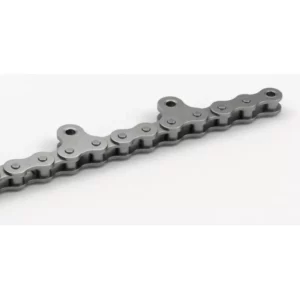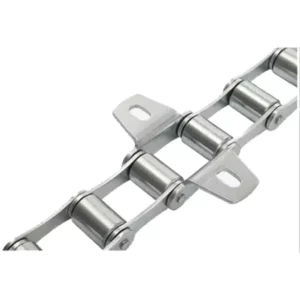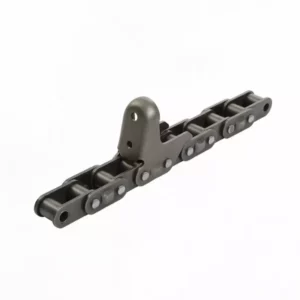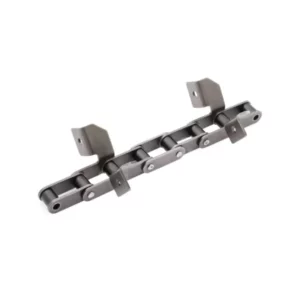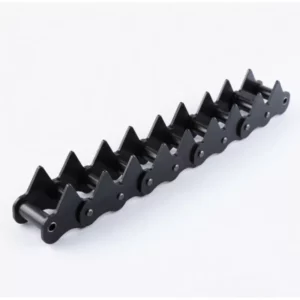
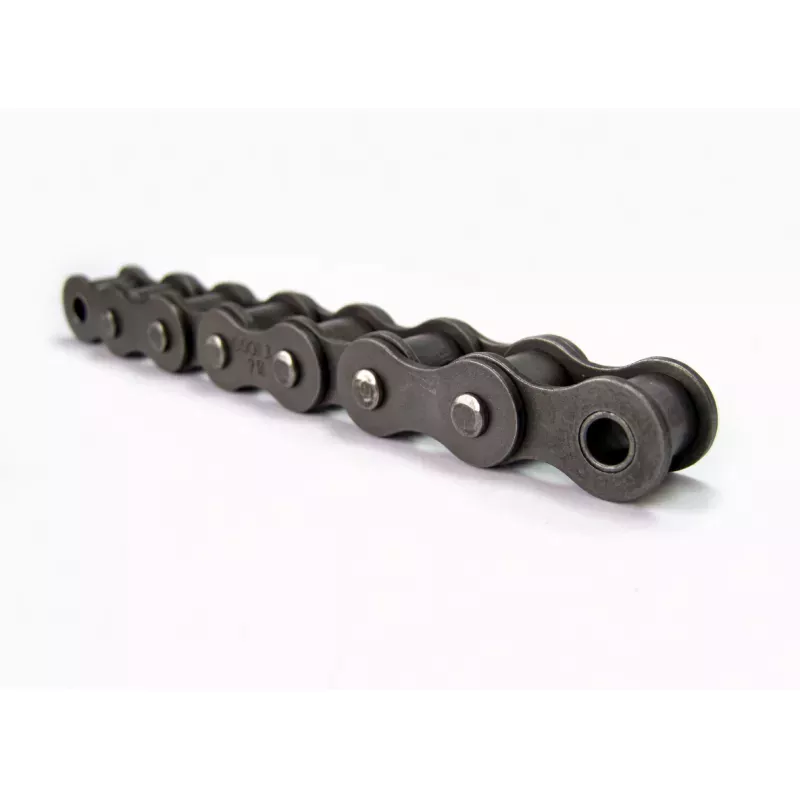
Tractor Chain & Rotavator Chains
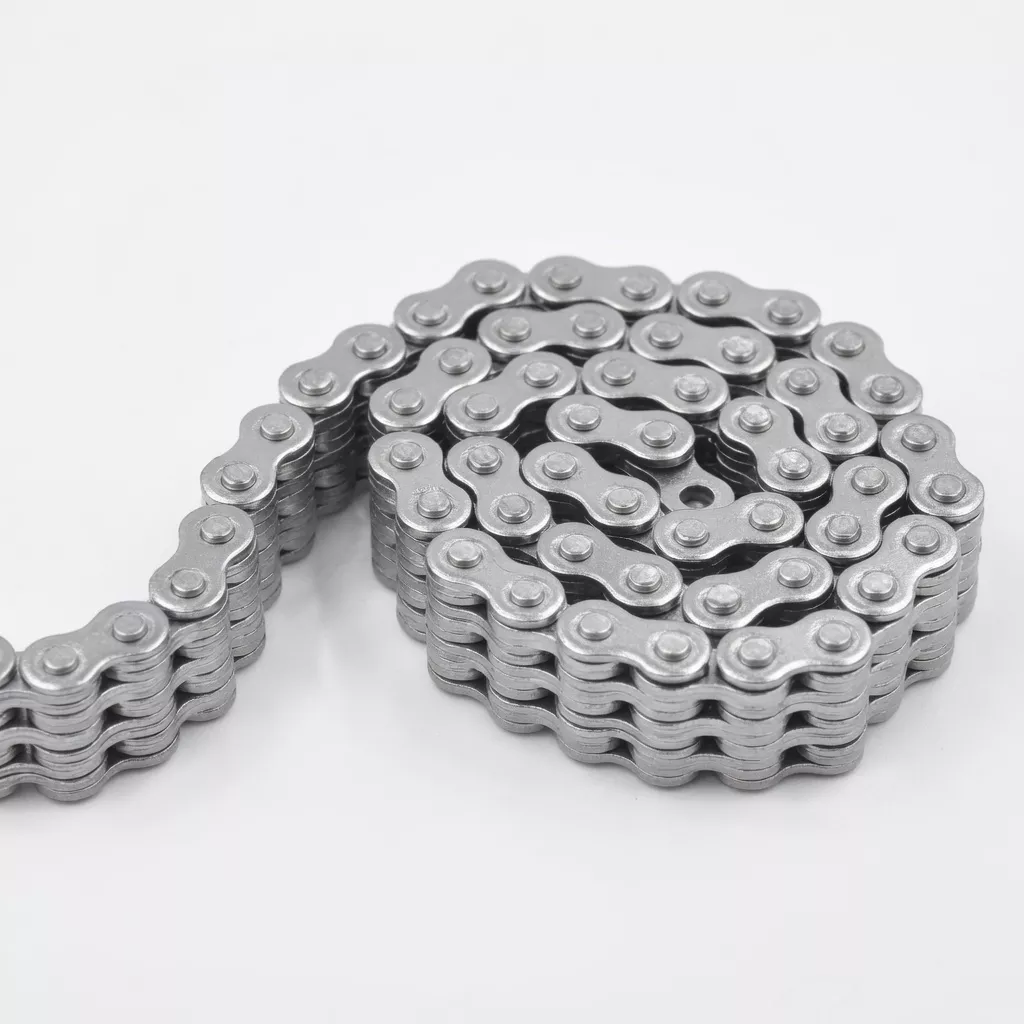
Precision-engineered tractor chains and rotavator chains built for Australia’s harshest farming conditions. Available in 08B-2, 12A-2, 12AH-2 and 16A-2 double-strand series — ISO 606 compliant, SGS certified, and compatible with leading OEM brands including John Deere, Case IH and New Holland. AEST business-hours technical support included.
MOQ: 10 pcs. Minimum order value USD 1,500; mixed orders and trial quantities welcome.
Tractor Chain & Rotavator Chains — Heavy-Duty Agricultural Drive Solutions for Australian Farming Operations
When it comes to keeping Australia's grain belts, cane fields, and mixed-farming operations running at full productivity, the drivetrain component most often overlooked — yet most critically stressed — is the agricultural roller chain. From the seasonal rush of wheat harvesting across the Darling Downs to the year-round demands of Queensland's sugarcane mills, a single worn or incorrectly specified tractor chain can cascade into costly unplanned downtime, lost yield, and expensive emergency callouts.
Australia Drive engineers and supplies a precision-manufactured range of tractor chains and rotavator chains engineered for the demanding conditions of Australian agriculture — from the red ironstone soils of Western Australia's wheatbelt to the humid sub-tropics of Far North Queensland. Our double-strand roller chains conform to ANSI/ISO standards and are built to deliver measurable, quantifiable performance advantages over generic aftermarket alternatives.
This page provides Australian farm operators, agricultural machinery OEM procurement teams, and independent service technicians with the complete technical reference they need to specify, source, and install the correct chain — first time, every time.
Technical Specifications — Double-Strand Roller Chains (08B-2 / 12A-2 / 12AH-2 / 16A-2)
The following dimensional and mechanical data has been verified against our production inspection records and conforms to ISO 606 (metric series) and ANSI B29.1 (inch series) standards. All chain models listed below are available ex-stock for Australian customers, with expedited dispatch from our Sydney and Brisbane distribution points.
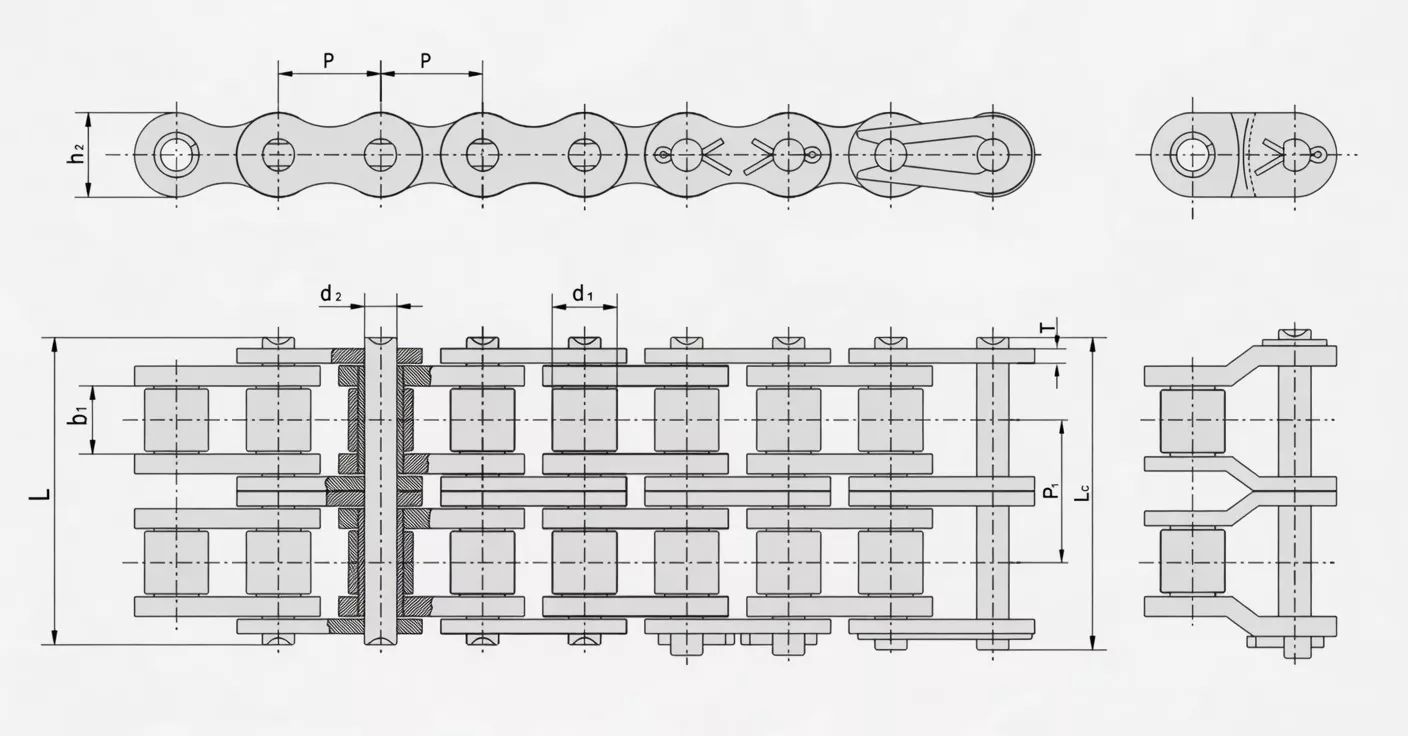
| Chain No. | Pitch P (mm) | Roller Dia. d₁ max (mm) | Inner Width b₁ min (mm) | Pin Dia. d₂ max (mm) | Pin Length L max (mm) | Pin Length Lc max (mm) | Inner Plate Depth h₂ max (mm) | Plate Thickness T (mm) | Transverse Pitch Pt (mm) | Ultimate Tensile Strength Q min (kN) | Avg. Tensile Strength Qo (kN) | Weight per Metre q (kg/m) |
|---|---|---|---|---|---|---|---|---|---|---|---|---|
| 08B-2 | 12.70 | 8.51 | 7.75 | 4.45 | 31.0 | 32.1 | 11.8 | 1.60 | 13.92 | 32.0 | 37.4 | 1.34 |
| 12A-2 | 19.05 | 11.91 | 12.57 | 5.94 | 48.8 | 50.3 | 18.0 | 2.42 | 22.78 | 63.6 | 83.2 | 2.92 |
| 12AH-2 | 19.05 | 11.91 | 12.57 | 5.94 | 55.3 | 57.1 | 18.0 | 3.25 | 26.11 | 63.6 | 84.5 | 3.71 |
| 16A-2 | 25.4 | 15.88 | 15.75 | 7.92 | 61.9 | 64.2 | 24.0 | 3.25 | 29.29 | 113.4 | 140.0 | 5.15 |
All dimensional values are measured at 20°C ambient temperature. Tensile strength figures represent minimum guaranteed values (Q min) and statistically averaged sample values (Qo). Tolerances comply with ISO 606:2015. Data verified by SGS third-party inspection.
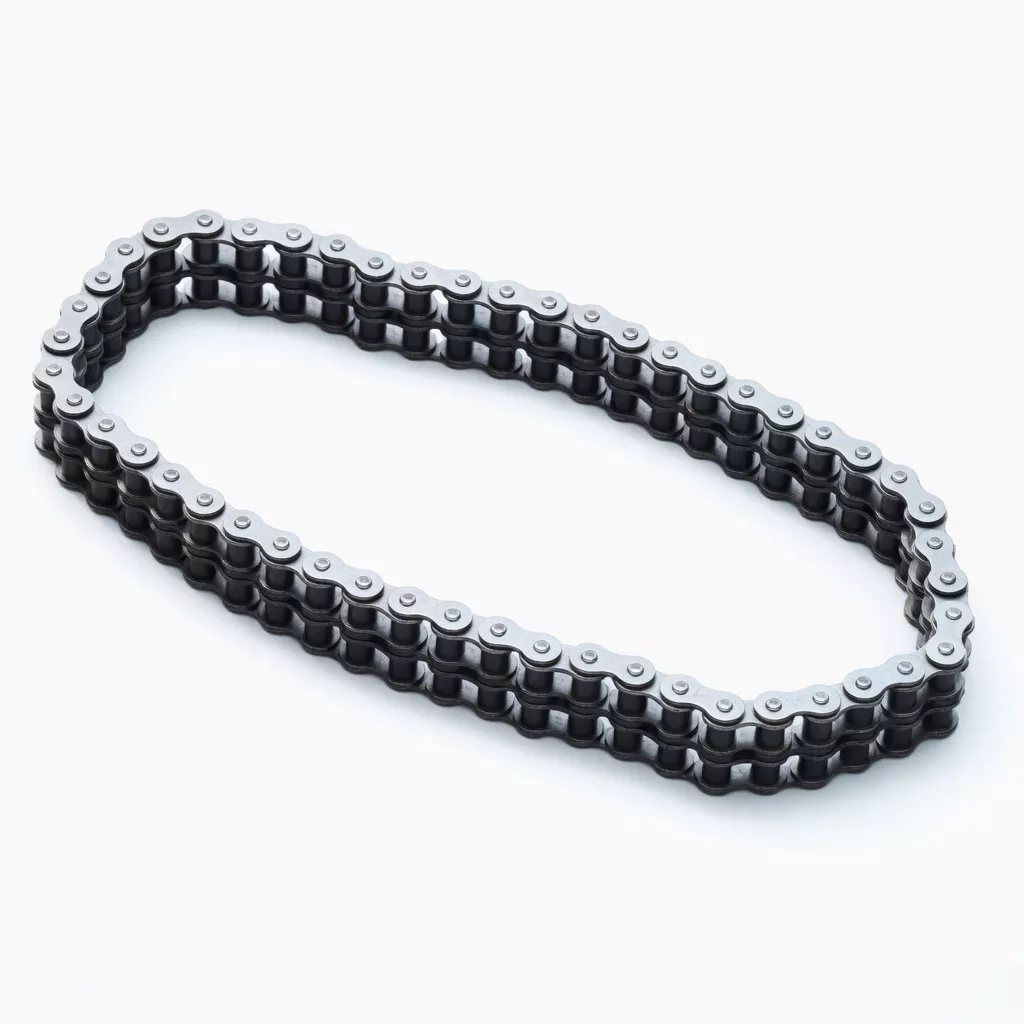
Application Guide — Where Tractor Chains & Rotavator Chains Are Used
Agricultural roller chains perform critical power-transmission duties across an extraordinarily broad spectrum of machinery. Unlike automotive or industrial chains, farm machinery chains must tolerate large shock loads, abrasive dust ingress, intermittent lubrication, wide temperature swings from -5°C overnight frosts to +45°C mid-summer peaks, and extended service intervals that are dictated by seasonal schedules rather than engineering ideals. Below is a detailed breakdown of each primary application and the specific mechanical demands placed on the chain in that context.
🌾 Hay Rakes & Hay Tedders
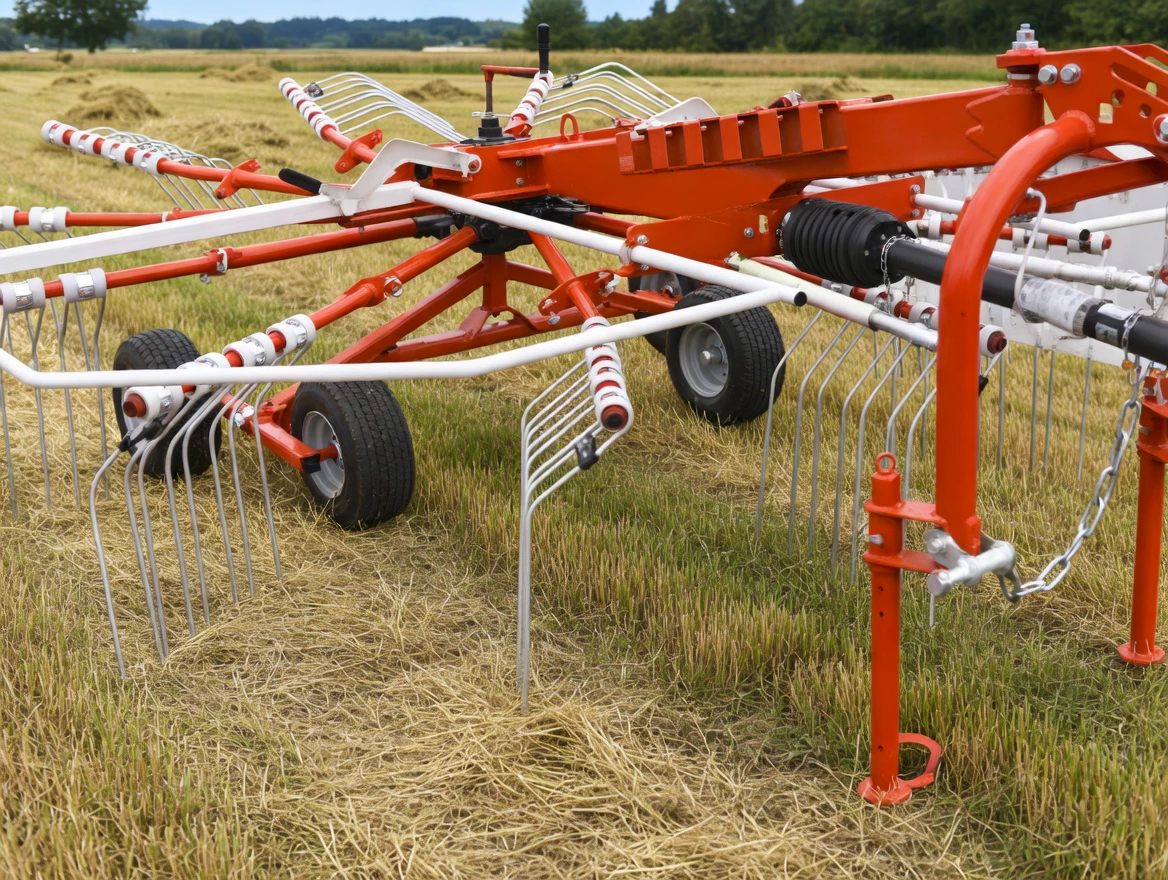
Hay rakes represent one of the highest-cycle applications for agricultural chains. Operating at relatively low speed but high continuous duty, the chain drives the rake wheel hubs or finger bar assemblies. In wheel rakes, the chain must absorb the intermittent shock each time a rake wheel drops into a windrow furrow or strikes an embedded stone. The 08B-2 double-strand chain at 12.70 mm pitch is ideally suited to the lighter-duty gearbox-to-rake-head drives found on smaller trailing rakes, while the 12A-2 at 19.05 mm pitch covers mid-frame parallel-bar rakes common in Australian mixed-farming operations. Key failure modes here are side-plate fatigue cracking from repeated lateral flexing and roller wear from soil-abrasive contamination — both addressed by our thicker-plate 12AH-2 heavy-duty variant.
🌿 Rotavators & Power Tillers (Rotavator Chains)
The term "rotavator chain" most specifically refers to the drive chains used inside rotary tillers (rotavators) to transfer PTO power from the central gearbox to the blade shaft rotor. This is arguably the most punishing chain application in Australian agriculture. During soil inversion work — particularly in heavy clay soils common in the Riverina, the Victorian mallee, and Queensland's Darling Downs — the rotor blade shaft experiences sudden jerk loads each time a tine encounters a buried rock, root ball, or compacted hardpan. These shock loads can reach 4 to 6 times the steady-state torque value within milliseconds.
For this reason, the 12AH-2 (heavy-series at 19.05 mm pitch with 3.25 mm plate thickness) is the recommended specification for most rotavator drive applications in Australian conditions. Its plate thickness of 3.25 mm — compared to 2.42 mm on the standard 12A-2 — delivers approximately 34% greater plate cross-sectional area, directly translating to improved fatigue life under repeated shock loading. The 16A-2 variant at 25.4 mm pitch and 113.4 kN minimum tensile strength covers heavy-frame commercial rotavators on 100+ hp tractors.
🚜 Wheeled Tractors — PTO Auxiliary Drives
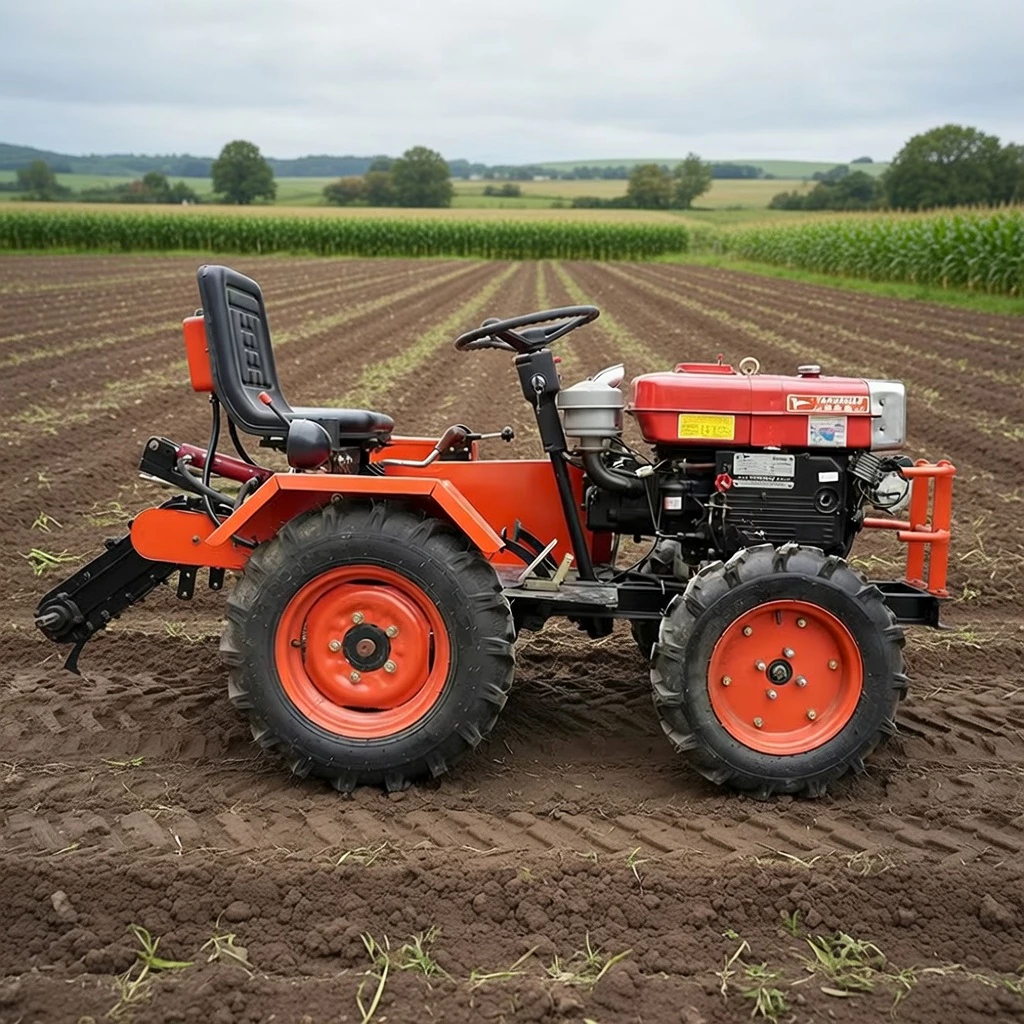
Many wheeled tractor configurations use internal roller chains to drive secondary systems such as hydraulic pump drives, PTO gearbox countershafts, and header-reel slow-speed drives on front-mounted implements. In these applications, the chain typically runs in a sealed or semi-sealed environment with some form of splash or wick lubrication. The 16A-2 chain at 25.4 mm pitch with its ultimate tensile strength of 113.4 kN minimum is the standard specification for high-torque countershaft applications on tractors in the 80–160 hp class widely used across Australian operations.
🌾 Hay Balers & Round Balers
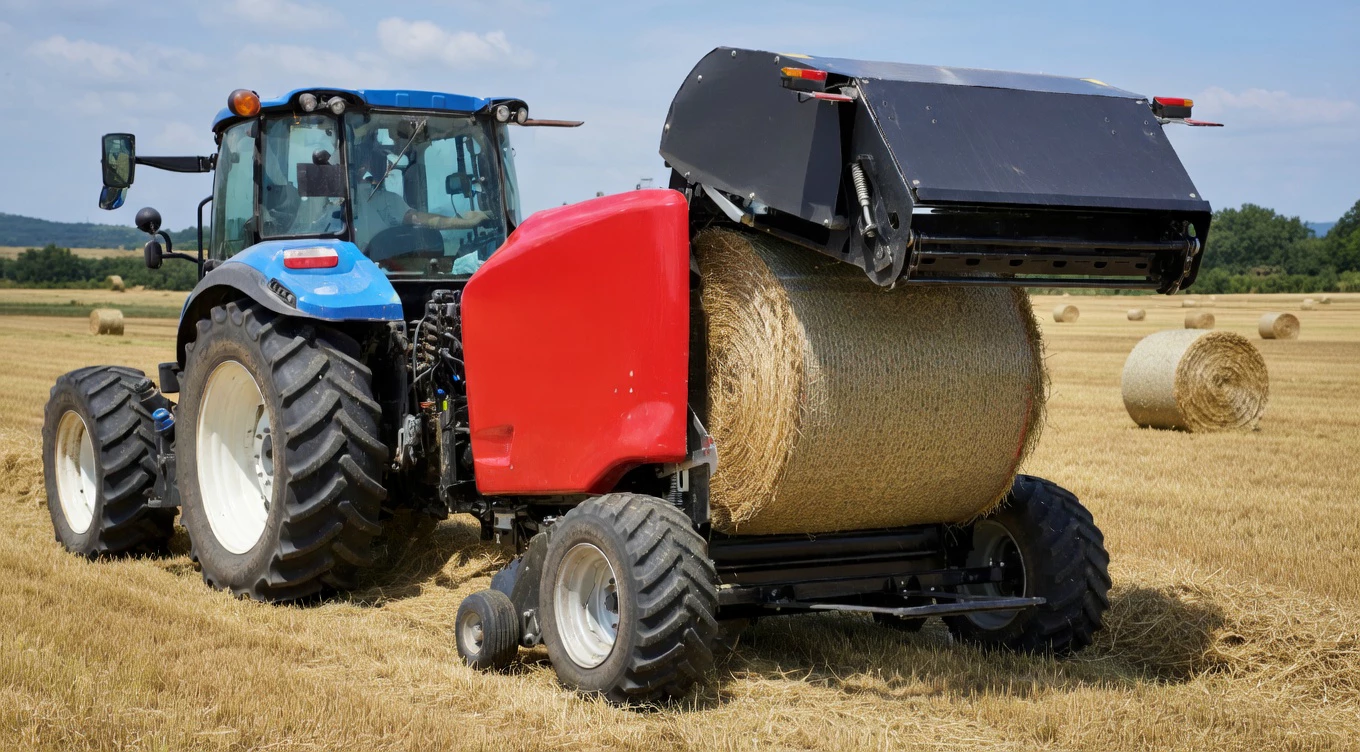
Hay balers — both conventional square balers and large-format round balers — contain multiple chain drives running simultaneously, including plunger drives, knotter drives, feed-fork drives, and bale-ejector chains. The knotter drive chain experiences particularly high cyclic loading as the knotter mechanism engages and disengages at high speed during each tie cycle. The 12A-2 double-strand chain is specified for most mid-frame baler drive circuits, with the heavy-series 12AH-2 recommended for plunger drive applications where shock loading from crop slugs entering the bale chamber can momentarily spike chain tension to 2–3× rated working load.
🌾 Combine Harvesters & Rice Harvesters
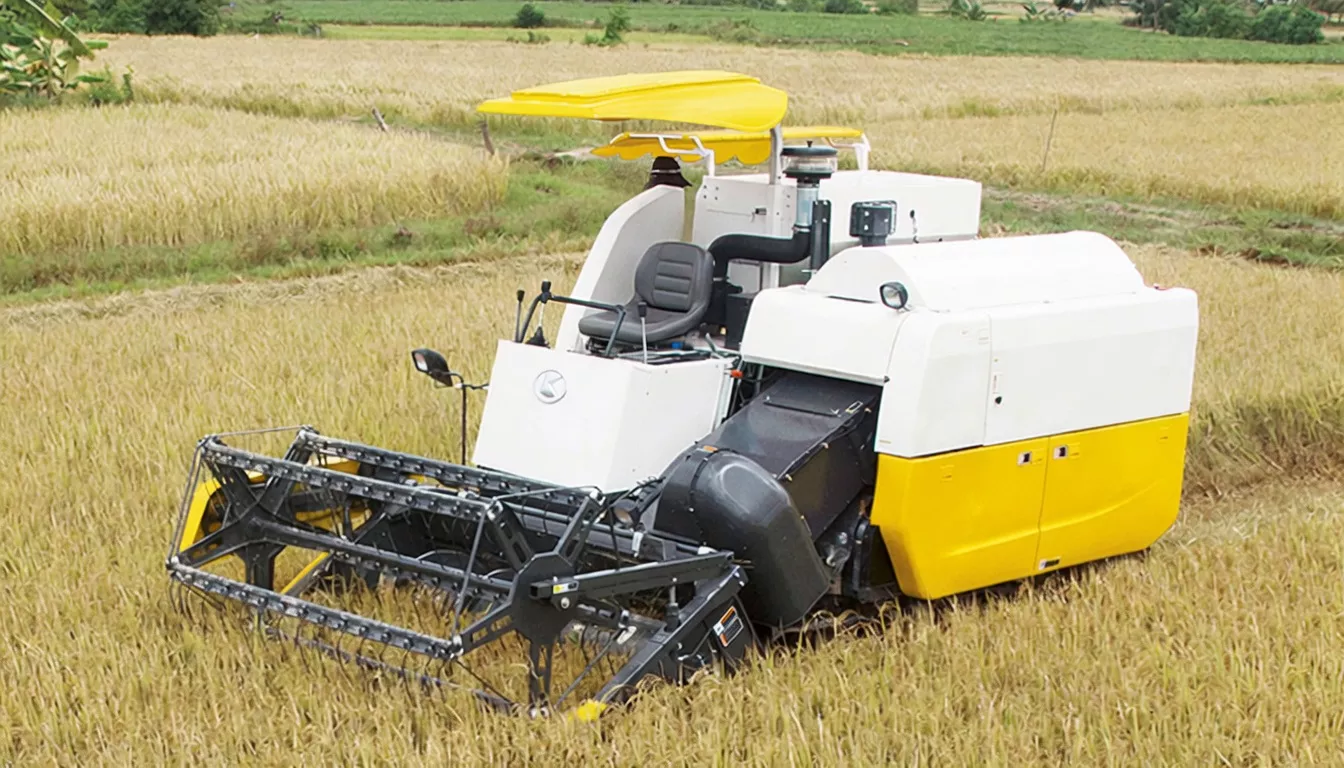
Australian rice production in the Murrumbidgee and Murray irrigation regions, as well as wet-season tropical rice in the Northern Territory, relies on harvester chains across multiple functional zones: header elevator chains, grain tank unloading auger drives, straw walker eccentric drives, and fan/concave adjustment chains. The humid, high-dust, high-throughput conditions of harvest season demand chains that resist both abrasive wear and corrosion. Our heat-treated, shot-peened pins and pre-stressed side plates on the 12A-2 and 16A-2 series are specifically designed to withstand this combined attack.
🌳 Tree Shakers & Orchard Harvesters
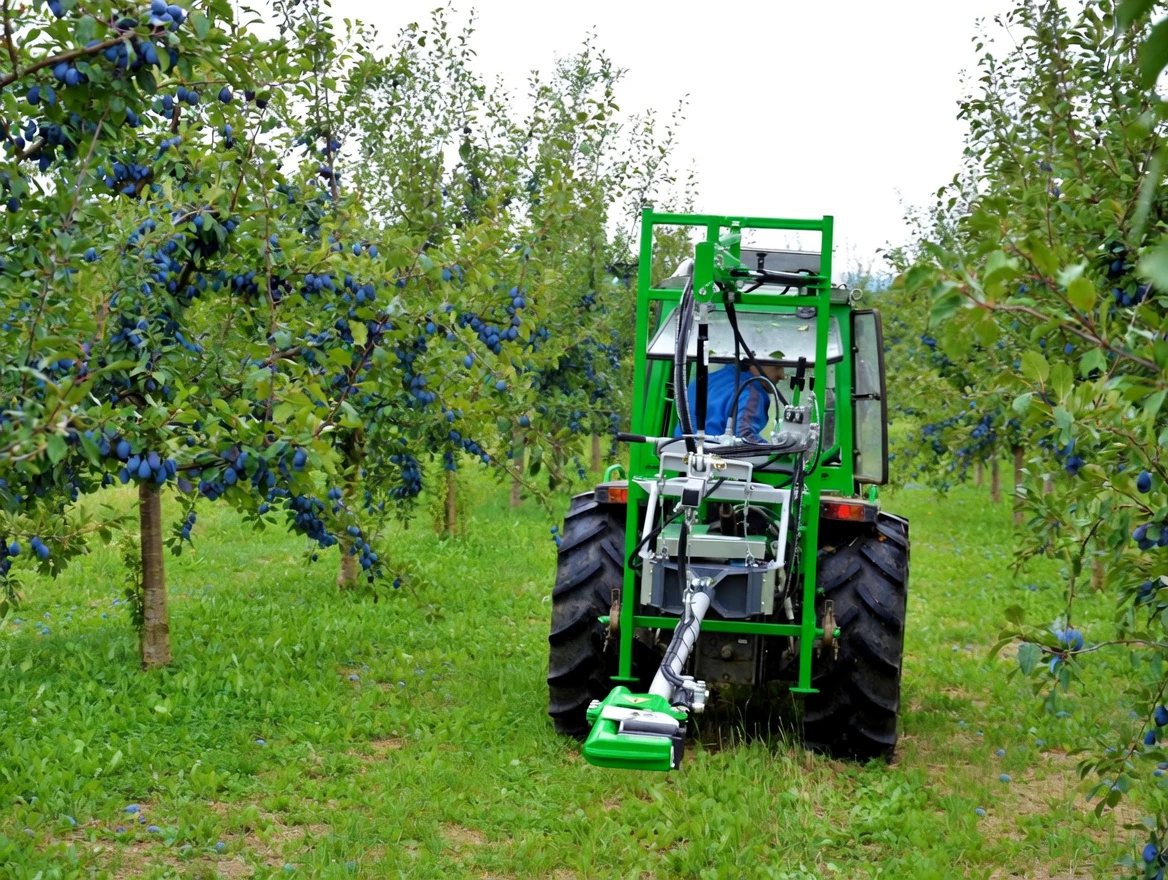
The Australian almond, olive, and macadamia industries have grown significantly over the past decade, driving increased demand for orchard-harvester components. Tree shakers use high-frequency vibration mechanisms driven by eccentric mass assemblies, where the drive chain must endure constant reversing-load cycles at elevated RPMs. The combination of centrifugal force and torsional vibration creates a distinctive wear pattern on the chain's pin-bushing interface. Our chains use case-hardened bushings (surface hardness HRC 56–64) to specifically address this wear mode.
🥦 Vegetable Seeders & Transplanting Machinery
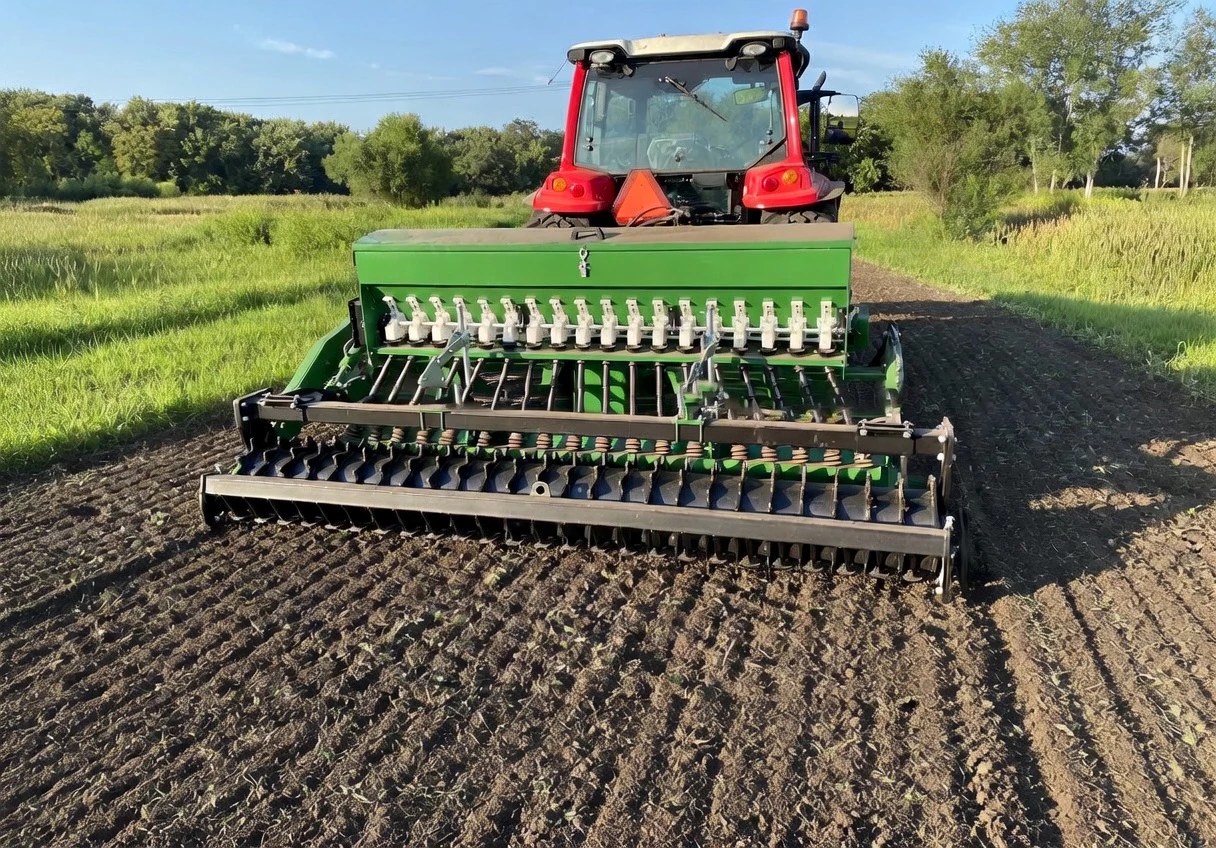
Precision vegetable seeders and transplanting units use ground-drive chains — typically the 08B-2 series — to maintain an exact ratio between forward travel speed and seed-metering disc rotation. Any chain stretch in this application directly degrades seeding accuracy, causing variable plant spacing and uneven emergence. Our 08B-2 chains are manufactured to tighter-than-standard pitch tolerance (±0.05 mm per link) specifically to support these ground-drive metering applications, helping growers in the Swan Coastal Plain, the Adelaide Hills, and Queensland's Lockyer Valley achieve consistent seed placement.
🌿 Rotary Mowers & Flail Mulchers
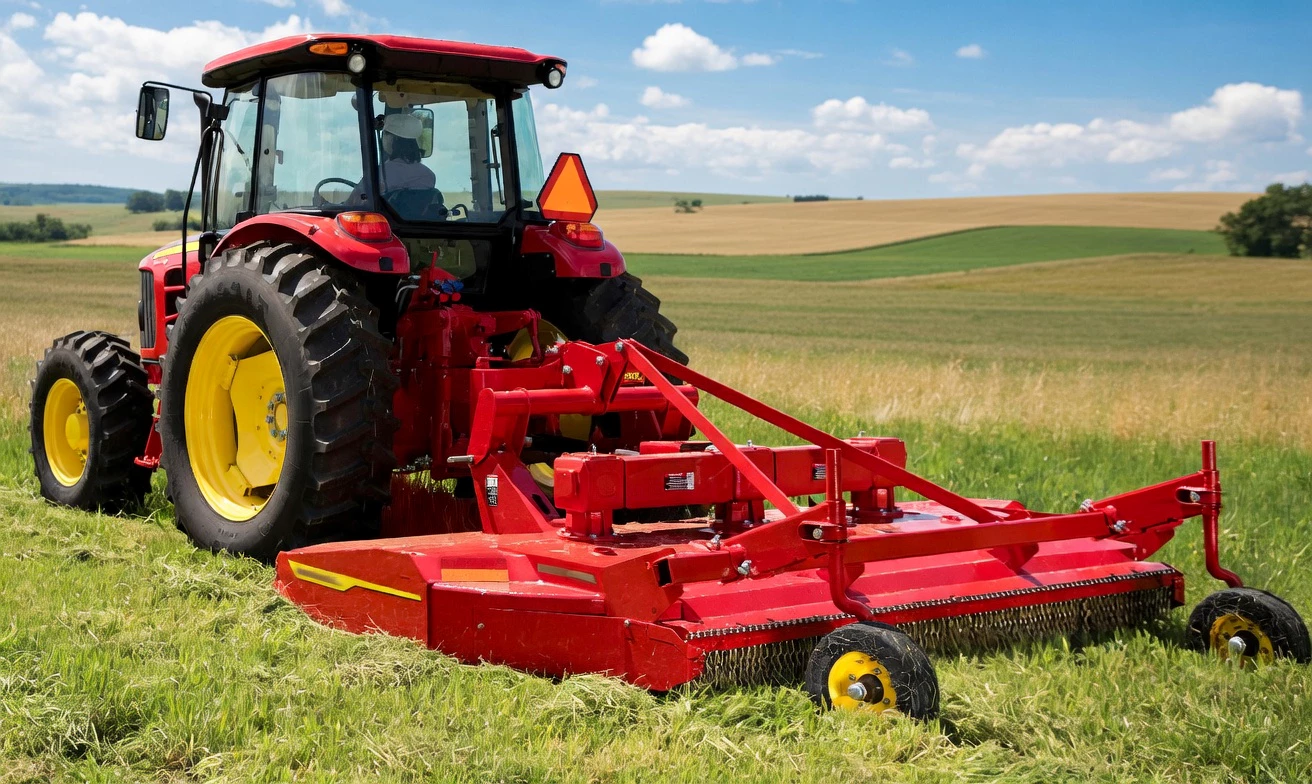
Contractor-grade rotary mowers and flail mulchers used for pasture management, roadsides, and conservation-tillage residue incorporation rely on roller chains to transmit power from the PTO shaft gearbox to the individual blade-shaft modules. Larger multi-deck mowers may have 6–8 chain drives operating simultaneously. In these machines, the chain must handle very high steady-state torque from cutting resistance combined with instantaneous overload spikes when blades strike rocks or heavy woody material. The 12AH-2 heavy-plate series with its 84.5 kN average tensile strength is specified for primary drive circuits on commercial mowing contractors' rigs.
Australian Market Suitability — Environment, Compliance & OEM Compatibility
Specifying an agricultural chain for Australian conditions is not simply a matter of matching pitch numbers. Australia's agricultural operating environment imposes specific requirements that distinguish it from European or North American markets — and sourcing chains without understanding these factors leads to premature failure and wasted expenditure.
🌡️ Environmental Operating Conditions
- Extreme Heat: Ambient temperatures in the WA and SA grain belts regularly reach 42–47°C during the November–January harvest window. At these temperatures, lubricant viscosity drops sharply, reducing the hydrodynamic film on pin-bushing interfaces. Our chains use high-viscosity-index grease pre-packed between pins and bushings at the manufacturing stage to maintain adequate film thickness through the full Australian temperature range.
- Abrasive Soils: Australia's dominant soil types — red-brown earths, cracking clays, and siliceous sands — generate airborne abrasive particles that accelerate roller-on-sprocket and bushing-on-pin wear rates compared to European agricultural environments. We address this through harder-than-standard roller surface treatment (HRC 40–48 surface hardness vs. the ISO minimum of HRC 36).
- Wet-Season Humidity: Northern Queensland, the Kimberley, and Top End farming operations expose chains to prolonged high humidity and occasional immersion. Our chains receive a proprietary anti-corrosion treatment at final inspection, and stainless-steel options are available on request for applications near coastal areas or in irrigated systems where agrochemical spray contact is unavoidable.
- UV Exposure: Extended outdoor storage between seasons is common on Australian farms. Standard heat-shrink packaging protects chains from direct UV degradation of any plastic components and prevents moisture ingress during pre-installation storage.
📋 Standards Compliance
| Standard | Applicable Chain Series | Compliance Status |
|---|---|---|
| ISO 606:2015 (Short-pitch precision roller chains) | 08B-2, 12A-2, 12AH-2, 16A-2 | ✅ Full compliance — SGS verified |
| ANSI B29.1 (Transmission roller chains) | 12A-2 (= ANSI #40-2), 16A-2 (= ANSI #50-2) | ✅ Dual-standard certified |
| ISO 9001:2015 (Quality management system) | All manufacturing operations | ✅ Certificate held — current |
| RoHS / REACH (Material compliance) | All chain models | ✅ No restricted substances |
🔧 OEM Brand Compatibility — How to Confirm Your Correct Pitch
The following OEM brand compatibility reference is provided purely as a selection guide to help Australian farm operators cross-reference their existing machinery chain requirements. All brand names listed are the property of their respective owners; this reference does not imply any commercial relationship, endorsement, or trademark association.
| OEM Brand | Common Machine Types | Commonly Used Chain Series | Verification Step |
|---|---|---|---|
| John Deere | Combine harvesters (S series, T series), hay equipment (458 baler, 730 hay rake), row-crop planters | 12A-2 (primary drives), 08B-2 (metering/ground drives) | Measure pitch across 10 links ÷ 10. Cross-reference John Deere Parts ADVISOR part number prefix "H" (heavy-duty agricultural chain). |
| Case IH | Axial-Flow combines, Early Riser planters, Maxxum/Puma tractors, Austoft sugarcane harvesters | 16A-2 (main drive circuits), 12AH-2 (elevator/feeder chains) | Check Case IH OEM part catalogue for chain designation "RC" prefix. Verify inner width against sprocket tooth width. |
| New Holland | CR/CX combine range, BR/RB round balers, Bourgoin and Kobelco sugarcane equipment | 12A-2 and 16A-2 (main drive), 08B-2 (slow-speed metering) | New Holland designates chains by pitch in inches in service manuals — 3/4" = 19.05 mm (12A), 1" = 25.4 mm (16A). |
| MacDon | Draper headers (FD series, D series), R series windrowers | 08B-2 (draper belt drive), 12A-2 (cutterbar drives) | MacDon uses Imperial chain designations in its parts books. Confirm via MacDon D series service manual, Section 5 (Drive Train). |
| Horwood Bagshaw | Airseeder tool bars, disc seeders, cultivation equipment (popular across SA/WA dryland cropping zones) | 08B-2 (seed metering drives), 12A-2 (primary gearbox drive) | Horwood Bagshaw HB parts prefix. Inner width (b₁) must be confirmed as the HB seeder uses narrower-than-typical sprocket teeth — 7.75 mm inner width of 08B-2 is the correct match. |
| Massey Ferguson / AGCO | MF 7 & 8 series tractors, Fendt combine harvesters, Challenger crawler tractors | 16A-2 (countershaft drives), 12AH-2 (PTO-auxiliary circuits) | AGCO uses ISO metric chain numbering directly. Match by pitch and strand count from AGCO Service Parts catalogue. |
How to Measure Pitch for Cross-Reference: Use a digital calliper to measure the centre-to-centre distance across exactly 10 consecutive chain links. Divide the result by 10 to obtain pitch per link in millimetres. Match the result to the closest ISO pitch in the specification table above. If the value falls between standard pitches, your chain may be a non-standard specialty item — contact our technical team at AEST 9:00–17:00 for assistance.
Technical Advantages — Measurable, Verifiable Performance Differences
⚙️ Shot-Peened & Pre-Stressed Side Plates
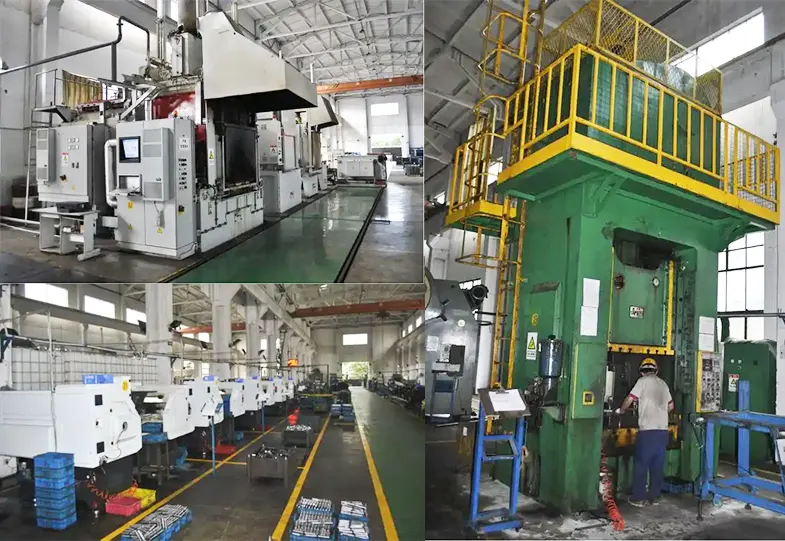
All side plates undergo shot-peening at our factory before assembly. This process induces a compressive residual stress layer of 0.15–0.30 mm depth on both plate faces, raising the fatigue limit of the side plate by 20–35% compared to an un-peened plate of the same material grade. In agricultural applications where repeated shock loading is the primary failure driver, this manufacturing step is the single highest-return investment against premature failure — and it is verified by Vickers hardness mapping on each production batch.
🔩 Through-Hardened Pins (HRC 58–64 Core)
Our chain pins are manufactured from alloy steel bar stock and through-hardened to achieve HRC 58–64 at the core — not just the surface. This contrasts with surface-case-hardened-only pins where wear deeper than the case thickness exposes a soft core, leading to rapid catastrophic elongation. Through-hardening is verified by cross-section hardness testing on 5 randomly selected pins per 5,000-link production batch, with results recorded in the batch quality certificate available to customers on request.
🏭 50,000 Links Daily Production Capacity
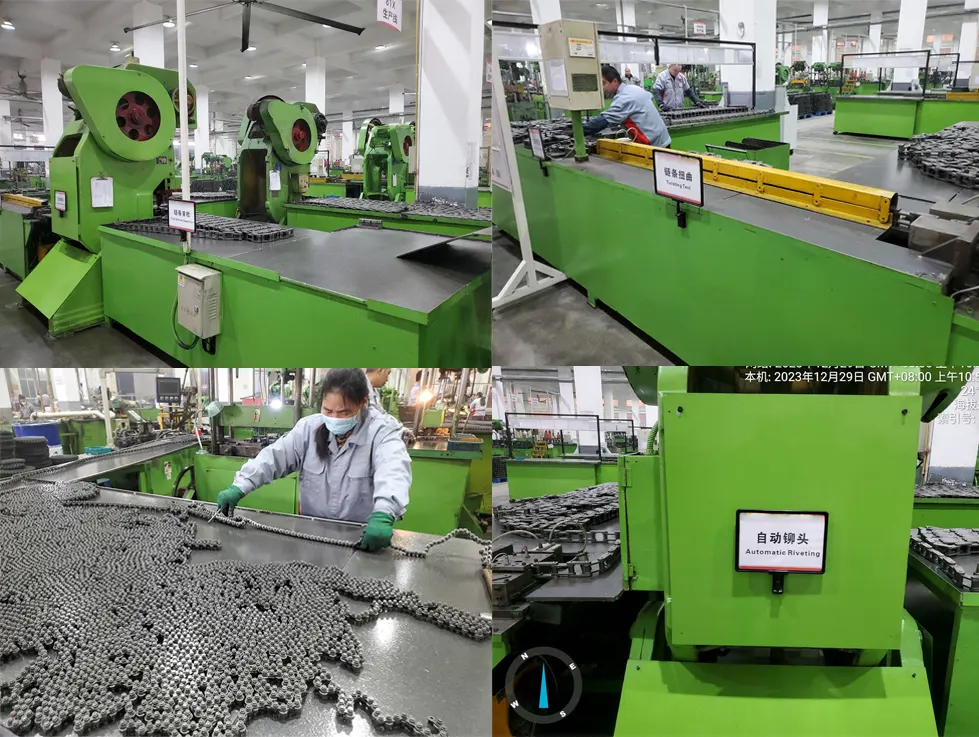
Our dedicated agricultural chain production lines run at a verified daily output of 50,000 links, enabling us to fulfil large-volume OEM orders without compromising lead times during the pre-season period (July–September) when Australian agri-machinery distributors place their bulk orders. This capacity is backed by a raw material buffer inventory of minimum 90 days' supply, insulating customers from global steel supply disruptions.
📐 OEM/ODM Customisation
We support full OEM and ODM customisation programs: non-standard pitch chains (e.g. 15.875 mm or 38.10 mm), extended-pin chains for attachment mounting, bent-link chains for conveying applications, zinc-plated or nickel-plated surface finishes for corrosion protection, and custom packaging with private labelling. Minimum tooling commitment applies — contact our technical team for a project-specific quotation.
🛡️ ISO 9001:2015 & SGS Third-Party Certification
Our quality management system is certified to ISO 9001:2015 by an accredited certification body. In addition, we engage SGS — the world's leading inspection and verification organisation — to conduct random lot inspection of tensile strength, dimensional compliance, and hardness on chains destined for export markets including Australia. SGS inspection reports can be provided with any shipment on request, supporting our customers' incoming goods quality assurance requirements.
🕘 AEST-Aligned Technical Support
We maintain a dedicated technical support team available Monday–Friday, AEST 09:00–17:00, for Australian customers. This means a WA farmer calling at 8:00 AM Perth time (AWST) will reach our team at the AEST-equivalent of 10:00 AM — well within business hours. Support covers dimensional cross-referencing, tensile strength clarification, installation guidance, and field failure analysis assistance.
Customer Case Studies — Real-World Performance Verification
The following field case studies represent documented customer feedback and application outcomes from across Australia and global agricultural markets. Each reflects a genuine application scenario supported by product performance data from our technical records.
🌍 Australia — Queensland (Darling Downs) | Large-Scale Grain Farm Owner-Operator
Application: Replacement of all drive chains across two John Deere S680 combine harvesters ahead of the 2024 wheat harvest season. Previous supplier chains were failing within the first 250 engine hours of the season — well short of the full-season target of 400+ hours without replacement.
Chain Specified: 12A-2 double-strand (19.05 mm pitch) for feeder house and straw walker drives; 16A-2 for main engine countershaft drive.
"We got through the entire harvest — 6 weeks, two machines, mixed crops including canola and chickpeas as well as wheat — with zero chain-related breakdowns. That's the first time in four years we've done a full harvest without at least one unplanned field stop. The chains were still within wear tolerance at end of season."
⭐⭐⭐⭐⭐ — Owner-operator, approximately 4,200 ha dryland cropping, Darling Downs QLD
🌍 Australia — Western Australia (Wheatbelt) | Agricultural Machinery Dealer Service Manager
Application: Annual pre-season chain service stock for a John Deere and Case IH dealership covering customers across the WA Central Wheatbelt. The dealer needed a single-source chain supplier who could provide both metric and imperial cross-reference chains with SGS documentation for their insurance and compliance requirements.
Chain Specified: Mixed pallet of 08B-2, 12A-2, 12AH-2, and 16A-2 across multiple chain lengths; custom lengths cut and packaged per model-specific job lists.
"Having SGS-certified chains with traceable batch documentation took our quality management headache completely away. We can hand a certificate to any customer or auditor and demonstrate exactly what they've got in their machine. Our technicians have also been impressed — the dimensional accuracy is noticeably tighter, which means our press-fit connecting links go on cleanly without forcing."
⭐⭐⭐⭐⭐ — Service Manager, licensed John Deere / Case IH dealer, WA Wheatbelt
🌍 United States — Iowa | OEM Agricultural Machinery Manufacturer
Application: A mid-tier row-crop planter manufacturer in Iowa integrated our 08B-2 double-strand chains into their new generation of precision seed-metering drives. The tight pitch tolerance requirement (±0.05 mm) was non-negotiable — their planting accuracy specification demanded seeding variance of less than 3% at 10 km/h forward speed.
Outcome: After a 12-month, 3-season field evaluation across 8 test units, the manufacturer confirmed that seeding accuracy using our chains consistently beat the 3% variance specification at all tested forward speeds from 7 to 14 km/h.
"The pitch consistency across a full chain length was what differentiated this supplier from the three alternatives we tested. Cumulative pitch error over 50 links was within 2 mm — better than any other sample we measured. For precision metering this matters enormously."
⭐⭐⭐⭐⭐ — Engineering Director, OEM planter manufacturer, Iowa USA
🌍 Spain — Andalusia | Olive Harvesting Cooperative
Application: A cooperative managing over 12,000 hectares of intensive olive groves near Jaén sourced 12AH-2 heavy-series chains for their fleet of Colossus and Oxbo tree-shaker units. Previous chain failures during the October–December harvest peak had caused costly downtime, with average machine availability dropping to 78% due to chain-related stoppages.
Outcome: After switching to 12AH-2 with the heavier 3.25 mm plates, the cooperative recorded a reduction in chain-related stoppages of 63% season-on-season, with machine availability improving to 91% across the six-week harvest window.
"The heavier plate version was not significantly more expensive but the reduction in breakdowns in the middle of harvest — when every day of machine time is critical — made the cost difference irrelevant. We have standardised on this chain across all our shaker units."
⭐⭐⭐⭐⭐ — Fleet Maintenance Manager, olive harvesting cooperative, Jaén, Spain
🌍 Canada — Saskatchewan | Rotavator Manufacturer (OEM Program)
Application: A Canadian rotavator brand seeking to improve warranty performance on their heavy-duty commercial rotavator range — primarily sold into Canadian prairie and Australian dryland farming markets — engaged our OEM program for custom 12AH-2 chains with extended inner width dimensions to accommodate their proprietary wider-track blade shaft sprockets.
Customisation: Inner width modified from standard 12.57 mm to 14.20 mm to accommodate the OEM's sprocket profile. Custom private-label packaging. SGS pre-shipment inspection on every production lot.
"The ability to get a custom inner width without a minimum order that's completely impractical for our volumes, combined with private labelling and documented SGS inspection, made this an easy decision. We've reduced warranty chain-related claims by over 40% in two seasons since the change."
⭐⭐⭐⭐⭐ — Purchasing Manager, rotavator OEM manufacturer, Saskatchewan, Canada
🔗 Related Products — Complete Your Drive System
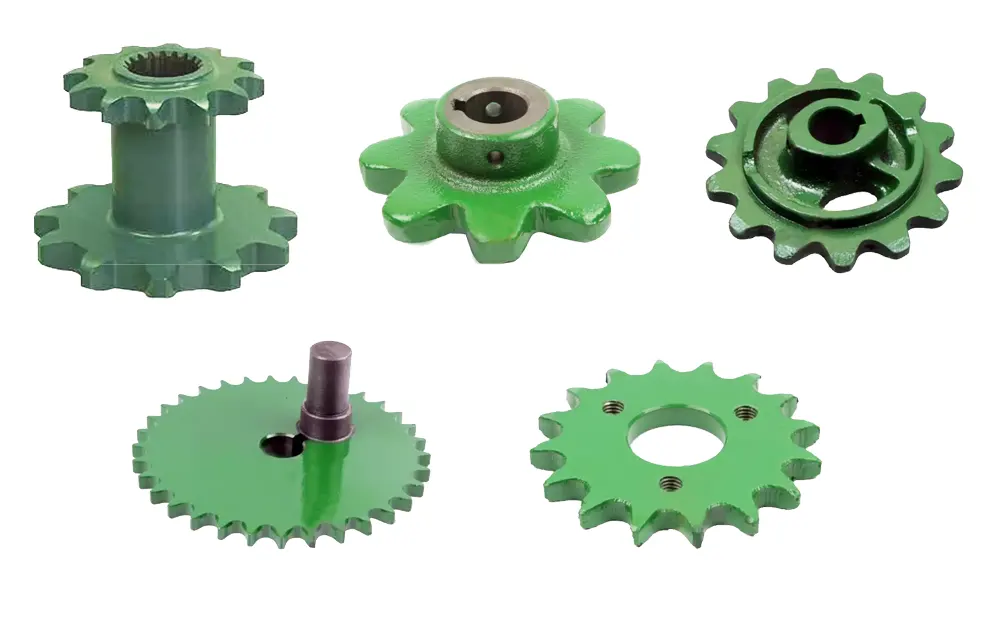
🔩 Agricultural Sprockets — The Essential Chain Partner
A chain is only as dependable as the sprockets it engages. Worn, incorrectly profiled, or mismatched sprockets accelerate chain wear dramatically — even a new chain will wear at 3–4× the normal rate if run on a sprocket that has experienced hook-tooth wear, where the tooth flanks have deformed asymmetrically due to excessive chain elongation on the previous chain set.
Our agricultural sprockets are manufactured from medium-carbon steel with induction-hardened tooth flanks (HRC 45–55) to match the hardness profile of our chain rollers, ensuring an optimised wear pairing. Sprockets are available in a comprehensive range of pitch diameters, tooth counts (from 9T to 60T+), and bore configurations — plain bore, finished bore with keyway, and taper-lock hub options to suit Australian OEM and aftermarket fitment requirements.
We recommend replacing sprockets whenever chain elongation exceeds 2% of nominal pitch length. Running new chains on worn sprockets is the single most common cause of premature chain failure on Australian farms — and it is entirely preventable by simultaneous chain and sprocket replacement.
Frequently Asked Questions — Agricultural Tractor & Rotavator Chains
Ready to Keep Your Machinery Running — Season After Season?
Whether you need a single replacement chain before harvest, a full-season pre-order for your dealer workshop, or a long-term OEM supply agreement — our Australian-market technical team is ready to help you specify the right chain with absolute confidence.
📞 Technical support available AEST 09:00–18:00, Monday–Friday. | ✉️ We respond within 24 business hours.
Precision-engineered tractor chains and rotavator chains built for Australia’s harshest farming conditions. Available in 08B-2, 12A-2, 12AH-2 and 16A-2 double-strand series — ISO 606 compliant, SGS certified, and compatible with leading OEM brands including John Deere, Case IH and New Holland. AEST business-hours technical support included.
MOQ: 10 pcs. Minimum order value USD 1,500; mixed orders and trial quantities welcome.